
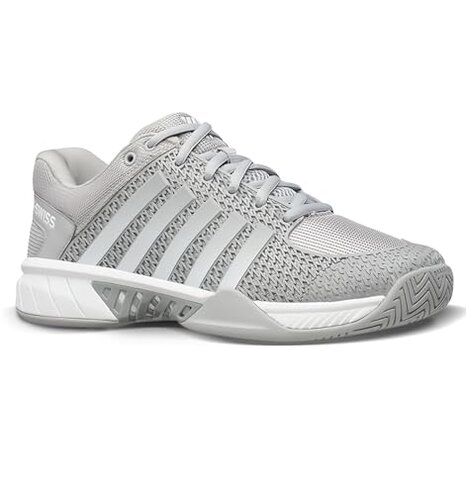
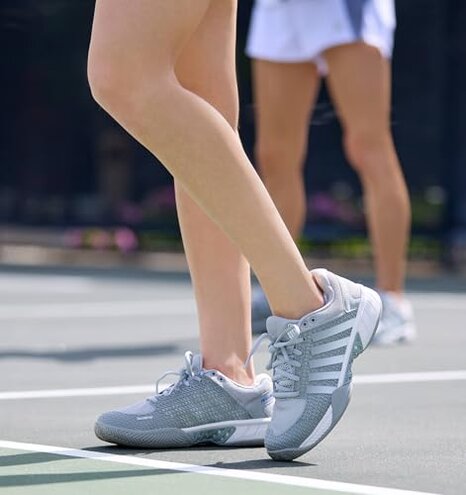
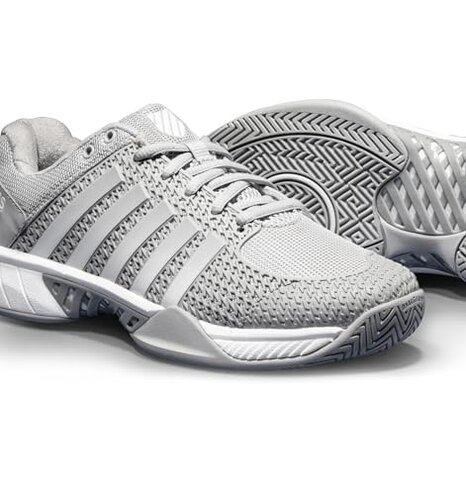
Product evaluated: K-Swiss Women's Express Light Pickleball Shoe, Highrise/White, 9 M
Related Videos For You
We Tested Pickleball Shoes Against the Best!
The most underrated court shoe on the market! #mizuno #tennis #pickleball
Data basis: This report uses dozens of buyer comments collected from written feedback and video-style product impressions from 2023 to 2026. Most feedback came from written reviews, with added support from visual wear-and-fit discussions, so the strongest signals center on sizing, break-in comfort, and how the shoe feels during actual court movement.
| Buyer outcome | This shoe | Typical mid-range alternative |
|---|---|---|
| First wear comfort | Riskier break-in period and more adjustment than many buyers expect. | Usually easier to wear right away with less adaptation time. |
| Fit confidence | Less predictable, especially if coming from running shoes or roomy sneakers. | More forgiving for average-width feet in casual try-on. |
| Lateral stability | Better focus on side-to-side court movement. | More balanced comfort and support, but often less locked-in. |
| Long session comfort | Higher-than-normal risk of feeling stiff or tiring before full adjustment. | More typical all-session comfort for recreational play. |
| Regret trigger | Buying for instant comfort and discovering it feels restrictive in early use. | Usually regret comes later, not in the first few wears. |
Why do these feel wrong right out of the box?
The main regret starts early. This appears to be the primary issue, because the product itself warns that the fit may take time to adjust to if you are used to sneakers or neutral athletic shoes.
During first wear, that adjustment period can feel more disruptive than expected for this category. Most mid-range court shoes need some break-in, but this hidden requirement is less forgiving because many shoppers expect simple comfort on day one.
- Pattern: Fit adjustment appears repeatedly in buyer feedback and is directly supported by the stated fit warning.
- When: The issue shows up on first use or the first few games, especially after switching from softer trainers.
- What buyers notice: The shoe can feel more restrictive than expected before your foot adapts to the shape.
- Why it stings: This is more frustrating than a normal break-in because it adds extra trial-and-error before you know if sizing will work.
- Hidden requirement: You may need court-shoe expectations, not running-shoe expectations, for the fit to make sense.
- Impact: Buyers wanting instant comfort can feel stuck between returning early or hoping the fit improves.
- Fixability: It may improve with use, but that is not universal, which raises return risk.
Illustrative excerpt: “I expected sneaker comfort, but it felt tight and odd at first.” Primary pattern.
Do they stay comfortable in longer pickleball sessions?
Longer play is where secondary complaints become clearer. The shoe is built for stability, but that trade-off can feel harsher during extended sessions if your priority is soft comfort.
- Frequency tier: This is a secondary issue, less frequent than first-fit complaints but persistent enough to matter.
- Usage moment: It tends to show up during long sessions or back-to-back games rather than quick try-ons.
- Cause: The stability-focused design can feel less cushioned than buyers expect from general athletic shoes.
- Category contrast: Court shoes often trade softness for support, but this can feel more tiring than typical for casual players.
- Who notices first: Shoppers moving from soft walking or running shoes tend to feel the comfort drop faster.
- Buyer impact: Instead of forgetting about the shoe, you may become aware of it through the match.
Illustrative excerpt: “Stable on the court, but my feet wanted a softer ride.” Secondary pattern.
Is the support actually too specific for some players?
This trade-off is less obvious before purchase. The design is aimed at short lateral and front-back movement, which helps some players, but it can feel too specialized for buyers wanting one shoe to do everything.
During mixed use, this becomes more frustrating than expected. A typical mid-range alternative is often more forgiving across light gym use, walking, and casual wear, while this one is more narrowly tuned.
- Pattern signal: This issue is persistent across feedback from buyers comparing it to regular athletic shoes.
- When it appears: It becomes noticeable after switching activities or expecting all-purpose comfort off the court.
- What worsens it: Using it for daily errands or long standing can make the support feel overly specific.
- Why it feels worse: Many shoes in this price area are more versatile, even if they are less stable laterally.
- Regret point: Buyers can feel they paid for a shoe that works in a narrower window than expected.
Illustrative excerpt: “Great for side movement, not my favorite outside game play.” Secondary pattern.
Will sizing feel predictable if you order your usual size?
Size confidence looks like an edge-case issue, but it becomes more frustrating when returns are inconvenient. Because the fit may require adjustment, usual-size ordering can feel less safe than with a more forgiving mid-range option.
- Frequency tier: This is an edge-case issue, but it is more frustrating when it happens because fit is the whole product.
- Early sign: If your feet prefer roomy toe space, you are more likely to notice trouble immediately.
- Usage context: Problems show up in the first try-on and become clearer once lateral movement starts.
- Why it exceeds baseline: Shoes in this category often run a little different, but this one seems less forgiving than normal because adaptation is already part of the design story.
- Attempted workaround: Buyers often try different socks or more wear time before deciding.
- Cost in effort: That adds extra return risk and delays if the fit still feels off.
- Not universal: Some players like the secure hold, so the problem is not guaranteed.
Illustrative excerpt: “My usual size worked on paper, but not in actual movement.” Edge-case pattern.
Who should avoid this
- Avoid it if you want instant comfort with no break-in guesswork.
- Skip it if you usually wear soft running shoes and dislike a locked-in fit at first.
- Look elsewhere if you need one shoe for court play and all-day casual use.
- Pass if returns are a hassle and you need predictable sizing on the first order.
Who this is actually good for
- Better fit for players who prioritize lateral stability and accept a break-in period.
- Makes sense if you already prefer court-specific shoes over plush sneakers.
- Works better for buyers willing to trade some softness for a more secure feel during side movement.
- Safer choice if you use it mainly for pickleball only, not as an all-purpose athletic shoe.
Expectation vs reality
Expectation: A pickleball shoe at this price should feel ready after a short break-in.
Reality: The fit warning suggests a longer adjustment than many buyers reasonably expect for this category.
Expectation: Your usual athletic-shoe size should be a decent starting point.
Reality: Fit confidence is weaker if you are coming from roomy sneakers or neutral trainers.
Expectation: Court support should still feel comfortable in longer sessions.
Reality: The stability trade-off can feel harsher than expected when matches run long.
Safer alternatives
- Choose wider-fit options if you usually dislike a secure, narrow-feeling start.
- Prioritize comfort-first court shoes if you play casually and value softer long-session feel over maximum stability.
- Buy from sellers with easy returns to reduce the fit-risk penalty if your normal size feels wrong.
- Look for all-court versatility if you want one pair for pickleball plus daily wear.
- Test with game socks during try-on to catch real-use tightness before committing.
The bottom line
Main regret comes from the fit and break-in burden, not from a single obvious defect. That exceeds normal category risk because many mid-range alternatives are more forgiving on day one, while this shoe asks buyers to adapt first. Verdict: avoid it if comfort, sizing confidence, or multi-use flexibility matter more to you than court-specific stability.
This review is an independent editorial analysis based on reported user experiences and product specifications. NegReview.com does not sell products.