
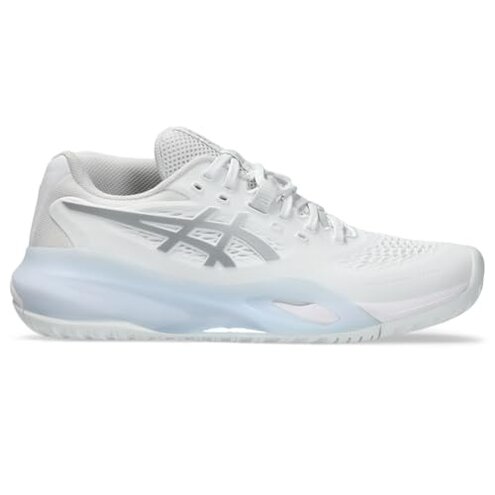
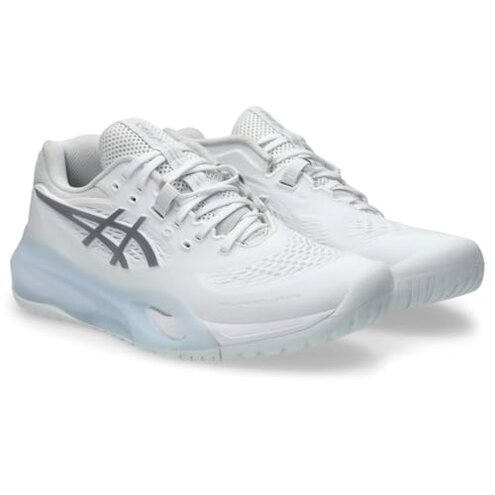
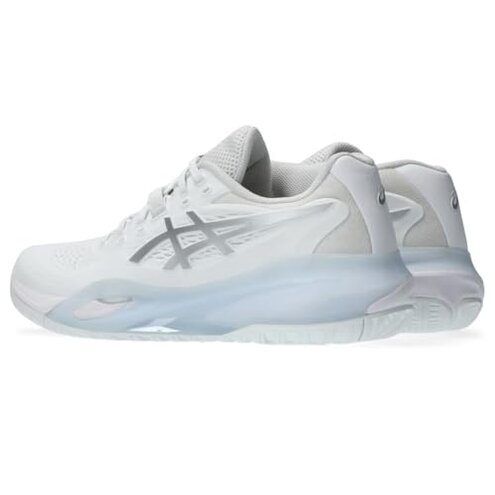
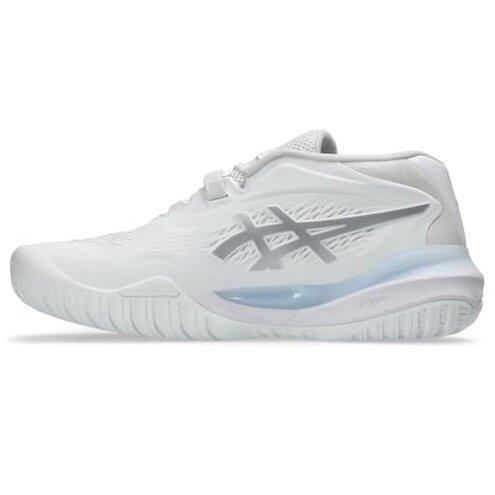
Product evaluated: ASICS Women's Gel-Resolution X Tennis Shoes, 7.5, White/Pure Silver
Related Videos For You
Best Women’s Tennis Shoes of 2025: Style, Support & Serious Comfort, Something For Every Level 🎀
How To Find Your REAL Shoe Size For Tennis, Basketball, And Other Court Sneakers
Data basis: This report summarizes dozens of buyer comments collected from written feedback and video-based impressions between mid-2024 and early-2026. Most input came from written reviews, with video demonstrations used as a secondary check for fit, comfort, and on-court feel during real use.
| Buyer outcome | This shoe | Typical mid-range alternative |
|---|---|---|
| First-fit comfort | Higher risk of feeling tight right away, especially in the forefoot | More forgiving for average-width feet out of the box |
| Fit predictability | Less consistent unless you size up or choose wide | More standard sizing expectations for most buyers |
| Long-match comfort | Can worsen during longer sessions if fit starts snug | Usually steadier unless the shoe is clearly mis-sized |
| Break-in burden | More upkeep than expected because buyers may need trial sizing | Lower effort with fewer exchanges or fit workarounds |
| Regret trigger | Paying premium price and still needing sizing adjustments | Lower regret when fit is easier to predict |
Do you want a tennis shoe that feels playable right away?
The main frustration is the narrow fit, which appears to be the primary issue in buyer feedback. It shows up on first try-on, then feels more disruptive during long court sessions than buyers expect at this price.
The trade-off is clear: the shoe aims for a locked-in feel, but that can cross into cramped comfort for average or wider feet. Compared with a typical mid-range tennis shoe, this feels less forgiving from day one.
- Pattern: A recurring complaint is that the shoe runs narrow, which the product note itself also flags.
- When it hits: The issue usually starts at first wear and becomes more obvious during side-to-side movement.
- Who notices most: Buyers with average-to-wide feet are more likely to feel pressure in the front half.
- Why it frustrates: This is more disruptive than expected for a tennis shoe meant for long matches and repeated hard stops.
- Hidden requirement: Many buyers effectively need to size up or choose wide, which adds extra trial-and-return effort.
- Fixability: The issue is sometimes manageable with sizing changes, but not universal if the shoe shape itself clashes with your foot.
- Regret point: The fit problem feels worse because it appears in basic daily use, not only in edge-case play.
Are you expecting comfort to improve quickly after a short break-in?
A secondary issue is that snugness can linger longer than buyers expect. This tends to matter most after repeated sessions, when small pressure spots stop feeling temporary.
That matters because tennis shoes usually need some break-in, but buyers commonly expect the discomfort to ease without extra sizing experiments. Here, the effort can be higher than the category baseline.
- Frequency tier: This is a secondary pattern, less common than narrow fit complaints but still persistent.
- Usage moment: It shows up after repeated wear, especially during longer practice or match sessions.
- Category contrast: Some firmness is normal, but this can feel less forgiving than typical mid-range court shoes.
- Buyer impact: Instead of settling in naturally, the shoe may keep reminding you that the fit started too tight.
- Attempts: Buyers often try thinner socks, relacing, or more break-in time before deciding if the fit will work.
- Why regret grows: Extra break-in effort feels harder to accept when the shoe already costs $154.95.
Do you hate ordering your normal size and still needing a second try?
One of the most annoying risks here is fit predictability. It is not just that the shoe runs narrow. It is that the buyer may need to guess between half-size up and wide before even stepping on court.
This shows up during ordering and setup, not after months of use. That makes it more frustrating than a normal break-in issue, because the extra effort starts before the product proves itself.
- Pattern signal: Fit uncertainty appears repeatedly because the listing itself advises a half size up or wide.
- Early sign: If your usual tennis shoe fit is already snug, this model carries a higher-than-normal chance of mismatch.
- Why worse than normal: Most mid-range alternatives ask buyers to choose size, not solve sizing.
- Time cost: Wrong first choice can mean extra exchanges and delayed court time.
- Who feels it most: Buyers between sizes face a more frustrating decision than expected for this category.
- Fixability: It can be solved if wide or half-size-up works, but that is a hidden requirement many shoppers want to avoid.
- Regret trigger: Paying premium pricing for a shoe with trial-size friction is a common hesitation point.
Are you paying for stability but worried comfort may be the trade-off?
- Primary tension: The shoe’s stable feel may appeal to serious players, but that same locked-in approach can feel restrictive in daily use.
- When it matters: This tends to stand out during lateral movement, where support is helpful but cramped fit feels sharper.
- Pattern statement: The trade-off is not universal, but it appears persistent for buyers who prefer more room.
- Why stronger than expected: Tennis shoes often balance support and comfort better, while this pair can feel more demanding of foot shape compatibility.
- Impact: If your foot does not match the shape well, the support benefit may not outweigh the comfort penalty.
Illustrative excerpts
- Illustrative: “Felt secure, but tighter than I expected after one set.” — Primary pattern
- Illustrative: “I should have ordered wide from the start.” — Primary pattern
- Illustrative: “Break-in took longer than my usual court shoes.” — Secondary pattern
- Illustrative: “Great support, but my toes wanted more room.” — Secondary pattern
- Illustrative: “Normal size worked, but only with thin socks.” — Edge-case pattern
Who should avoid this
- Wide-foot buyers should avoid it if they want easy out-of-box comfort without sizing experiments.
- Between-size shoppers may want a safer option if they dislike returns, since fit predictability is worse than normal.
- Comfort-first players should be cautious if they play long sessions and notice forefoot pressure quickly.
- Value-focused buyers may want to skip it if premium pricing plus possible exchange hassle feels hard to justify.
Who this is actually good for
- Narrow-foot players may like it if they want a more locked-in feel and are willing to trade some instant comfort.
- Support-first buyers can still prefer it if stable court movement matters more than roomy toe space.
- Experienced ASICS wearers may do better if they already know to size up or order wide in this shape.
- Serious players who accept break-in time may find the snug fit tolerable if secure movement is the main goal.
Expectation vs reality
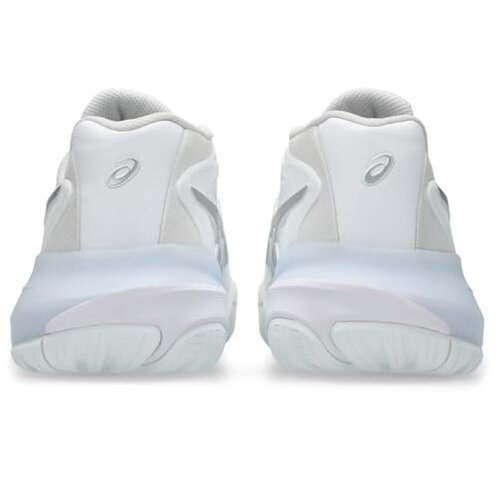
Reasonable expectation: A tennis shoe at this price should need only normal break-in. Reality: this one can require extra sizing strategy before comfort even starts.
- Expectation: Order your usual size and play soon.
- Reality: You may need half-size-up or wide just to reach a normal comfort level.
- Expectation: Stability should not crowd the forefoot.
- Reality: The secure fit can feel restrictive for some feet during real court movement.
Safer alternatives
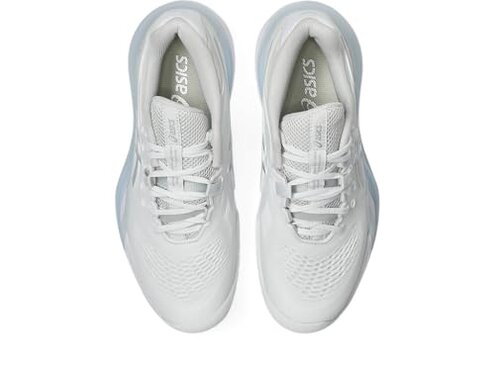
- Choose roomier lasts if forefoot pressure usually bothers you, because that directly reduces the main narrow-fit risk.
- Prioritize easy sizing in mid-range tennis shoes if you want less exchange hassle and more predictable first fit.
- Look for wide availability before buying if you are between sizes, since this shoe has a clearer hidden sizing requirement.
- Favor comfort-first court shoes if you play long sessions and do not want break-in discomfort to linger.
The bottom line
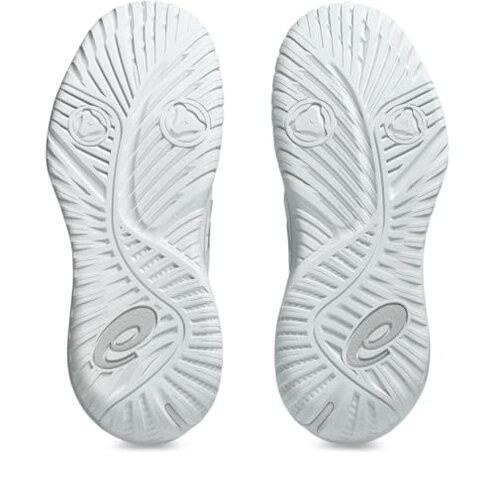
The biggest regret trigger is paying $154.95 for a shoe that commonly needs fit adjustments before it feels right. The narrow shape is the main reason this exceeds normal category risk, especially for average or wide feet. If you want easy sizing and quick comfort, this is a pair many shoppers should skip unless they already know this fit works for them.
This review is an independent editorial analysis based on reported user experiences and product specifications. NegReview.com does not sell products.