
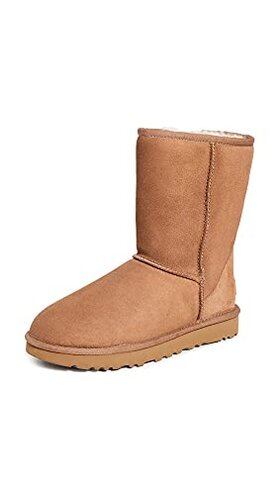
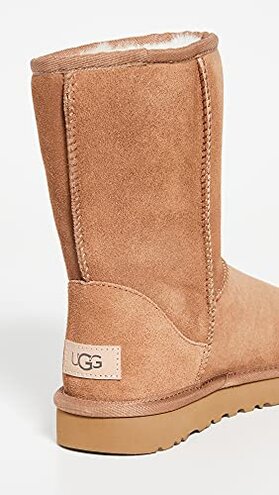
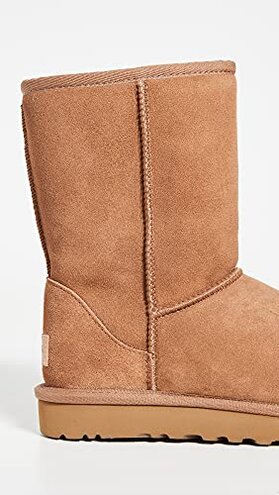
Product evaluated: UGG Women's Classic Short Ii Boot, Chestnut, 08
Related Videos For You
Winter Boots Survival Guide | Stop Salt & Water Boot Damage In Wet Snowy Weather
How to choose Sheepskin Boots
Data basis: This report summarizes hundreds of shopper comments gathered from written feedback and video-style impressions collected from 2023 to 2026. Most input came from longer written experiences, with shorter visual demonstrations used to confirm common fit, wear, and upkeep patterns during daily use.
| Buyer outcome | This boot | Typical mid-range alternative |
|---|---|---|
| Break-in comfort | Mixed; comfort can feel great early, but sizing and snugness complaints appear repeatedly on first wear. | More predictable; usually less plush, but sizing is often easier to judge. |
| Daily upkeep | Higher; the treated finish helps, yet marks and weather-related care remain a commonly reported hassle. | Lower; usually less delicate in wet or messy daily conditions. |
| Long-term appearance | Riskier; shape loss and visible wear are a primary complaint after repeated use. | More stable; often less premium-looking, but tends to hide wear better. |
| Fit consistency | Uneven; recurring frustration comes from not knowing whether to size up, down, or wait for stretching. | More forgiving; less dramatic lining compression in normal wear. |
| Regret trigger | Paying premium pricing and then dealing with careful maintenance, uncertain fit, or faster-looking wear than expected. | Lower regret; fewer style points, but usually less stress for routine use. |
Why do they feel great at first, then suddenly not fit the way you expected?
Fit drift is among the most common complaints because the regret shows up after the first few wears, not always in the first try-on. That makes exchanges harder, especially when the boot first feels snug but later changes shape during daily use.
Pattern: This issue appears repeatedly, though not universally, especially when buyers wear them indoors first and then start using them for longer outings. The trade-off is soft interior comfort versus a break-in period that feels less predictable than typical mid-range boots.
Worse than baseline: Many soft-lined boots loosen a little, but this pair is commonly described as more confusing than normal because buyers must guess whether tight means correct or too small.
- Early sign: Toes may feel crowded on first wear, then the boot starts loosening after repeated short sessions.
- Frequency tier: This is a primary issue, and it is more disruptive than expected for this category because fit changes after purchase can affect return confidence.
- Usage moment: The mismatch often becomes obvious during longer walks or full-day wear, when heel movement or extra room starts showing up.
- Likely cause: The plush interior compresses with use, which buyers notice as a different fit rather than a small comfort adjustment.
- Impact: Some people end up with a boot that feels too tight at first and too loose later, which can make premium pricing feel harder to justify.
- Hidden requirement: Buyers often need to plan for break-in judgment, which adds guesswork that many expect premium casual boots to reduce.
- Fixability: Thick socks or different wear timing can help a little, but they do not fully solve a size that settles wrong.
Illustrative excerpt: “They felt perfect for one day, then strangely roomy by the weekend.” Primary pattern.
Will the outside start looking worn faster than you want?
Appearance wear is another primary complaint because the disappointment usually appears after regular errands, commuting, or light bad-weather use. Buyers often accept some aging in this category, but here the upkeep can feel higher than normal for a premium casual boot.
- Pattern note: This is a recurring issue seen across multiple feedback types, especially after repeated weekly wear.
- When it shows: The problem often becomes visible after daily use in mixed weather, crowded floors, or scuff-prone routines.
- What buyers notice: Creasing, surface marks, and a less fresh look can show sooner than expected.
- Why it stings: In this price range, buyers usually expect aging, but not a look that can become high-maintenance so quickly.
- Category contrast: Many mid-range alternatives look less luxurious, yet they can be more forgiving about dirt and casual contact.
- Attempts: Protective sprays and careful brushing are commonly tried, but they add extra steps and ongoing attention.
- Hidden cost: The boot works best when treated like a care-dependent item, which is a bigger burden than many cold-weather casual buyers want.
- Fixability: Maintenance can slow the problem, but cannot guarantee the boot keeps its new look through normal daily handling.
Illustrative excerpt: “I loved the look, but they got tired-looking way too fast.” Primary pattern.
Do they become less supportive the more you wear them?
Support loss is a secondary issue, but it becomes more frustrating when it happens because it affects comfort during real outings, not just appearance. The regret usually appears after repeated wear, when the soft feel no longer matches the support some buyers expected.
Pattern: This is persistent rather than universal, and it shows up most during longer sessions on hard floors, travel days, or routine winter errands. The soft interior can feel cozy early, but some buyers say the underfoot feel gets flatter with time.
Worse than baseline: Casual winter boots are not known for athletic support, but this can feel less forgiving than typical mid-range alternatives once the interior packs down.
- Early sign: Comfort feels plush at home, yet less stable after extended standing or walking.
- Frequency tier: This is a secondary issue, less frequent than fit complaints but more frustrating when it affects all-day wear.
- Usage context: It tends to show up after repeated use rather than right out of the box.
- Impact: Buyers expecting a premium boot to stay cushioned may feel let down faster than expected.
- Attempted fix: Added inserts are a common workaround, but they can change fit in an already size-sensitive boot.
Illustrative excerpt: “Super cozy at home, but not enough support for a full day.” Secondary pattern.
Are they a bad choice if you want true grab-and-go winter boots?
Weather limits are a secondary complaint because the issue is not that the boots cannot handle any moisture, but that buyers often expect more carefree use than they really get. The frustration appears during rainy days, slushy sidewalks, or messy seasonal commuting.
- Pattern statement: This issue is commonly reported when buyers treat them like everyday winter beaters instead of more careful casual boots.
- When it happens: Problems show up during wet outings or repeated exposure to dirty winter surfaces.
- Buyer-visible effect: The boots can demand more cleaning caution and faster attention after exposure than expected.
- Why this feels worse: A treated finish raises expectations, so buyers may assume easier all-weather use than daily reality supports.
- Category contrast: Many winter boots at lower prices are less comfortable indoors, but more practical for sloppy outdoor conditions.
- Hidden requirement: Owners may need a second pair for heavy wet weather, which raises the real cost of choosing these.
Illustrative excerpt: “I expected easy winter wear, but bad weather made me baby them.” Secondary pattern.
Who should avoid this
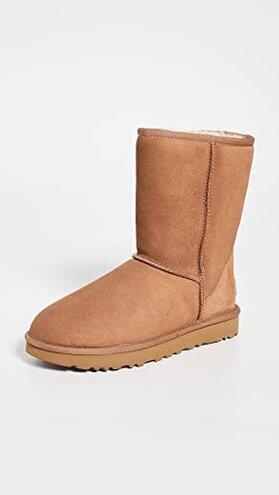
- Avoid it if you want predictable sizing without break-in guesswork, because fit change after early wear is a primary regret trigger.
- Skip it if you need low-maintenance boots for messy winter days, since upkeep appears higher than normal for casual daily footwear.
- Pass if you expect all-day support from a soft boot, especially for hard floors or long walking days.
- Look elsewhere if premium pricing only makes sense when the new look lasts with minimal care.
Who this is actually good for
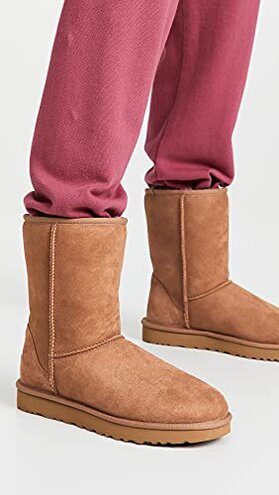
- Good fit for buyers who already know their UGG sizing preference and are comfortable managing the snug-then-looser break-in pattern.
- Works well for mostly indoor-to-car use, where comfort matters more than wet-weather toughness.
- Reasonable choice for shoppers who accept regular care steps in exchange for the signature soft feel and look.
- Better match for short errands and casual wear than for people needing one boot for every winter condition.
Expectation vs reality
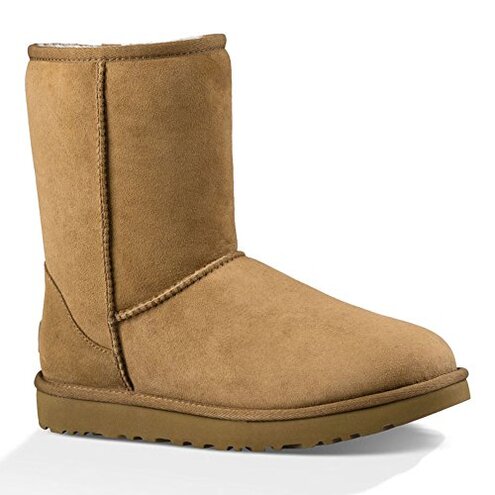
Expectation: A premium casual winter boot should feel comfortable and stay easy to wear without much thought.
Reality: Comfort trade-offs can include fit change, support decline, and more upkeep than many buyers reasonably expect for this category.
Expectation: A treated exterior suggests simple bad-weather use.
Reality: Care needs still appear higher than expected, especially if you wear them like a true all-purpose winter boot.
Expectation: Soft-lined boots may loosen a little, which is reasonable for this category.
Reality: Here, fit uncertainty is commonly described as more confusing than normal, because the change can alter whether the chosen size still feels right.
Safer alternatives
- Choose firmer-fit boots with clearer sizing guidance if fit drift is your main concern.
- Pick weather-focused styles if you need true daily winter use without careful cleaning habits.
- Look for removable insoles if long-wear support retention matters more than initial plushness.
- Favor darker, tougher finishes if visible surface wear would bother you quickly.
- Keep this style as a second pair rather than your only winter boot if you still want the soft feel without the all-weather regret.
The bottom line
Main regret: Buyers most often struggle with uncertain fit, faster-looking wear, and upkeep that feels high for a premium casual boot.
Why it stands out: Those problems exceed normal category risk because they show up in everyday use, not extreme conditions, and they can demand extra care, guesswork, or even a backup pair.
Verdict: If you want a simple, durable, low-fuss winter boot, this is a product many cautious shoppers should seriously consider avoiding.
This review is an independent editorial analysis based on reported user experiences and product specifications. NegReview.com does not sell products.