
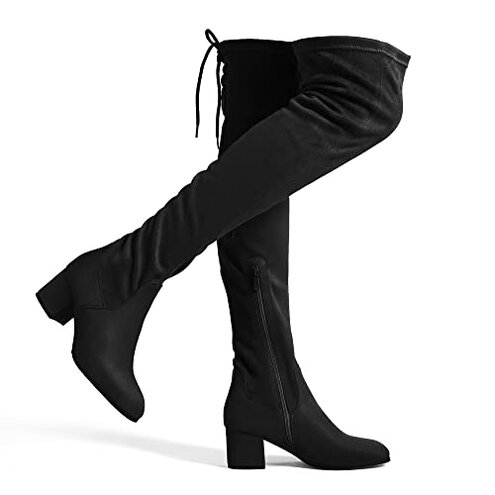
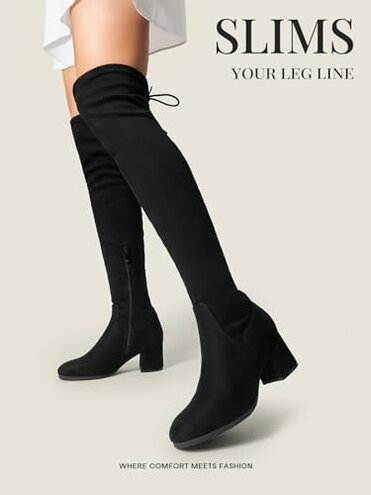
Product evaluated: DREAM PAIRS Women's Laurence Over The Knee Thigh High Chunky Heel Boots Long Stretch Sexy Fall Boots,Size 8,Black,LAURENCE
Related Videos For You
How To Fit Tall Boots - Ariat Presents
OVER KNEE BOOTS WITH ME!
Data basis This report uses dozens of buyer comments gathered from written feedback and short video-style impressions collected from 2023 to 2026. Most input came from written reviews, with added context from image-backed wear reports and fit discussions, which helps show both first-try problems and issues that appear during normal outings.
| Buyer outcome | This boot | Typical mid-range alternative |
|---|---|---|
| Fit consistency | Higher risk of calf, thigh, and foot fit mismatch in the same pair. | Usually steadier fit, even if not perfect across leg shapes. |
| Stay-up hold | More troublesome during walking, especially after first setup. | Usually better at staying in place with less adjustment. |
| All-day comfort | Mixed comfort that can drop fast during longer wear. | More predictable for several hours of casual use. |
| Look vs photo | Noticeable risk that shape and fit look less sleek in real use. | Closer match to listing photos on average. |
| Regret trigger | Buying for a fitted thigh-high look and getting slouching or sliding instead. | Usually lower regret if expectations are basic and practical. |
Do you want thigh-high boots that actually stay up?
Primary issue for many buyers is the same regret moment: the boots look good standing still, then start dropping once walking begins. That is more disruptive than expected for this category because over-the-knee boots already need some adjustment, but repeated pull-ups add constant annoyance.
Recurring pattern appears during first wear and becomes more obvious on longer outings, stairs, or frequent sitting and standing. The top tie can help a little, but it also creates a hidden requirement: you may need to keep reworking the fit during use.
Category contrast matters here. Some slouching is normal in fashion boots, but buyers commonly describe this pair as needing more attention than a typical mid-range option.
Illustrative excerpt: “Cute for ten minutes, then I kept pulling them back up.” Primary pattern because it reflects the most repeated day-one frustration.
Worried the size will be right in one area and wrong in another?
- Fit drift is a primary complaint, with repeated reports that the foot, calf, and thigh areas do not scale evenly.
- When it shows up is usually right after first try-on, especially if your legs are slimmer or fuller than average.
- Why it frustrates buyers is simple: the shoe part can feel acceptable while the shaft feels too loose, too tight, or oddly shaped.
- Category baseline for tall boots already includes some fit gamble, but this seems less forgiving than most mid-range alternatives.
- Real impact is style loss, because the boot can wrinkle, gap, or compress in ways the product photos do not suggest.
- Common attempt is adjusting socks, tightening the top, or changing outfit thickness, which adds extra steps before leaving home.
- Fixability is limited, since a mismatch between foot fit and leg fit is hard to solve without compromising comfort somewhere else.
Illustrative excerpt: “My foot fit fine, but the leg part looked completely off.” Primary pattern because it captures the repeated mixed-fit problem.
Need boots you can wear for more than a quick outing?
- Secondary issue is comfort fading during longer wear, even when the first few minutes feel fine.
- Usage context matters most during shopping, dates, parties, or any plan with extended standing and walking.
- Early sign is that the boots feel acceptable indoors, then become tiring once you are outside for a while.
- Why worse than expected is that a mid heel usually suggests manageable wear time for casual events.
- Likely trade-off is choosing the look over comfort, which some buyers accept for shorter styling use.
- Persistent pattern is not universal, but it appears often enough to matter for anyone buying these as an all-evening boot.
Illustrative excerpt: “They looked great in the mirror, but my feet disagreed later.” Secondary pattern because comfort complaints trail fit and slip-down issues.
Expecting the sleek photo look in real life?
- Photo gap is an edge-case to secondary complaint, depending on leg shape and styling expectations.
- When noticed is usually during first mirror check after full outfit styling, not just right out of the box.
- Main cause seems tied to how the shaft sits on the leg, which can create bunching instead of a smooth line.
- Buyer impact is disappointment more than failure, but it matters because this is a style-first purchase.
- Category contrast is important here: fashion boots never look identical on everyone, yet this pair appears more sensitive to body shape than average.
- Less frequent than fit and slide complaints, but more frustrating when bought specifically for a sharp, fitted silhouette.
- Hidden requirement is careful outfit pairing, because certain skirts, jeans, and leg proportions make the slouching more obvious.
Illustrative excerpt: “They were not bad, just not the sleek shape I expected.” Edge-case pattern because it depends heavily on styling goals.
Who should avoid this
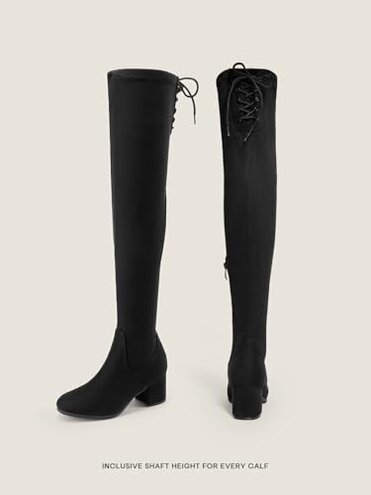
- Avoid it if you want a boot that stays up with minimal fuss during walking, commuting, or long indoor events.
- Avoid it if your usual problem is split sizing, where your foot and leg rarely fit the same boot equally well.
- Avoid it if you need dependable comfort for several hours, not just a short dinner or quick photos.
- Avoid it if you are buying mainly for a clean, body-hugging thigh-high look shown in listing images.
Who this is actually good for
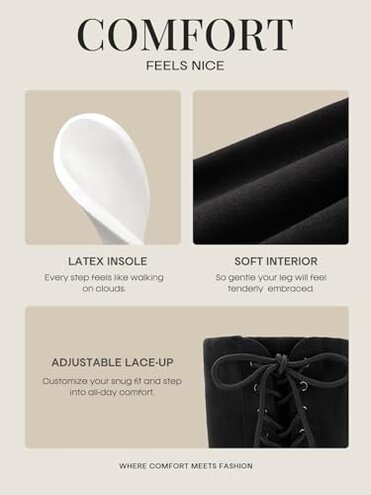
- Good fit for buyers who treat these as short-event fashion boots and can tolerate occasional pull-ups.
- Good fit if your priority is the look at a budget-friendly $48.99 price and you accept some fit trial and error.
- Good fit for people whose legs already work well with stretch-style tall boots and who do not expect custom-like hold.
- Good fit if you mainly need them for seated events, short outings, or outfit styling rather than heavy walking.
Expectation vs reality
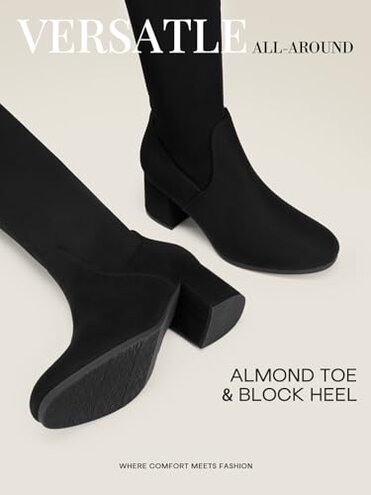
Expectation: A reasonable hope for this category is occasional adjustment, not constant readjustment.
Reality: Stay-up issues appear repeatedly enough that the upkeep can feel worse than normal for mid-range thigh-high boots.
Expectation: If the foot size fits, the leg shape should be close enough to wear confidently.
Reality: Fit mismatch is a primary complaint, with the foot area and upper shaft not always agreeing on who this boot fits.
Expectation: A mid heel should handle dinner, shopping, or a party without becoming the main distraction.
Reality: Comfort drop is a secondary but persistent issue once wear time stretches beyond a quick outing.
Safer alternatives
- Choose pairs with clear calf and shaft measurements, because that directly reduces the mixed-fit problem described above.
- Look for buyer photos showing walking or sitting, not just standing poses, to spot real-world slide-down risk.
- Prioritize styles with stronger structure at the top opening if you want less upkeep during longer wear.
- Buy from listings with detailed fit guidance by leg shape, which helps avoid the hidden requirement of outfit and body-type trial and error.
- Plan for shorter first wear sessions, so you can test comfort fade before using them for a full event.
The bottom line
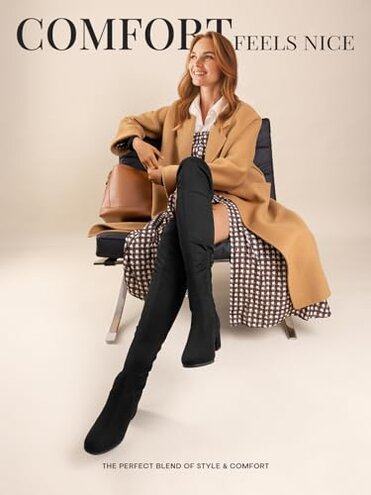
Main regret comes from expecting a stable, sleek thigh-high fit and getting a boot that may slide, bunch, or fit unevenly across the leg. That exceeds normal category risk because the annoyance shows up during real movement, not just a quick try-on.
Verdict if you want dependable hold and predictable fit, this is a reasonable one to skip. If you only need a lower-cost fashion look for short wear, the trade-offs may be easier to accept.
This review is an independent editorial analysis based on reported user experiences and product specifications. NegReview.com does not sell products.