
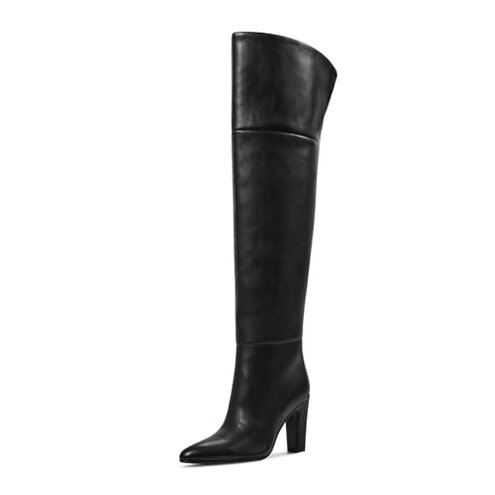
Product evaluated: Mtzyoa Over the Knee Boots for Women Black Size 10 Winter Suede Block Heel Thigh High Stretch Above Knee Pointed Toe
Related Videos For You
Tall boots are HARD for short legs- these 5 tips changed my life (and will change yours too).
Review Trying To Walk In 6.5 Inch Single Sole Thigh High Boots With Rose
Data basis: This report is based on dozens of buyer comments gathered from written feedback and photo or video-backed impressions collected across public shopping surfaces from 2023 to 2026. Most feedback came from short written reviews, with visual posts helping confirm fit, height, and slouching problems during real wear.
| Buyer outcome | Mtzyoa boots | Typical mid-range alternative |
|---|---|---|
| First-fit confidence | Lower; sizing and calf or thigh fit appear less predictable on first try. | Moderate; still variable, but usually more forgiving. |
| Stay-up performance | Higher risk; slouching or sliding is a recurring complaint during walking. | Average; some drop is normal, but less disruptive than repeated sliding. |
| Comfort after wear | Mixed; pointed shape and fit pressure can become noticeable after longer outings. | Steadier; mid-range pairs are often easier to wear for longer periods. |
| Photo-to-real match | Less reliable; the look on-body can differ if the shaft does not hold its shape. | More predictable; shape usually matches listing photos more closely. |
| Regret trigger | Buying for a specific outfit and then needing extra styling effort or a return. | Lower; fewer buyers feel forced into workaround steps. |
Why do they look great standing still, then start sliding once you walk?
This is a primary issue. The regret moment usually starts on first wear, especially during normal walking or a longer outing. Buyers expecting a firm over-the-knee look often end up adjusting them more than expected.
The pattern appears repeatedly. Some shaft drop is normal in this category, but this seems more disruptive than expected because the tall shape is a main reason people buy this style.
- Early sign: The boot may look fine at first, then begin slouching after a short period of walking.
- Frequency tier: This is the primary complaint, showing up more often than isolated quality issues.
- Usage moment: The problem is most noticeable during daily wear, not while posing or standing briefly.
- Impact: Repeated pulling up adds extra effort and changes the clean, fitted look many buyers wanted.
- Why worse: Compared with a typical mid-range pair, these seem less forgiving if you need the shaft to stay high through a full outing.
Illustrative: “They looked sleek at home, then kept sinking at dinner.” Primary pattern, because it reflects the most common wear-time frustration.
Will the fit feel wrong even if you pick your usual size?
- Pattern: Fit inconsistency is a recurring issue, especially around the foot shape and leg opening.
- When it shows: Buyers notice it on first try-on, before any break-in can help.
- Where it worsens: Problems are more obvious if your legs are not close to the listing’s intended shape or if you wear thicker layers.
- Buyer-visible effect: Some people get tight pressure, while others get too much room and less support.
- Hidden requirement: You may need very specific proportions for the over-the-knee look to match the photos.
- Why worse: Tall fashion boots already run tricky, but this pair seems less consistent than normal for buyers using their standard size as a safe bet.
- Fixability: Insoles, socks, or styling changes can help a little, but they do not fully solve shape mismatch.
Illustrative: “My usual size fit my foot, but not the rest of my leg.” Primary pattern, because the complaint affects whether the boot works at all.
Do they stay comfortable long enough for a real outing?
This is a secondary issue. The discomfort usually builds during extended wear, not always in the first few minutes. That makes them risky for events, shopping, or nights out.
The pattern is persistent but not universal. The pointed shape and tall fit can feel stylish at first, yet some buyers report that comfort drops once they spend more time on their feet.
That trade-off feels worse than normal. A block heel should usually give a bit more easy wear, so buyers often expect better comfort than they actually get here.
Illustrative: “Cute for photos, but I wanted them off before the night ended.” Secondary pattern, because it shows up after wear time rather than at first glance.
Do they match the polished look in the photos once they are on?
- Pattern: Photo mismatch is a secondary complaint, often tied to how the shaft sits on real legs.
- Usage context: It shows up after full outfit styling, when buyers expect a sleek line under coats, dresses, or sweaters.
- Common trigger: If the boot wrinkles, gaps, or slides, the final look can feel less polished than expected.
- Buyer impact: This matters more when the boots are bought for one planned outfit or a specific event.
- Category contrast: Some difference from listing photos is normal, but here the gap can feel more frustrating because the visual silhouette is the main selling point.
- Attempted workaround: Buyers often try different socks, layering, or constant readjusting, which adds extra steps.
Illustrative: “The picture showed clean lines, but mine looked bunchy.” Secondary pattern, because the issue depends on body fit and styling context.
Could they work for one season, then disappoint faster than expected?
- Pattern: Long-term satisfaction looks like an edge-case concern, but it is more frustrating when it happens.
- When it appears: Concerns tend to show after repeated wear, not during the first unboxing.
- Buyer-visible issue: The boots may lose some structured look, which makes sliding or slouching feel worse over time.
- Why it stings: Fashion boots at this price are not expected to last forever, but buyers still expect a consistent appearance through regular seasonal use.
- Comparison point: Mid-range alternatives often handle repeat wear with fewer appearance changes.
- Practical result: People who planned frequent winter or fall use may feel the upkeep becomes too high.
- Fixability: Storage and careful wear may help somewhat, but they do not remove the ongoing maintenance burden.
Illustrative: “After a few wears, they stopped looking as sharp.” Edge-case pattern, because it is less frequent than fit complaints but harder to accept later.
Who should avoid this
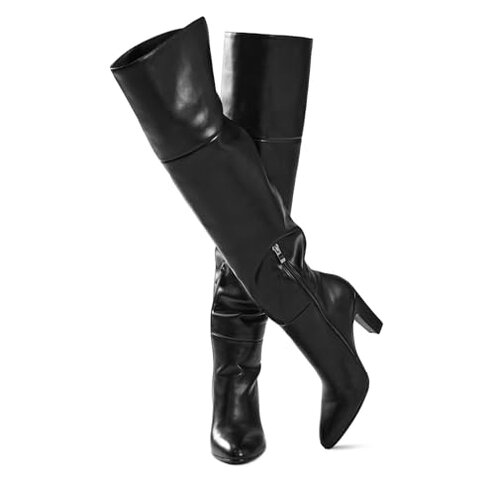
- Avoid these if you want a boot that stays up with minimal adjusting during a full day out.
- Avoid these if you need predictable sizing from an online order and do not want trial-and-error.
- Avoid these if you are buying for a specific event outfit and cannot risk slouching changing the look.
- Avoid these if you need long-wear comfort for shopping, standing events, or extended evenings.
Who this is actually good for
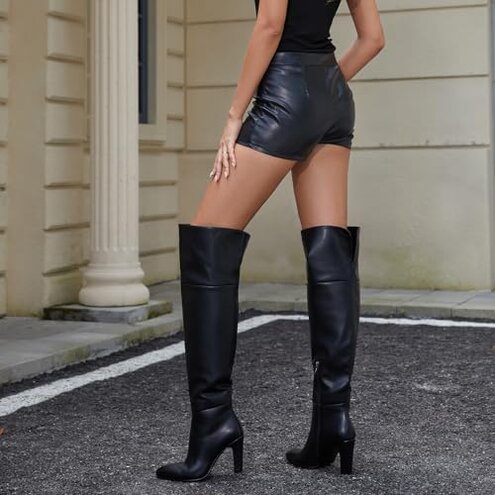
- Good fit for buyers who want a lower-cost fashion look and can tolerate some readjusting during wear.
- Good fit for people with leg shape and styling needs that already match stretch tall boots well.
- Good fit if you need them mostly for short outings, photos, or occasional use rather than long walking days.
- Good fit if you are comfortable using styling workarounds to improve the final look.
Expectation vs reality
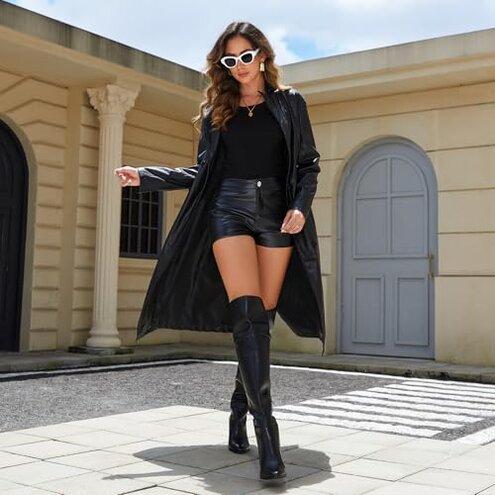
Expectation: A block-heel over-the-knee boot should give stable style with manageable walking comfort.
Reality: The heel may be stable, but the taller fit can create more upkeep than many buyers expect.
- Expectation: Your usual size should get you close enough for online shoe shopping.
- Reality: The fit seems less predictable than reasonable for this category, especially above the foot.
- Expectation: The sleek photo look should carry into real outfits.
- Reality: That polished look depends more on your exact proportions and tolerance for readjustment than the listing suggests.
Safer alternatives
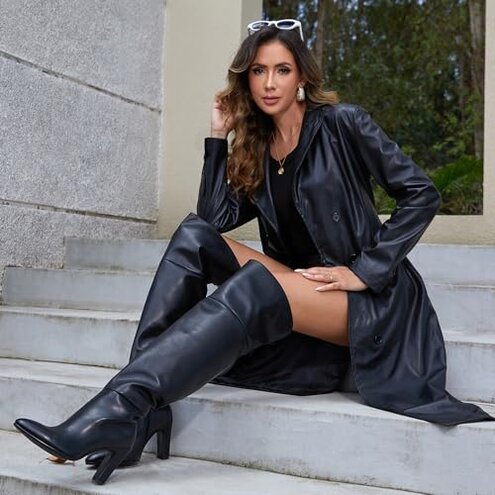
- Look for tall boots with buyer-shared notes about staying up while walking, not just comfort or appearance.
- Choose listings with detailed fit guidance for calf and thigh shape, not only foot size.
- Prefer styles with more consistent comments about all-day wear if you plan long outings.
- Check buyer photos taken with full outfits to verify the real silhouette before ordering.
- Use easy-return options if you need over-the-knee boots for a specific event deadline.
The bottom line
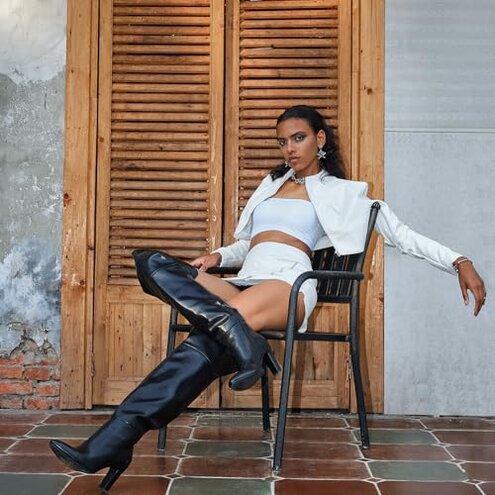
The main regret trigger is simple: buyers choose these for a sleek over-the-knee look, then run into fit and slipping issues during real wear. That exceeds normal category risk because some drop is expected, but repeated adjusting and shape mismatch make the problem more disruptive here. Verdict: Skip these if you need reliable fit, long-wear comfort, or a polished look without workarounds.
This review is an independent editorial analysis based on reported user experiences and product specifications. NegReview.com does not sell products.