
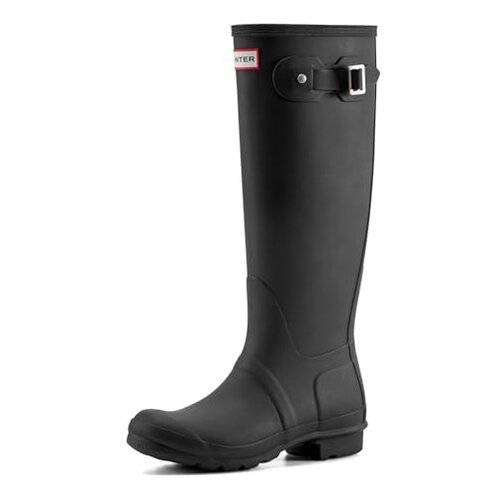
Product evaluated: Hunter Women's Original Tall Rain Boots, Black, 8 Medium
Related Videos For You
How to tell if your tall boots fit properly
How to Clean Your Rain Boots! Hunter, Tretorn, Wellies etc. Shoe Cleaning Ideas (Clean My Space)
Data basis for this report comes from hundreds of shopper comments gathered from written feedback and video-based impressions collected across 2023 to 2026. Most feedback came from written experiences, with smaller support from visual try-on and use demonstrations, which helps separate first-impression sizing problems from wear issues that show up later.
| Buyer outcome | Hunter Original Tall | Typical mid-range rain boot |
|---|---|---|
| Fit forgiveness | Less forgiving calf and foot fit, with recurring reports of a narrow feel or hard entry. | Usually easier to pull on with more average calf room. |
| All-day comfort | Mixed comfort, with repeated complaints during long walks or extended standing. | More expected short-to-moderate wear comfort for routine rain use. |
| Wear over time | Higher risk of cosmetic wear and occasional cracking concerns than many buyers expect at this price. | Moderate risk of scuffs, but fewer premium-expectation complaints. |
| Upkeep burden | More upkeep than many mid-range alternatives if you want them looking presentable. | Lower effort for buyers who just want simple wet-weather use. |
| Regret trigger | Paying premium pricing and still dealing with fit friction or faster-looking wear. | Lower regret because expectations are usually closer to the outcome. |
Why do they feel hard to fit right so quickly?
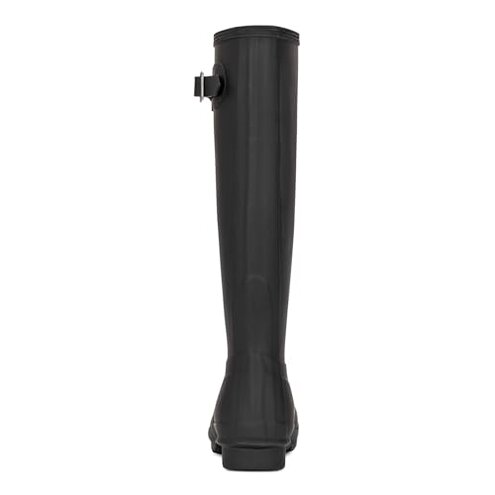
Fit complaints are among the most common negatives, and they hit at the worst moment: right out of the box, when buyers expect easy pull-on rain boots. The trade-off is clear: the tall, structured shape looks classic, but it is less forgiving than many people expect.
This pattern appears repeatedly, not universally, especially during first wear and when pairing them with thicker socks or trying to tuck pants inside. Compared with a reasonable rain-boot baseline, the entry and calf fit feel more restrictive than typical mid-range options.
- Early sign: buyers commonly report struggling to slide a foot in smoothly, even before walking much.
- Primary issue: calf space and shaft opening are frequent pain points during daily on-off use.
- Context: the problem worsens in colder weather or with heavier socks, when flexibility feels lower.
- Impact: what should be fast rain-shoe convenience turns into extra steps and second-guessing sizing.
- Hidden requirement: some buyers end up needing very specific sock thickness or pant choices to make them workable.
Why do they stop feeling comfortable on longer wear?
- Comfort drop is a secondary issue, but it is more frustrating when it happens because these are often bought for walking in bad weather.
- Usage moment: the discomfort tends to show up after longer errands, commuting, standing, or repeated daily wear.
- Pattern signal: this is a recurring complaint rather than a rare one, especially from buyers expecting fashion and function together.
- What people notice: the boots can feel stiff, heavy, or tiring compared with what many expect from a simple rain boot.
- Why worse than normal: some stiffness is category-normal, but the fatigue feels more disruptive than expected for this price tier.
- Common workaround: buyers often try thicker socks or inserts, which can help but may make the fit issue worse.
- Fixability: comfort can improve for some users, but repeated reports suggest break-in is not a reliable solution for everyone.
Why do expensive boots sometimes look worn too soon?
Wear concerns are a primary regret trigger because they clash with the premium image and price. Buyers do not just dislike scuffs; they dislike how quickly the boots can stop looking premium.
This issue appears repeatedly during regular wet-weather use and storage, and some complaints describe cracking or surface wear after repeated use. Compared with a normal category baseline, the disappointment is higher because buyers expect better-looking longevity from a boot near $174.90.
Not every pair has the same outcome, but the pattern is persistent enough to matter for cautious shoppers. The frustration is less about basic dirt and more about visible aging that feels too fast for a premium purchase.
- Visible clue: buyers commonly mention surface marks, dulling, or a tired look earlier than expected.
- When it shows: problems are usually noticed after repeated outings, cleaning, or seasonal storage.
- Severity: this is among the most disruptive complaints because appearance is a big reason people choose this style.
- Extra effort: owners often find these need more care attention than many mid-range rain boots.
Why does simple rain-boot ownership turn into upkeep work?
- Maintenance burden is a secondary issue that becomes more annoying over time, especially for buyers wanting grab-and-go footwear.
- Pattern signal: repeated feedback describes needing extra cleaning or appearance care to keep them from looking neglected.
- Real-life context: this shows up after muddy walks, closet storage, and regular wiping, not just extreme outdoor use.
- Category contrast: rain boots already need some care, but this feels like more upkeep than most mid-range alternatives.
- Buyer impact: the time cost is small each time, but persistent enough to create regret at premium pricing.
- Hidden requirement: buyers expecting truly low-maintenance rain gear may be surprised by the attention these can demand.
Illustrative excerpts
Illustrative: “I expected easy pull-on boots, but getting them on felt like a chore.”
Pattern: Primary fit friction seen repeatedly during first use.
Illustrative: “They looked great at first, then started looking rough too fast.”
Pattern: Primary appearance wear concern that matters more at premium pricing.
Illustrative: “Fine for short trips, but my feet were tired after longer walks.”
Pattern: Secondary comfort drop during extended wear.
Illustrative: “I did not expect rain boots to need this much care.”
Pattern: Secondary upkeep burden that grows with regular use.
Who should avoid this
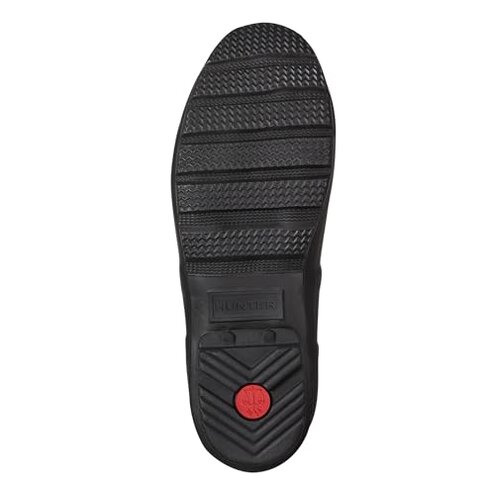
- Avoid these if you have wider calves or want easy on-off use, because fit friction is a primary complaint and worse than many standard rain boots.
- Avoid them if you walk long distances in rain gear, since repeated feedback points to comfort drop during longer wear.
- Avoid them if premium pricing makes you expect premium-looking longevity, because visible wear complaints appear repeatedly.
- Avoid them if you want low-maintenance wet-weather shoes, as upkeep needs seem higher than many mid-range alternatives.
Who this is actually good for
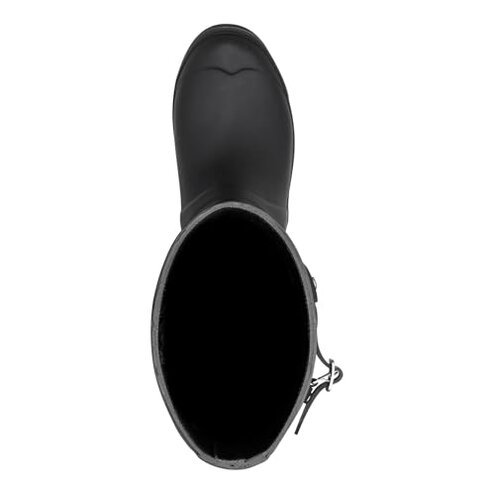
- Better fit for buyers with slimmer calves who want a tall, structured look and can tolerate less forgiving entry.
- Works better for short commutes or quick rainy errands, where comfort limits matter less.
- Good enough for shoppers who prioritize the classic style and accept extra care to maintain appearance.
- More suitable if you already know this shape works for your foot and calf, reducing the biggest fit risk.
Expectation vs reality
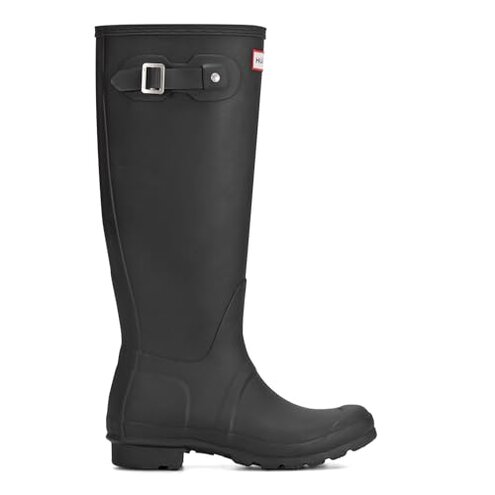
- Expectation: a tall rain boot should be reasonably easy to pull on.
Reality: recurring fit complaints suggest this pair is less forgiving than expected, especially with thicker socks. - Expectation: premium pricing should bring longer-lasting premium looks.
Reality: wear and appearance complaints are more common than buyers expect at this level. - Reasonable for this category: some stiffness is normal in rain boots.
Reality: the discomfort reports suggest longer-wear fatigue can be worse than a normal category trade-off. - Expectation: waterproof boots should be low-fuss to own.
Reality: repeated upkeep complaints show more maintenance effort than many buyers plan for.
Safer alternatives
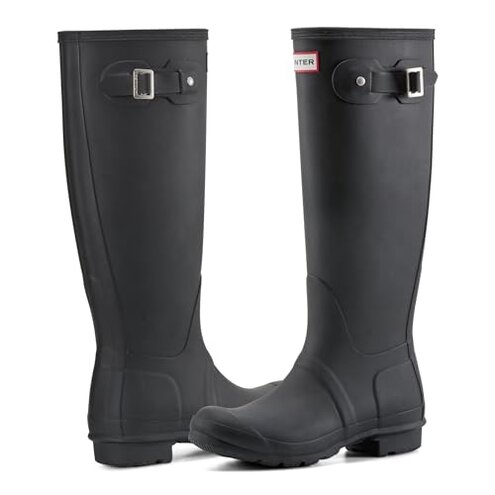
- Prioritize fit by choosing rain boots with wider calf options or stronger fit guidance if easy entry is your top concern.
- Choose comfort-first designs with softer interiors or shorter shafts if you expect long walking sessions.
- Lower regret by buying a less expensive mid-range pair if you care more about utility than iconic styling.
- Reduce upkeep by looking for rain boots marketed for easy cleaning and everyday rough use, not just polished appearance.
- Test the shaft and calf opening carefully before keeping any tall boot, because this product’s biggest risk shows up immediately.
The bottom line
Main regret comes from paying premium pricing and then running into fit friction, comfort limits, or faster-looking wear than expected. That risk feels higher than normal for this category because basic mid-range rain boots often ask for fewer compromises. Verdict: avoid these if you need forgiving fit, long-wear comfort, or low-maintenance value more than the classic look.
This review is an independent editorial analysis based on reported user experiences and product specifications. NegReview.com does not sell products.