
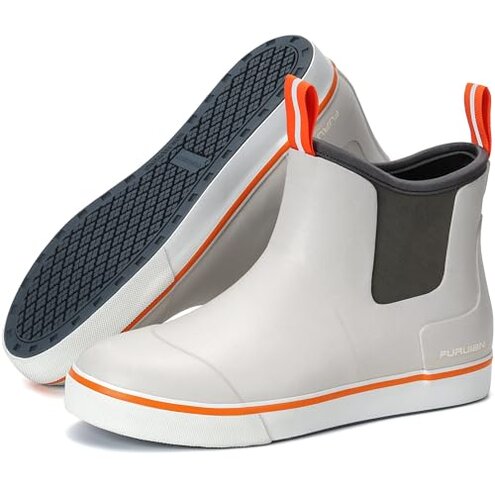
Product evaluated: Furuian Women's Deck Boots Ankle Rain Boots Fishing Boots Rubber Waterproof Garden Shoes Slip-Resistant Outdoor Work Shoes, Grey, Size 8
Related Videos For You
Sizing Suggestions for the DREAM PAIRS Women's Ankle Rain Boots
Why fishermen love Xtratuf boots - Deck Ankle Boot
Data basis This report summarizes dozens of buyer comments gathered from product-page feedback and short-form video demonstrations collected from 2024 to 2026. Most feedback came from written reviews, with smaller support from photo and video-based buyer posts, which helps separate first-impression issues from problems that show up during regular wear.
| Buyer outcome | Furuian boots | Typical mid-range alternative |
|---|---|---|
| Fit consistency | Higher risk of size surprise, especially around width and instep feel. | Usually steadier sizing with fewer break-in guesses. |
| All-day comfort | Mixed comfort during longer standing sessions. | More predictable for several hours of casual wet-weather use. |
| Easy on/off | Can vary by ankle opening and sock thickness. | Usually easier to slip on without extra effort. |
| Wet-surface confidence | Good at first, but comfort and fit can limit that benefit. | More balanced grip and wearability for everyday chores. |
| Regret trigger | Fit mismatch that turns waterproof boots into short-use-only shoes. | Less often a deal-breaker at this price tier. |
Do they feel wrong the moment you put them on?
Fit issues appear to be the primary complaint and among the most common reasons buyers hesitate to keep them. The regret moment usually happens on first try-on, when the boot feels tighter, looser, or harder to enter than expected.
Not universal, but the pattern appears repeatedly across different kinds of feedback. For ankle rain boots, some variation is normal, yet this seems less forgiving than a typical mid-range pair.
- Early sign: The opening can feel restrictive during pull-on, especially with regular socks.
- Frequency tier: This looks like a primary issue, not a one-off annoyance.
- Usage context: It shows up before outdoor use, then becomes more obvious during walking or standing.
- Buyer impact: A poor fit can cancel out the waterproof benefit because you stop wanting to wear them.
- Why worse: Similar boots usually allow more room for minor foot-shape differences.
Illustrative excerpt: “They keep water out, but getting them on is a whole process.” Primary pattern
Do they get uncomfortable faster than you expected?
- Pattern: Recurring discomfort is a secondary issue that shows up during longer wear, not just quick yard trips.
- When: The problem tends to appear after extended standing, work tasks, or repeated short walks in one day.
- What buyers notice: Support can feel limited once the boots move from brief rain use to daily chores.
- Category baseline: Many ankle rain boots are not sneaker-comfortable, but these seem more fatiguing than expected for mid-range work-style boots.
- Trade-off: Buyers who wanted waterproof protection plus all-day wear often seem to get only the first half.
- Fixability: Thicker socks or added insoles may help, but that adds extra steps and can worsen fit.
Illustrative excerpt: “Fine for quick garden runs, not great after hours on my feet.” Secondary pattern
Is the easy on-off claim hiding extra hassle?
Hidden requirement is one of the more frustrating surprises here. Some buyers seem to need the right sock thickness or more pulling effort than expected to make daily use feel manageable.
Persistent complaints suggest this is less frequent than fit problems, but more irritating when it happens every day. It tends to matter most during rushed use, like stepping out for wet chores or taking them off after work.
Why worse than normal is simple: ankle deck boots are usually bought for convenience. If putting them on or taking them off adds effort each time, the category’s main benefit starts to disappear.
Illustrative excerpt: “I bought ankle boots for convenience, but these still fight back.” Secondary pattern
Do they look tougher than they really wear?
- Pattern signal: Wear concerns seem less frequent than fit complaints, but they are more frustrating because they show up after the return window mindset has passed.
- When: This issue matters after repeated outdoor use, not necessarily on day one.
- Worsens under: Regular gardening, wet work, and frequent pull-on cycles can make minor durability doubts feel bigger.
- Buyer effect: Even if they stay usable, visible wear can make a $49.99 purchase feel less solid than expected.
- Category contrast: Work-style rain boots are usually expected to handle routine abuse with fewer questions about longevity.
- Decision risk: If you need one dependable pair for frequent messy jobs, this is an edge-case issue worth taking seriously.
- Mitigation: They may work better as lighter-duty weather boots than as hard-use daily work footwear.
Illustrative excerpt: “They seemed sturdy at first, then daily chores made them look tired fast.” Edge-case pattern
Who should avoid this
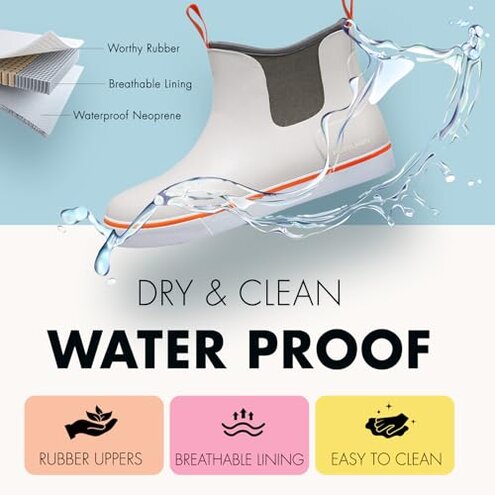
- Avoid if you are between sizes or often struggle with boot openings, because fit inconsistency is the clearest regret trigger.
- Avoid if you need true all-day standing comfort, since longer wear discomfort appears repeatedly and feels worse than basic rain-boot norms.
- Avoid if you want quick slip-on convenience for frequent in-and-out chores, because daily on-off hassle can defeat the ankle-boot advantage.
- Avoid if this will be your only heavy-use wet-work pair, since durability concerns are less common but more costly when they happen.
Who this is actually good for
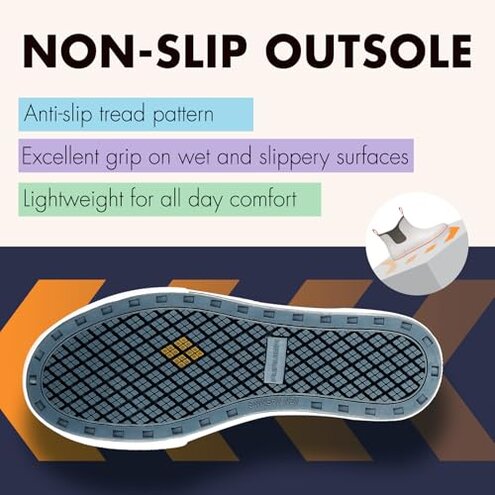
- Good fit buyers who already know this shape works for them may still like the waterproof protection and grip.
- Short trips users doing quick gardening or rainy errands may tolerate the comfort limits because sessions stay brief.
- Light duty buyers who need occasional wet-ground shoes, not daily work boots, may find the trade-off acceptable.
- Grip-first shoppers may accept some fit fuss if traction matters more than all-day wearability.
Expectation vs reality
Expectation: An ankle rain boot should feel reasonably easy to pull on for fast chores.
Reality: Some buyers run into opening or fit friction that adds effort right when convenience should be the selling point.
Expectation: Waterproof work-style boots should stay comfortable through a normal stretch of standing.
Reality: Repeated feedback suggests comfort can fall off during longer sessions, which is worse than reasonable for this category.
Expectation: At $49.99, buyers expect a balanced mid-range boot with no major compromises.
Reality: The biggest compromise appears to be fit predictability, which can make the price feel less safe than similar options.
Safer alternatives

- Prioritize fit by choosing boots with repeated buyer mention of true-to-size width and easier entry, which directly reduces the main return risk here.
- Look for comfort notes tied to long standing or farm chores, not just waterproof praise, because brief-use comfort can hide longer-use fatigue.
- Check opening design if you need fast slip-on use, since a convenient ankle height does not always mean convenient daily wear.
- Choose lighter-duty or heavy-duty on purpose, because buying a middle-looking boot for hard daily work is where regret can creep in.
The bottom line
Main regret risk is fit mismatch, especially when buyers expect easy pull-on convenience and longer-wear comfort from a work-style rain boot. That exceeds normal category risk because even decent waterproofing and grip do not help much if the boots feel wrong from first use. Verdict: skip these if fit uncertainty or long standing comfort matters more than basic wet-weather protection.
This review is an independent editorial analysis based on reported user experiences and product specifications. NegReview.com does not sell products.