
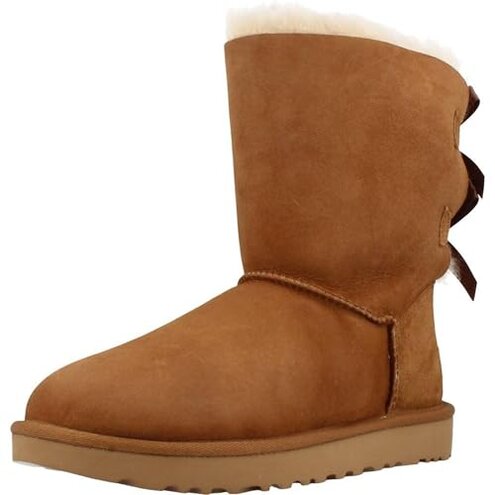
Product evaluated: UGG Women's Bailey Bow Ii Boot, Chestnut, 08
Related Videos For You
Coastal 101: Picking and Fitting the Right Winter Boots
How to Clean Suede & Nubuck Using Suede Shampoo | Removing Wine Stain
Data basis: This report draws from hundreds of buyer comments collected between 2023 and 2026. Most feedback came from written reviews, supported by photo and video posts that showed fit and wear over time. The clearest patterns came from repeated comments about sizing, comfort changes, and appearance during daily winter use.
| Buyer outcome | This boot | Typical mid-range alternative |
|---|---|---|
| First-week fit | Higher risk of feeling too snug or oddly loose because whole sizes and break-in can shift fit. | Lower risk with more common half sizes and more predictable fit from day one. |
| Daily comfort | Mixed comfort, with repeated reports that feel changes after regular wear. | More stable comfort across repeated casual use. |
| Looks over time | Above-normal risk of visible flattening and worn appearance during routine use. | Moderate cosmetic wear, usually less noticeable for the price tier. |
| Weather forgiveness | More limited than some buyers expect, especially in wet or messy conditions. | Usually better suited to casual bad-weather errands. |
| Regret trigger | Paying premium pricing and then needing extra care, sizing guesswork, or accepting early visible wear. | Less painful if wear shows early because the cost and upkeep expectations are lower. |
Do you want a boot that feels right immediately?
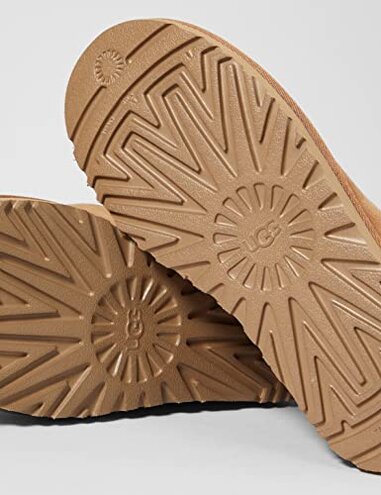
Primary issue: Fit inconsistency appears among the most common complaints. The regret moment usually happens on first try-on, when buyers realize sizing advice does not fully remove the guesswork.
Trade-off: Some buyers expect softness to solve fit, but repeated feedback shows the break-in period can change the feel in ways that are hard to predict. That is more frustrating than typical casual winter boots, which usually offer half sizes or a less risky fit decision.
- Pattern: This is a recurring issue, not a universal one, but it appears repeatedly across written and visual feedback.
- When: The problem usually starts at first use, then can shift again after a few wears as the inside compresses.
- Worse when: It gets more noticeable during daily errands or longer indoor wear, when a snug pair feels restrictive or a corrected size starts feeling loose.
- Hidden requirement: Buyers may need to accept sizing trial and error, which adds extra return time and effort.
- Impact: A boot bought for easy comfort can become a guessing game, especially for people between sizes.
Will you be annoyed if the inside comfort changes faster than expected?
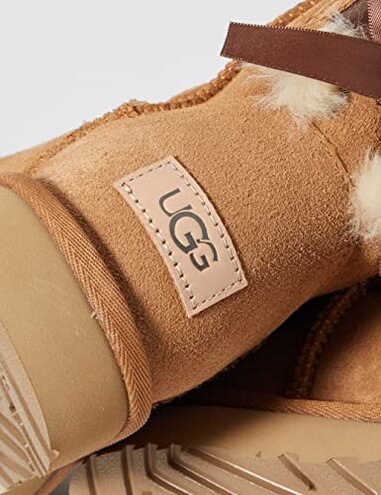
Primary issue: Comfort loss is a persistent complaint after repeated wear. The regret usually appears after the cozy first impression fades and the interior feel becomes less supportive.
Why it stings: Soft casual boots normally relax a bit, but buyers commonly describe this change as more disruptive than expected for the category because the premium price raises comfort expectations.
Illustrative excerpt: “Felt amazing at first, then got flat and sloppy quickly.”
Pattern note: This reflects a primary pattern tied to repeated wear.
Context: It tends to show up during daily use, especially when the boots become the default cold-weather pair. Once that interior compression happens, the fix is limited because the original plush feel does not fully return.
Do you expect the outside to keep its nice look without much effort?
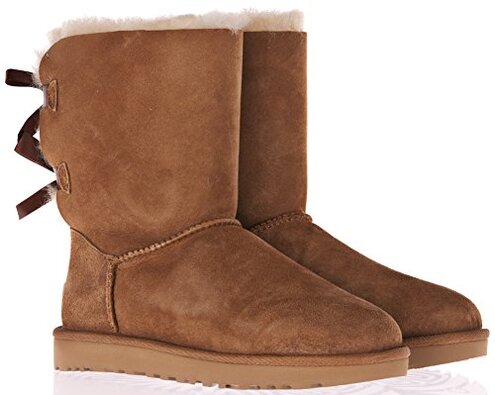
- Secondary issue: Visible wear is a secondary complaint, but it is more frustrating when it happens because these boots are bought partly for appearance.
- When: Buyers notice it after regular outings, not just heavy abuse.
- Common signs: Repeated feedback mentions a more worn-looking finish than expected over time.
- Worse when: The problem stands out more in messy weather or frequent use without careful upkeep.
- Category contrast: Some cosmetic wear is normal for this kind of boot, but buyers commonly feel this pair is less forgiving than typical mid-range alternatives.
- Real cost: Keeping the boots presentable can require more care than buyers planned for.
- Fixability: Maintenance can help, but repeated feedback suggests it does not fully stop the used-looking appearance.
Illustrative excerpt: “Pretty out of box, but they stopped looking fresh fast.”
Pattern note: This reflects a secondary pattern linked to routine wear.
Are you buying these to handle winter mess like a daily outdoor boot?
- Primary mismatch: Weather expectations are a primary regret trigger for some buyers who assume these work like a tougher all-purpose winter boot.
- When: The issue shows up during rainy, slushy, or messy outings when buyers want low-maintenance wear.
- Pattern: This is commonly reported as a mismatch between appearance and real-world use.
- Hidden requirement: Buyers often need more careful use and more selective weather choices than expected.
- Why worse than normal: Many casual cold-weather boots at lower prices are less demanding about conditions and cleanup.
- Impact: Instead of becoming an easy grab-and-go pair, they can feel like a fair-weather boot with extra rules.
- Attempts: Care routines may reduce risk, but they add steps and caution that some buyers did not want.
- Result: That gap between premium image and limited weather forgiveness creates the strongest buyer disappointment.
Illustrative excerpt: “I wanted everyday winter boots, but I had to baby them.”
Pattern note: This reflects a primary mismatch pattern during normal cold-weather use.
Illustrative excerpt: “Wish I knew they needed more careful wear than my cheaper pair.”
Pattern note: This reflects a secondary expectation gap.
Who should avoid this
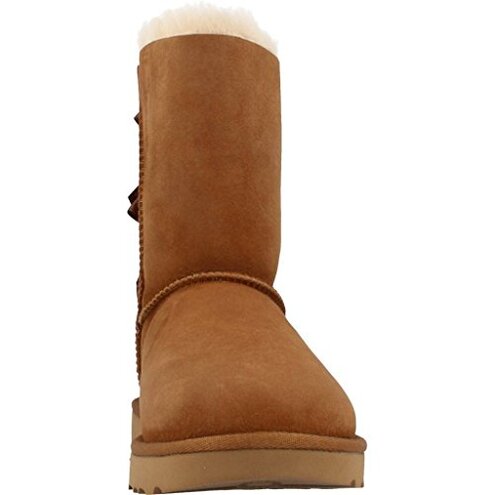
- Avoid it if you are between sizes and hate return hassle, because the fit risk is higher than normal for this category.
- Avoid it if you want a true grab-and-go winter boot for wet conditions, because the upkeep burden appears repeatedly.
- Avoid it if premium pricing makes you expect long-lasting plush comfort, because comfort change after repeated wear is a common frustration.
- Avoid it if you care a lot about keeping footwear looking fresh with minimal effort, because visible wear is a persistent complaint.
Who this is actually good for
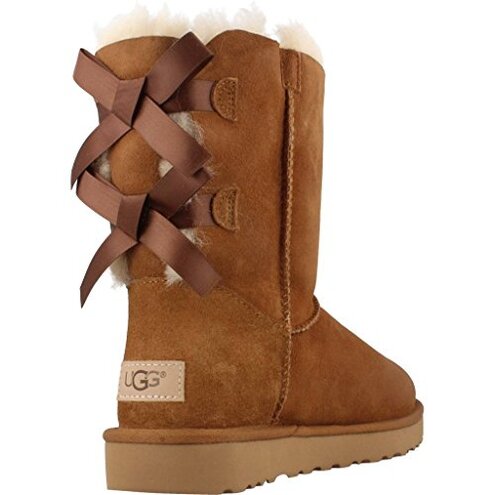
- Good fit for buyers who already know their UGG size and can tolerate the whole-size-only compromise.
- Good fit for lighter indoor and casual dry-weather use, where the weather limits matter less.
- Good fit for buyers who value the look first and accept extra care as part of owning this style.
- Good fit for occasional wear rather than heavy daily winter use, which reduces comfort compression and cosmetic wear.
Expectation vs reality
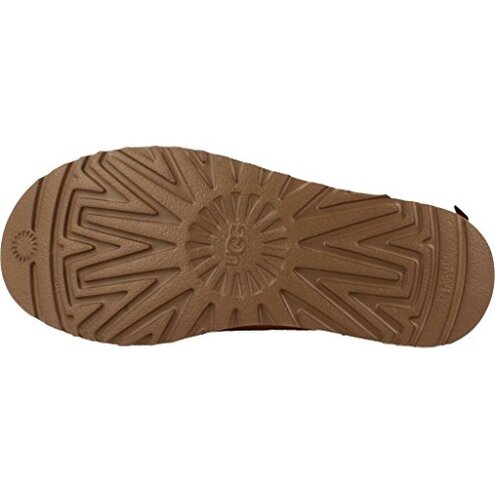
Expectation: A premium boot should feel easy to size.
Reality: The whole-size-only setup creates more fit guesswork than many buyers expect.
Expectation: Soft first-wear comfort should stay fairly stable for casual use.
Reality: Repeated feedback suggests the cozy feel can fade faster than expected.
Expectation: It is reasonable for this category to show some wear.
Reality: Buyers commonly describe faster visible aging or more upkeep than a typical mid-range alternative.
Expectation: A winter-style boot should handle routine messy weather.
Reality: This pair often works better as a selective-use boot than an everyday bad-weather one.
Safer alternatives
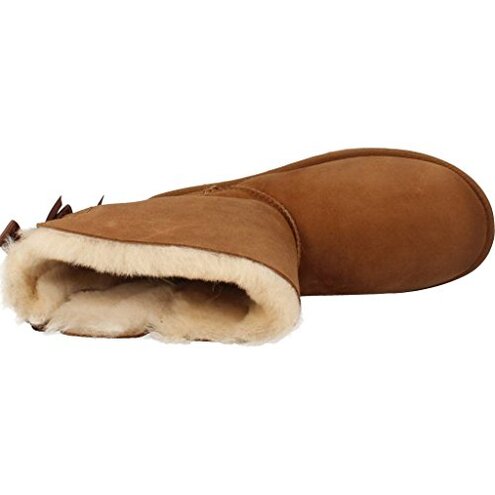
- Choose half sizes if fit uncertainty is your main concern, because that directly reduces the biggest early regret trigger.
- Pick weather-tough uppers if you need daily outdoor use, which helps avoid the fair-weather limitation.
- Look for firmer support if you want comfort that changes less over time during repeated wear.
- Favor lower-maintenance finishes if you do not want appearance care to become part of ownership.
- Buy for your use case by separating indoor-cozy boots from true winter errand boots, instead of expecting one pair to do both well.
The bottom line
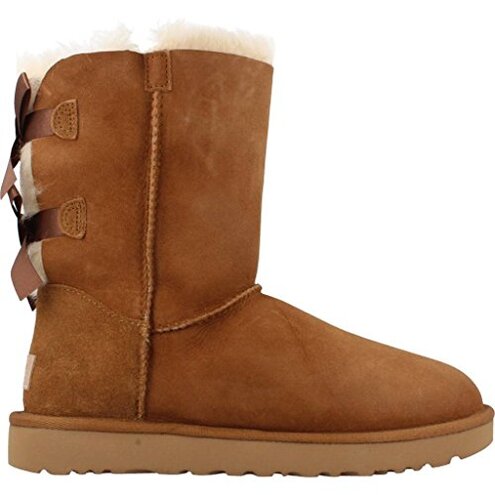
Main trigger: The biggest regret comes from paying $209.95 and then dealing with fit guesswork, faster comfort change, and more upkeep than expected. Those risks feel higher than normal because many mid-range alternatives ask for less care and less sizing compromise.
Verdict: Avoid this if you want dependable daily winter practicality. It makes more sense only if you already know the fit and accept that style and softness come with extra limits.
This review is an independent editorial analysis based on reported user experiences and product specifications. NegReview.com does not sell products.