
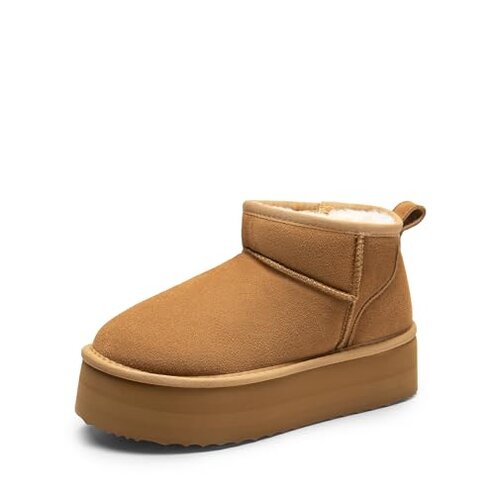
Product evaluated: DREAM PAIRS Platform Mini Boots for Women Suede Genuine Leather, Classic Winter Ankle Snow Boots with Memory Foam Insole Lightweight Anti-Slip Outsole FuzzyClassic,Size 7.5,Chestnut,SDSB2427W
Related Videos For You
watch BEFORE you buy | ugg classic ultra mini platform boot review & try on haul 👟✨
Winter ankle boots edition #cheapvsexpensive #wintershoes #dressbetter #oldmoneyfashion #styletips
Data basis: This report is based on dozens of shopper comments gathered from written feedback and short video-style demonstrations collected from 2024 to 2026. Most feedback came from written impressions, with video posts adding fit and real-wear context, so the patterns below focus on repeated buyer frustrations rather than one-off complaints.
| Buyer outcome | This product | Typical mid-range alternative |
|---|---|---|
| Fit consistency | Higher risk of sizing surprise, especially with thick socks or wider feet. | More predictable fit, even when lining is plush. |
| All-day comfort | Mixed comfort; cushioning helps at first, but platform height can feel tiring during longer wear. | Usually steadier for errands and longer casual use. |
| Weather use | Limited for wet winter conditions despite splash-focused marketing. | Often better at handling normal slush and damp sidewalks. |
| Wear over time | More variable appearance and structure after repeated use. | More forgiving for daily winter rotation. |
| Regret trigger | Looks right online, then feels tighter, warmer, or less practical in daily winter use. | Lower chance of immediate return due to fit-function mismatch. |
Why do they feel off-size once you actually wear them?
Primary issue: Fit inconsistency appears to be among the most common complaints for this style. The regret moment usually happens on first try-on, especially when buyers expect to wear winter socks.
Recurring pattern: The plush interior can make the inside feel tighter than the outside shape suggests. That feels worse than expected because most mid-range winter ankle boots leave a little more room for cold-weather layering.
- Early sign: Toes feel crowded or the opening feels snug as soon as the foot slides in.
- Frequency tier: This is a primary complaint and appears repeatedly in fit-focused feedback.
- Usage moment: The issue shows up during first wear and gets worse with thicker socks.
- Who notices most: Buyers with wider feet or higher arches tend to feel the squeeze faster.
- Impact: A cute short boot becomes a return problem if you cannot wear it the way winter boots are normally worn.
- Hidden requirement: You may need to plan around thin socks, which defeats part of the winter-boot expectation.
- Fixability: Break-in may help a little, but repeated feedback suggests it does not fully solve a truly tight fit.
Illustrative excerpt: “I wanted cozy winter boots, but I had to switch to thin socks.” Primary pattern.
Do the platform soles get tiring faster than expected?
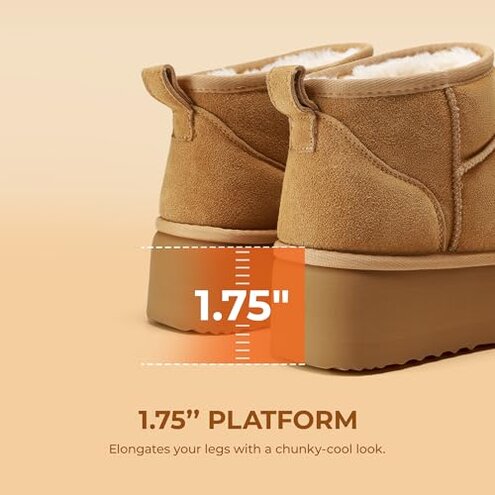
Secondary issue: The raised sole is not universally disliked, but it is more disruptive than expected for a casual winter boot. Buyers tend to notice this during errands, commuting, or long indoor-outdoor days.
Persistent pattern: The extra height can look stylish, but it may feel less natural than flatter mini boots. Compared with a typical mid-range alternative, this setup is often less forgiving for extended walking.
- First clue: They feel fine for quick wear, then noticeably heavier or less stable after more time on foot.
- Scope: This complaint is secondary, but it shows up across different wear contexts.
- Worsens when: Longer sessions and more walking make the platform feel more obvious.
- Trade-off: You get a lifted look, but some buyers lose the easy slipper-like feel they expected.
- Why it stings: In this category, buyers reasonably expect mini winter boots to feel simple and low-effort.
- Common workaround: Some limit them to short outings instead of all-day use.
Illustrative excerpt: “Cute height, but my feet felt done before the day was.” Secondary pattern.
Are they really ready for wet winter days?
Primary concern: Weather expectations can outrun real-life performance. The frustration usually appears during slushy sidewalks, damp parking lots, or messy snowmelt.
Not universal, but this is one of the more frustrating complaints when it happens because it defeats the purpose of a winter boot. Compared with many mid-range alternatives, the protection feels more limited than shoppers expect from the look.
- Pattern: Buyers commonly treat the styling as more winter-ready than the practical use supports.
- Trigger: Trouble starts when conditions move from light dry cold to wet cold.
- Buyer-visible result: People become more cautious about where they wear them, which adds planning and limits convenience.
- Why worse than normal: Many same-price winter casual boots handle routine slush with less second-guessing.
- Attempted fix: Some buyers reserve them for dry days, but that narrows their usefulness.
Illustrative excerpt: “They look like snow boots, but I avoid puddles and slush.” Primary pattern.
What if the nice look does not hold up after regular wear?
- Edge-case risk: Appearance wear is less frequent than sizing complaints, but more frustrating when it shows up early.
- When it appears: This tends to show after repeated outings, rubbing, and normal winter handling.
- Visible issue: The surface can start looking tired faster than expected for a fashion-meets-winter boot.
- Why buyers mind: This style sells heavily on appearance, so early wear feels like value loss right away.
- Category contrast: Some mid-range alternatives in this lane hide scuffs and shape changes better.
- Impact: Owners may start saving them for lighter use instead of treating them as a daily pair.
- Fixability: Care helps, but it adds upkeep that feels higher than expected at this price tier.
- Hidden cost: If you want them looking fresh, maintenance becomes part of ownership.
Illustrative excerpt: “They looked great out of the box, then aged faster than I hoped.” Edge-case pattern.
Who should avoid this
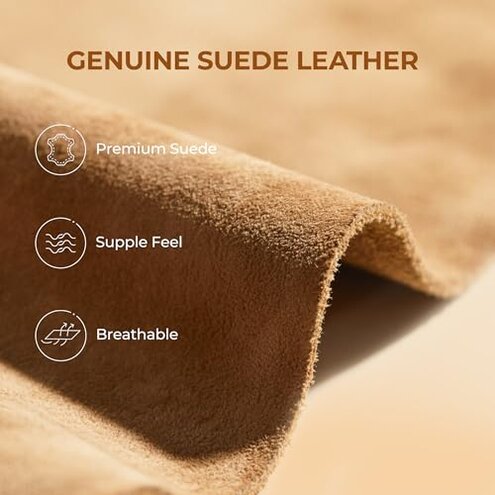
- Avoid these if you need dependable room for thick socks, because the fit issue is a primary complaint and exceeds normal winter-boot tolerance.
- Skip them if you walk a lot during the day, since the platform feel is less forgiving than many casual alternatives.
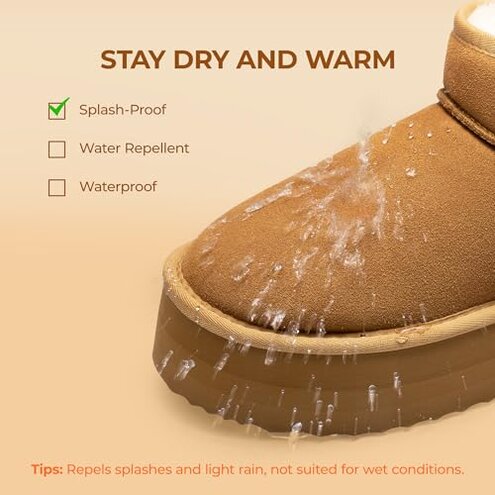
- Pass if you want one boot for wet snow and slush, because real-world use appears narrower than the styling suggests.
- Look elsewhere if fast cosmetic wear bothers you, especially when you expect a daily-use winter pair.
Who this is actually good for
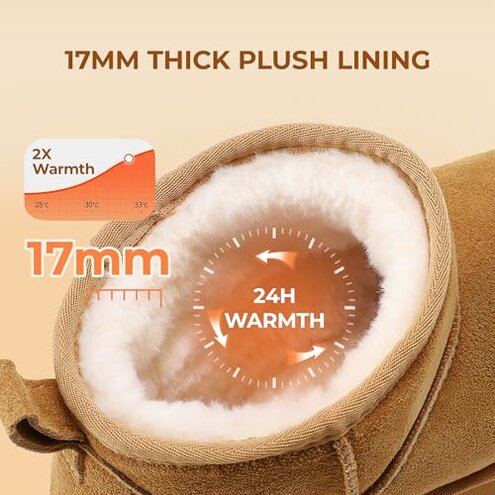
- Better fit for buyers who wear thin socks and already know they do well in snug-lined ankle boots.
- Works well for short errands or casual outfit use where the platform look matters more than all-day walking ease.
- Good match for mostly dry, cold weather rather than messy snow and slush.
- Reasonable pick if you treat them as a style-first seasonal boot and accept extra care to keep the outside looking nice.
Expectation vs reality
Expectation: A mini winter boot should feel easy to size and easy to wear with normal cold-weather socks.
Reality: The snug interior is a recurring complaint, so sizing can feel less predictable than reasonable for this category.
Expectation: A platform casual boot should still stay comfortable for routine walking.
Reality: The added height can become tiring during longer wear, which makes the style trade-off more noticeable than expected.
Expectation: Snow-boot styling should handle common wet winter mess without much thought.
Reality: Practical use appears better suited to dry cold than slush-heavy conditions.
Safer alternatives
- Prioritize boots with buyer-noted roomy toe space if you plan to wear thick socks, which directly reduces the fit regret seen here.
- Choose a flatter sole if your day includes longer walks, because that neutralizes the platform-fatigue issue.
- Look for winter casual boots described as reliable in slush, not just dry cold, to avoid the weather-use mismatch.
- Pick finishes that hide scuffs better if appearance longevity matters, especially for daily rotation.
- Check whether buyers mention break-in success, because hard-to-fix snugness is the main hidden risk with this pair.
The bottom line
Main regret trigger is the gap between the cute winter look and the more limited day-to-day fit and use. The higher-than-normal risk comes from a primary sizing problem and weather practicality that can feel narrower than typical mid-range alternatives. Verdict: avoid these if you need true winter versatility or predictable comfort right away.
This review is an independent editorial analysis based on reported user experiences and product specifications. NegReview.com does not sell products.