
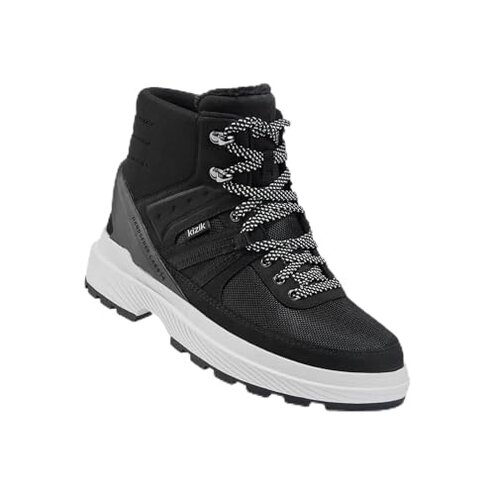
Product evaluated: Kizik Sierra Slip On Boots for Women: Durable Rubber Soles for Any Terrain, Winter Snow, Hiking, or Urban Daily Wear - Black/White W8.5
Related Videos For You
How to Fit Your Cowboy Boots - Justin Boots
Insane Traction and Warmth: The Grippiest Winter Boots for Icy Trails
Data basis: This report is based on dozens of aggregated buyer feedback items collected across written reviews and star-rating comments, with some photo-supported notes. The collection spans a recent multi-month window through early 2026. Most of the usable signals came from short written impressions, supported by fewer but more detailed wear-and-tear descriptions.
| Buyer outcome | Kizik Sierra | Typical mid-range boot |
|---|---|---|
| Slip-on ease | Very easy entry when fit is right | Moderate ease, usually needs hands/zip |
| Fit predictability | Higher risk of “not as expected” fit | More consistent across common sizes |
| All-day comfort | Polarizing, depends heavily on foot shape | More forgiving for average feet |
| Wet/ice confidence | Mixed, traction feel varies by surface | Typically predictable for daily sidewalks |
| Regret trigger | Return due to fit + pressure points | Less return-driven, more “meh” satisfaction |
Top failures
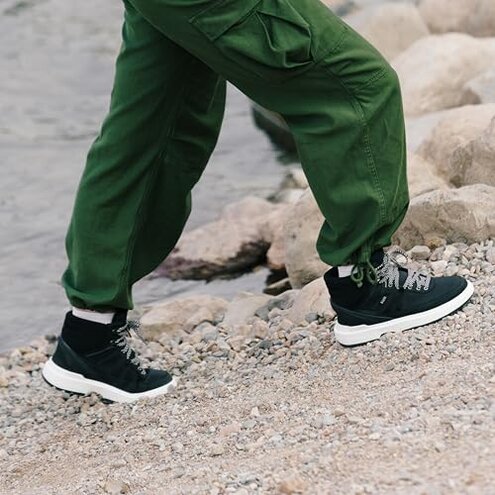
“Why do these feel great for five minutes, then hurt?”
Pressure spots are among the most disruptive complaints because they show up after you start walking, not while trying them on.
Recurring feedback describes discomfort that appears during daily wear, especially on longer errands or standing sessions.
Trade-off: the slip-on structure can feel less forgiving than many mid-range boots that break in more gently.
When it hits, it often shows up on first week wear as “hot spots” rather than a slow break-in improvement.
Category contrast: most comparable boots allow easier lacing or adjustment, so pressure is easier to tune out.
- Primary pattern shows discomfort building after 20–60 minutes of walking or standing.
- Early sign is a snug, locked-in feel that seems fine indoors, then turns into rubbing outdoors.
- Worsens with thicker socks or swelling later in the day.
- Impact is “shortened wear time,” which is more frustrating at this price tier.
- Fix attempts like different socks help some buyers, but the relief is not consistent.
- Fixability is limited because you cannot micro-adjust tension like laces on many alternatives.
- Illustrative: “Loved the step-in, but my heel started burning by lunch.” Primary pattern reflecting repeated comfort drop-offs.
“Why is sizing so hard to get right?”
- Most common regret trigger is sizing mismatch that leads to a return after a short try-on.
- Recurring reports describe a fit that feels either too tight at the top or loose at the heel.
- First-use confusion happens because slip-on ease can mask a slightly wrong size at home.
- Worsens during real walking, when heel lift or toe pressure becomes obvious.
- Hidden requirement is that you may need extra time for at-home testing on carpet and stairs to catch issues early.
- Category contrast: mid-range boots with laces or zips usually tolerate half-size uncertainty better.
- Mitigation is ordering adjacent sizes, which adds extra steps and return logistics.
- Illustrative: “Same size I always buy, but one foot felt trapped.” Primary pattern tied to fit variability.
“Are these actually good on winter sidewalks?”
- Secondary issue is mixed traction confidence, especially on slick sidewalks and wet pavement.
- Persistent comments describe grip as fine on dry ground but less reassuring on smooth, damp surfaces.
- Shows up during commutes and parking-lot walks when you expect “set-and-forget” footing.
- Worsens when you move fast, carry bags, or walk down slight slopes.
- Category contrast: many winter-leaning mid-range boots feel more predictable on polished concrete.
- Workaround is slowing down and choosing routes, which is an annoying daily tax.
- Illustrative: “Fine on trails, sketchy on wet store floors.” Secondary pattern tied to surface changes.
“Why do they look different than expected in person?”
- Edge-case dissatisfaction appears around visual expectations like silhouette and bulk once worn.
- Less frequent than fit complaints, but it is more irritating because it is noticed immediately.
- First wear is when buyers realize the ankle profile can read more casual or chunkier than hoped.
- Worsens if you planned to wear them with slimmer pants or office outfits.
- Category contrast: many mid-range urban boots have a more predictable “dress-casual” shape.
- Mitigation is checking multiple buyer photos before ordering, not just brand images.
- Illustrative: “I expected sleek, but they looked puffy around my ankle.” Edge-case pattern about styling mismatch.
Who should avoid this
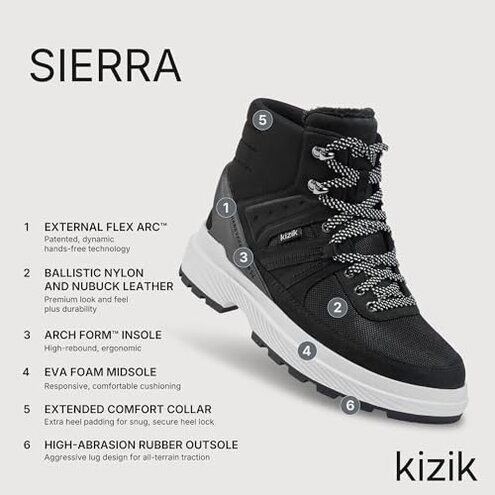
- Wide-foot or high-instep shoppers who need fine adjustment, because pressure points show up during longer wear.
- One-pair winter commuters who need predictable grip, because traction confidence is mixed on wet smooth surfaces.
- Return-averse buyers, because sizing volatility can require ordering multiple sizes.
- Office-style shoppers expecting a sleek ankle boot, because shape expectations can disappoint at first wear.
Who this is actually good for
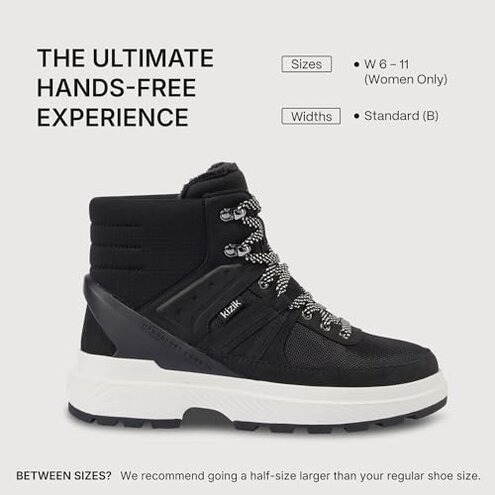
- Hands-free fans who value quick entry and are willing to tolerate extra sizing effort to dial fit.
- Short-wear users who mainly do quick errands, and can live with comfort limits beyond an hour.
- Casual walkers on mostly dry routes, who can accept surface-dependent traction feel.
- Outdoor-casual style buyers who like a sportier look and can ignore bulk surprises.
Expectation vs reality
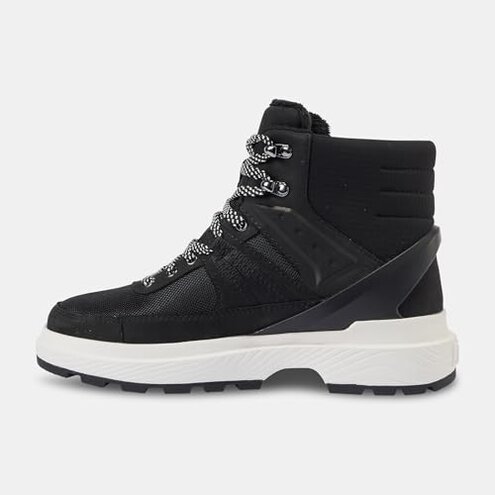
Expectation: A slip-on boot should feel comfortable right away for most feet.
Reality: Comfort is polarizing, with recurring pressure complaints after real walking.
Expectation (reasonable for this category): Mid-range winter-capable boots should feel steady on wet sidewalks.
Reality: Traction feedback is mixed, and some buyers change pace or routes to feel safe.
| What you optimize | What you risk |
|---|---|
| Fast entry without bending | Less adjustability if fit is slightly off |
| Snug hold at the heel | Hot spots during longer wear |
Safer alternatives
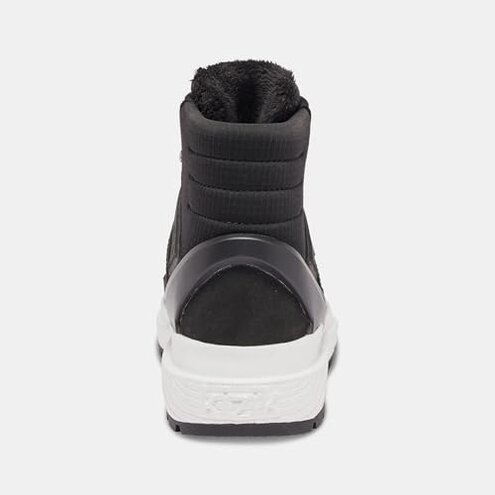
- Choose laces or a zipper if you need micro-adjustment, which directly reduces pressure-point risk.
- Prioritize outsole designs known for wet sidewalk grip to neutralize the mixed-traction pattern.
- Buy from retailers with easy exchanges to offset the size-guess tax.
- Check buyer photos for ankle profile before ordering to avoid style mismatch regret.
The bottom line
Main regret tends to be fit-driven, where hands-free entry is great but discomfort or sizing mismatch shows up during real walking.
Why it’s higher risk than normal is the limited adjustability, which makes small fit errors more punishing than typical mid-range boots.
Verdict: Avoid if you need predictable sizing and all-day comfort, or if winter sidewalks are your daily reality.
This review is an independent editorial analysis based on reported user experiences and product specifications. NegReview.com does not sell products.