
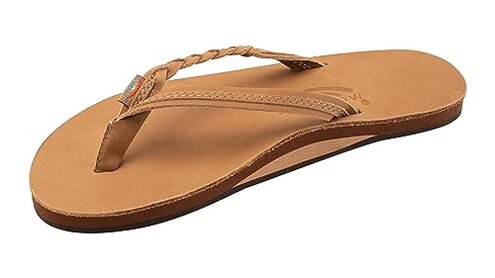
Product evaluated: Rainbow Sandals Women’s Flirty Braidy Premier Leather w/Single Braided Strap, Sierra Brown, Ladies X-Large / 8.5-9.5 B(M) US
Related Videos For You
How to Break in Leather Sandals
OluKai Answers | How to find your size?
Data basis for this report comes from analyzing dozens of aggregated buyer feedback items collected across written reviews and star-rating comments, supported by some photo posts. Most feedback weight came from longer written experiences, with shorter notes used to confirm repeated themes. The collection window spans 2019–2025, capturing both early impressions and wear-over-time updates.
| Buyer outcome | Rainbow Flirty Braidy | Typical mid-range |
|---|---|---|
| First-week comfort | Higher risk of painful break-in complaints | Moderate break-in, usually tolerable |
| Fit predictability | Less consistent sizing expectations across buyers | More consistent true-to-size patterns |
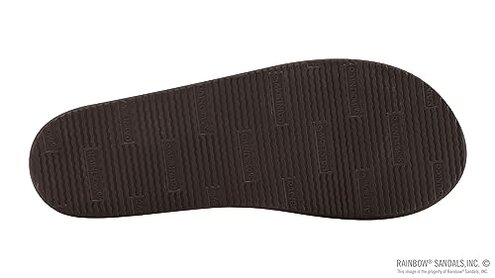
| Wet-surface traction | Higher-than-normal slip complaints in damp use | Average grip for casual sandals |
| Wear appearance | More noticeable cosmetic wear reported over time | Typical scuffs that blend in better |
| Regret trigger | “They hurt and I can’t return after trying outdoors.” | “Not perfect, but usable without special care.” |
Why do these hurt so much at first?
Regret usually hits in the first few wears when the strap and footbed feel stiff and start rubbing. Severity is described as more disruptive than expected for casual sandals because it can stop you from wearing them for normal errands. Trade-off is that some buyers accept discomfort hoping they “eventually” soften.
Pattern wise, break-in pain appears repeatedly and is a primary complaint, though it is not universal. Timing is typically first use through the first week, and it worsens with long walks, heat, and all-day wear.
Category contrast matters here because many mid-range sandals are wearable immediately, even if they improve later. Hidden requirement is that you may need a staged break-in plan, not just “put them on and go.”
Illustrative: “I wore them once and got blisters by lunchtime.” Primary pattern reflecting early-use discomfort.
Illustrative: “Cute, but I had to ‘train’ them before they were wearable.” Primary pattern showing the break-in burden.
Why does the sizing feel unpredictable?
- Primary issue is a persistent fit mismatch where expected size does not match foot feel.
- When it hits is immediately at try-on, especially for borderline half-sizes.
- Worse conditions include swelling during hot days and long standing sessions.
- Repeated theme is “between sizes” buyers feeling forced to choose too short or too loose.
- Category contrast is harsher because many mid-range sandals offer more adjustability than a fixed strap.
- Impact shows up as toe overhang, heel hang-off, or a strap that feels tight in motion.
- Fixability is limited because you cannot meaningfully adjust strap placement without workarounds.
Illustrative: “I’m my usual size, but my heel sits on the edge.” Secondary pattern tied to fit variability.
Do they get slippery when wet?
- Secondary issue is traction worry that shows up during damp errands and poolside use.
- Pattern appears repeatedly but is less universal than break-in pain.
- When it hits is after stepping on wet pavement, smooth tile, or splash zones.
- Worsens when the sole and your foot are both wet, creating more sliding inside the sandal.
- Category contrast feels worse because casual sandals are often bought for summer water-adjacent days.
- Impact is cautious walking, shorter steps, and avoiding certain surfaces.
Illustrative: “Fine dry, but I felt like I could slide on tile.” Secondary pattern about wet traction.
Why do they look ‘beat up’ sooner than expected?
- Secondary complaint is cosmetic wear that becomes obvious with frequent daily use.
- When it appears is after repeated outings, especially in dusty areas and rough sidewalks.
- Persistent pattern includes visible scuffs and darkening that some buyers dislike.
- Worse conditions include dragging toes, driving often, and carrying them in bags.
- Category contrast is that mid-range alternatives can hide scuffs better with texture or darker finishes.
- Impact is “nice sandals” turning into “beater sandals” faster than planned.
- Mitigation adds upkeep time, like careful wiping and avoiding rough handling.
- Fixability is limited if the look change is from normal abrasion rather than dirt.
Illustrative: “They started looking worn even though I babied them.” Edge-case pattern focused on faster-than-expected appearance change.
Who should avoid this
- Blister-prone feet should avoid, since early break-in pain is a primary recurring complaint.
- Travel buyers should avoid if you need comfort on day one for walking-heavy trips.
- Between sizes shoppers should avoid because fit predictability is a persistent frustration without easy adjustability.
- Wet-area users should avoid if you will regularly walk on damp tile or pool decks due to recurring slip concerns.
- Low-upkeep shoppers should avoid if you hate appearance maintenance and visible scuffing.
Who this is actually good for
- Patient break-in buyers who can wear them in short sessions and accept early discomfort for later softness.
- Mostly dry-use shoppers who wear sandals for dry errands and not around slick wet surfaces.
- Style-first buyers who love the braided look and can tolerate some cosmetic aging.
- Consistent sizing shoppers who already know how this brand fits their feet from prior pairs.
Expectation vs reality
Expectation (reasonable for this category): you can wear casual sandals for a full afternoon right away.
Reality: break-in pain is a primary recurring theme, and it can require staged wear to avoid blisters.
| What you expect | What trips buyers |
|---|---|
| True-to-size fit for your usual number | Inconsistent feel that’s tricky if you’re between sizes |
| Summer-ready use near water | More caution on wet smooth surfaces than many mid-range pairs |
| Stays pretty with normal wear | Visible scuffs and look changes some buyers find too fast |
Safer alternatives
- Prioritize adjustability by choosing sandals with adjustable straps to reduce the recurring sizing regret.
- Choose softer footbeds if you need day-one comfort, which directly reduces the primary break-in pain risk.
- Look for grip patterns meant for wet tile if you expect poolside use, addressing the traction concern.
- Pick forgiving finishes or textured straps if cosmetic scuffs bother you, minimizing visible aging.
- Confirm return rules before outdoor wear so the “regret trigger” does not lock you in after testing.
The bottom line
Main regret trigger is painful early wear that can cause blisters during normal outings. Risk feels higher than normal for mid-range sandals because it often demands a deliberate break-in routine and careful fit choice. Verdict is to avoid if you need immediate comfort, predictable sizing, or wet-surface confidence.
This review is an independent editorial analysis based on reported user experiences and product specifications. NegReview.com does not sell products.