
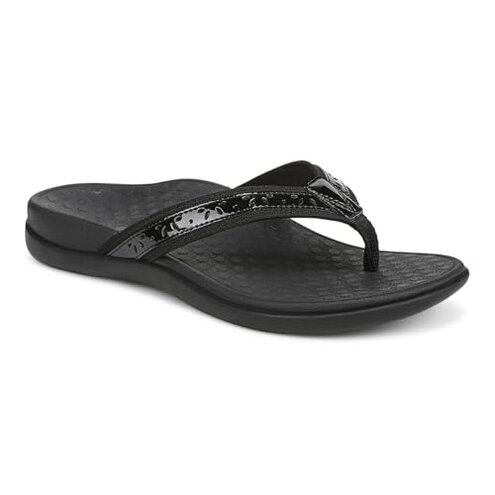
Product evaluated: Vionic Tide II - Women's Leather Orthotic Sandals - Orthaheel Black - 9 Medium
Related Videos For You
Women's Orthotic Sandals for Bunions
How to wear Custom Orthotics in Sandals
Data basis: This report summarizes dozens of buyer experiences gathered from a mix of written ratings and Q&A-style feedback, collected across a multi-year window from 2021–2025. Most of the usable detail came from longer written comments, with supporting short-form notes that repeated the same themes about fit, comfort, and wear over time.
| Buyer outcome | Vionic Tide II | Typical mid-range sandal |
|---|---|---|
| First-day comfort | Riskier if your foot dislikes firm arch support | More forgiving cushioning and flatter footbeds |
| Fit predictability | Less consistent, half-size guidance adds uncertainty | More standard sizing expectations |
| Strap comfort | Higher rubbing risk during long walks | Usually softer break-in with fewer hot spots |
| Long-wear durability | Mixed reports, some early wear feels premature | More average wear rate for casual sandals |
| Regret trigger | “Support hurts” after a few hours of normal use | “Not supportive” but rarely painful for most feet |
Why do they feel “supportive” but still painful?
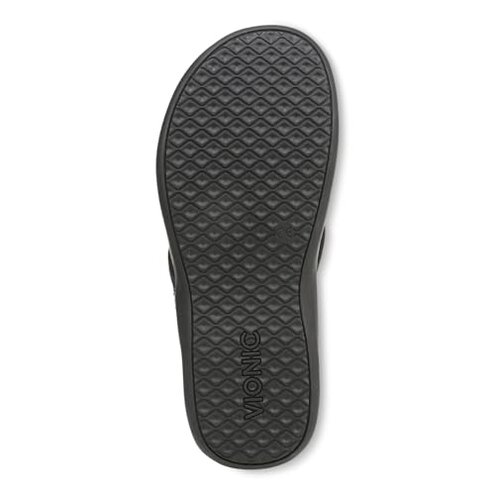
Regret moment: you buy these for relief, then your arches feel sore after a normal errand run.
Severity: this is among the most common complaints, and it is more disruptive than expected for casual sandals.
Pattern: discomfort is recurring, but not universal, and it clusters around people who are new to firm orthotic-style footbeds.
When it shows: it often appears on first wear or after a few hours, and worsens during long walking days.
Category contrast: most mid-range sandals feel merely “flat,” but they don’t commonly create sharp arch pressure without a break-in plan.
- Early sign is arch pressure that doesn’t fade after 20–30 minutes of walking.
- Primary pattern is soreness that increases with all-day wear, especially on hard floors.
- Fit link shows up when the arch “hits wrong,” which buyers often connect to sizing uncertainty.
- Workaround commonly involves gradual wear time, but that adds extra steps versus typical sandals.
- Fixability is limited because the support shape is built-in, so you cannot easily “soften” the footbed feel.
Why is sizing so hard to get right?
- Hidden requirement is following the half-size guidance, which many buyers find counterintuitive at checkout.
- Persistent issue is “between sizes” frustration that appears repeatedly in buyer notes.
- When it hits is during first try-on, when heel placement and arch location feel immediately off.
- Worsens when your foot slides forward during heat or longer walks, making straps feel tighter.
- Impact is toe overhang or heel not sitting in the heel cup, which can turn “support” into pressure points.
- Compared to normal, standard sandals tolerate small size errors better, while this shape feels less forgiving.
- Mitigation is ordering adjacent sizes and returning one, which adds time and possible stock hassles.
Do the straps cause rubbing during real walking?
- Primary complaint is rubbing at common contact spots during daily use, especially with longer walks.
- Not universal but repeated enough that many cautious buyers treat it as a real risk.
- Early sign is a hot spot within the first hour, then it becomes irritation with sweat.
- Worsens on humid days or when you do errands without socks, which is the normal way sandals get worn.
- Time cost shows up when you need bandages or moleskin, adding pre-planning to casual footwear.
- Category contrast is that many mid-range sandals break in quickly, while these can stay stiff-feeling longer.
- Workarounds include short break-in sessions and strap placement tweaks, but adjustment options are limited.
- Deal-breaker happens when rubbing combines with arch pressure, making the shoe “supportive” yet unwearable.
Do they hold up, or do they wear out too fast?
- Secondary pattern is disappointment when visible wear shows up earlier than expected for the price tier.
- When it appears is after repeated summer wear, especially with daily walking rather than occasional outings.
- Worsens if you use them as your main pair, because constant flexing can make aging feel premature.
- Impact is reduced traction or a “tired” feel underfoot, which undermines the support reason for buying.
- Not the norm because many mid-range casual sandals at least degrade slowly, while this is described as surprisingly fast when it happens.
- Mitigation is rotating pairs and avoiding rough surfaces, but that adds maintenance and extra cost.
Illustrative excerpt: “The arch feels like a hard bump after an hour.” Primary pattern tied to firm support discomfort.
Illustrative excerpt: “I followed the size chart and still didn’t land right.” Primary pattern tied to sizing uncertainty.
Illustrative excerpt: “Cute, but the strap spot rubbed raw on a long walk.” Secondary pattern tied to friction during extended wear.
Illustrative excerpt: “Great for quick trips, not my all-day walking sandal.” Secondary pattern tied to fatigue and pressure over time.
Illustrative excerpt: “After a season, they looked more worn than my cheaper pair.” Edge-case pattern tied to faster-than-expected wear.
Who should avoid this
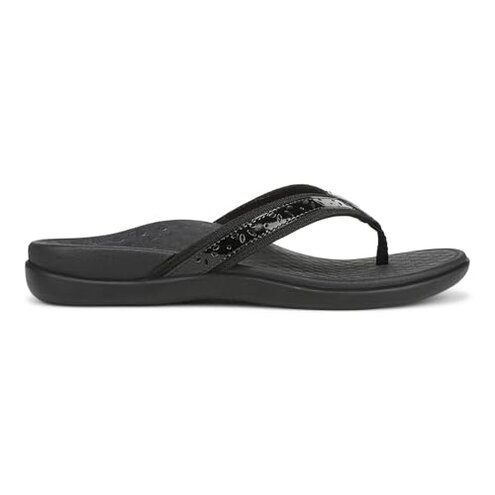
- Sensitive arches who dislike firm support, because discomfort is a primary repeated complaint in first-day wear.
- Between sizes shoppers who hate returns, because fit feels less predictable and the sizing guidance is a hidden step.
- All-day walkers needing zero hot spots, because strap rubbing appears repeatedly during long sessions.
- One-pair users expecting a single daily sandal, because wear complaints become louder with heavy rotation.
Who this is actually good for
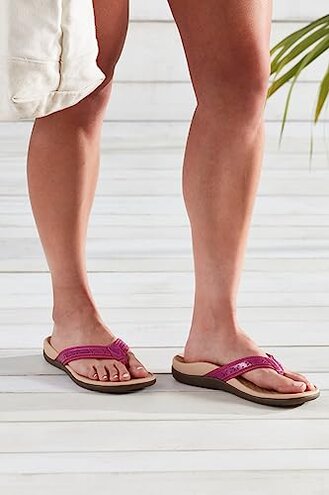
- Firm-support fans who already like orthotic-style shoes, because they will tolerate the break-in period that frustrates others.
- Short-wear users doing quick errands, because the main pain trigger tends to show up during long sessions.
- Return-ready shoppers who can order two sizes, because sizing success often requires comparison try-ons.
- Low-friction routines where you can stop and swap shoes, because rubbing risk is less stressful when you have a backup.
Expectation vs reality
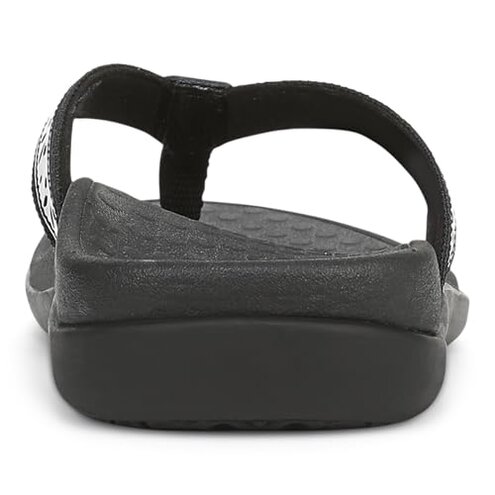
Expectation: “Reasonable for this category” is a sandal that feels okay on day one and gets better.
Reality: Persistent arch pressure is commonly reported, and it can feel worse than a flatter footbed.
- Expectation is standard sizing with minor wiggle room.
- Reality is that small size errors feel magnified because the arch and heel cup placement matters.
- Expectation is straps that only need light break-in.
- Reality is hot spots that can show up during real walking, not just initial try-on.
Safer alternatives
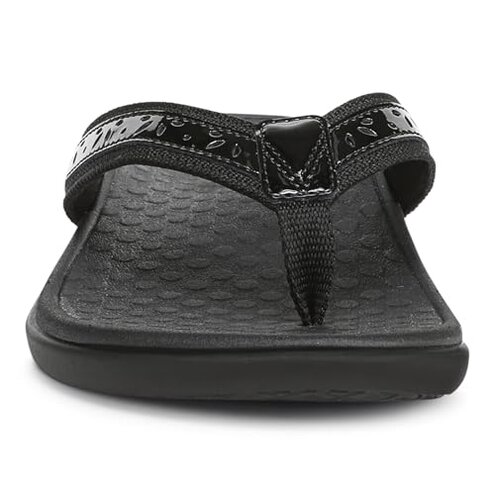
- Choose softer footbeds if you are orthotic-new, because that reduces the first-day pain risk seen here.
- Pick adjustable straps to manage swelling and sliding, which helps prevent the rubbing pattern during long walks.
- Prioritize true half sizes if you are between sizes, because this product’s fit can feel less forgiving.
- Check outsole wear feedback for your terrain, because heavy walkers report faster wear when used as a daily pair.
- Buy from easy-return sellers, because the most common fix attempt is size swapping.
The bottom line
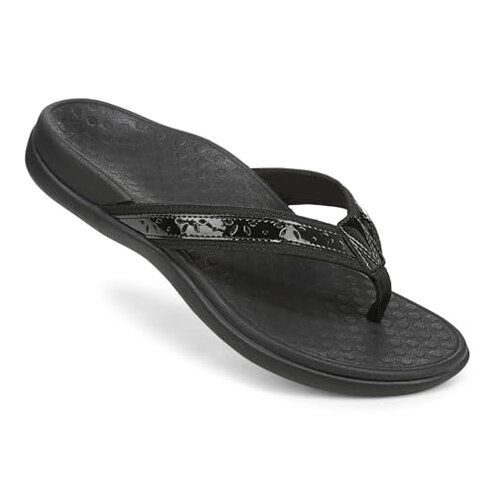
Main regret comes from buying “support” and getting arch pain during normal daily wear.
Category risk feels higher than normal because the shape is less forgiving of sizing and foot type than typical mid-range sandals.
Verdict: avoid if you want instant comfort or hate returns, and consider only if you already know you like firm orthotic-style support.
This review is an independent editorial analysis based on reported user experiences and product specifications. NegReview.com does not sell products.