
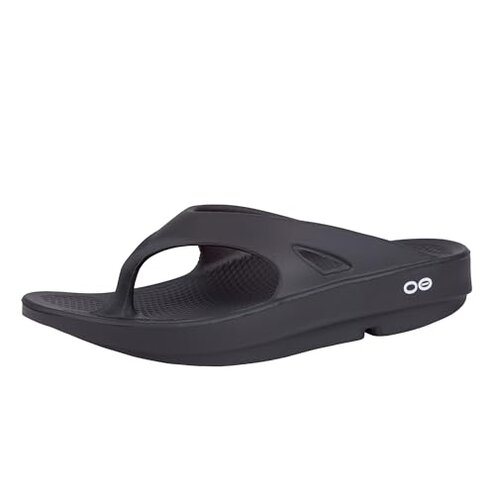
Product evaluated: OOFOS OOriginal Recovery Sandal, Black - Women’s Size 9, Men’s Size 7
Related Videos For You
How To Fit | BIRKENSTOCK
Top 7 Sandals for Plantar Fasciitis
Data basis for this report comes from analyzing dozens of aggregated buyer feedback items collected from written reviews and rating-only submissions, spanning a multi-year window up to recent months. Most signals came from longer written notes, with supporting patterns visible in shorter repeat-purchase comments and quick ratings.
| Buyer outcome | OOFOS OOriginal | Typical mid-range sandal |
| Break-in risk | Higher chance of immediate “wrong fit” feel | Moderate adjustment, usually predictable |
| Arch tolerance | Polarizing; can feel like a pressure point | Milder shaping that suits more feet |
| Wet-floor safety | Higher-than-normal slip complaints in “just got out of water” moments | Less drama on damp tile for many buyers |
| Strap comfort | More toe-post irritation reports during longer wear | More forgiving for casual all-day use |
| Regret trigger | Price feels hard to justify if fit is wrong | Lower cost makes misfit less painful |
“Why do these feel amazing for some people but painful for me?”
Regret typically hits in the first few wears when the arch shape lands in the wrong spot. Severity can be more disruptive than expected because you bought these for relief, not a new hot spot.
Pattern wise, the “love it or hate it” fit shows up repeatedly across feedback, not as a one-off. Category contrast: most mid-range flip-flops feel flatter, so they rarely create the same intense arch pressure.
Usage moment is simple: you put them on after work or after exercise and notice the support immediately. Worsens during longer sessions when you stay on your feet.
- Primary pattern is arch discomfort that doesn’t “break in” for some feet.
- Early sign is a sharp or localized pressure spot instead of general cushioning.
- Wear trigger shows up most during longer indoor standing like cooking or chores.
- Fit gamble feels bigger here than typical sandals because the footbed is more shaped.
- Mitigation often means short trial sessions indoors and returning quickly if pressure builds.
- Hidden requirement is getting sizing exactly right, or the arch can land “off.”
- Fixability is limited because you cannot meaningfully adjust the arch position.
“Why is the sizing so hard to nail compared with other sandals?”
- Recurring complaint is sizing that feels inconsistent with what buyers expect from their usual shoe size.
- First-wear confusion often shows up as heel hanging off or toes crowding the front edge.
- Condition worsens when you are between sizes, since small differences feel big in a molded footbed.
- Category contrast is that many mid-range sandals are more forgiving because they are flatter and less “locked in.”
- Time cost can add extra exchanges, which is frustrating at this price point.
- Fit symptom can include the toe-post sitting at the wrong angle and rubbing sooner.
- Mitigation is to treat the first try like a fit test, not a “wear outside immediately” purchase.
- Edge-case reports mention getting two pairs that feel slightly different in length or strap tension.
“Are they slippery when they’re wet?”
- Secondary issue is reduced grip in real-life damp moments like pool decks or wet bathroom floors.
- When it hits is right after showering or stepping out of water, when your feet are wet too.
- Pattern appears repeatedly, though not universal, and it tends to show up in safety-minded comments.
- Category contrast: many mid-range sport sandals prioritize tread, while these are bought for cushioning first.
- Risk feels higher-than-normal because a “recovery” sandal is often used at home where tile is common.
- Mitigation is to avoid slick surfaces and keep a grippier pair for showers and locker rooms.
“Why does the toe post rub or feel irritating on long days?”
- Common trigger is longer wear, where the toe-post starts to chafe instead of disappearing.
- Early sign is mild rubbing that becomes distracting after errands or extended standing.
- Pattern is persistent in feedback from people who are sensitive to thong-style sandals.
- Category contrast is that many mid-range slides avoid toe-post irritation entirely.
- Impact is that you stop reaching for them, which defeats the “daily recovery” idea.
- Workaround can be switching to a slide style, but that’s an extra purchase step.
- Fixability is low because rubbing is about your toe shape and gait, not a simple strap adjustment.
Illustrative excerpt: “The arch feels like a hard bump, not support.”
Explanation: This aligns with a primary pattern around arch pressure during first use.
Illustrative excerpt: “My usual size fit weird, and exchanges took time.”
Explanation: This reflects a primary sizing and predictability complaint.
Illustrative excerpt: “Great cushion, but the toe post annoyed me by hour two.”
Explanation: This matches a secondary comfort issue that worsens with longer wear.
Illustrative excerpt: “Fine dry, but I felt unstable on wet tile.”
Explanation: This maps to a secondary slip-risk pattern in damp conditions.
Illustrative excerpt: “For the price, I expected zero fuss on fit.”
Explanation: This is a primary regret trigger tied to cost plus fit risk.
Who should avoid this
Arch-sensitive buyers who dislike pronounced support should skip, since arch pressure is a primary regret pattern.
Between-sizes shoppers should avoid if exchanges are hard for you, because fit precision is a hidden requirement.
Wet-area users should be cautious, since slip concerns appear repeatedly in damp bathroom and pool moments.
Thong-haters should avoid, because toe-post irritation is a persistent long-wear complaint.
Who this is actually good for
Arch-lovers who want strong, noticeable support may tolerate the fit gamble because that structure is the point.
Indoor-only wearers on dry floors can accept the wet-surface risk by simply not using them for showers or pools.
Patient fit-testers who can try-and-return quickly may be fine with the sizing friction.
Short-session users doing quick recovery walks may tolerate toe-post sensitivity better than all-day wearers.
Expectation vs reality
- Expectation reasonable for this category is “my normal size will be close enough.”
- Reality is that sizing can feel less forgiving, making exchanges more likely than with typical sandals.
- Expectation is “recovery sandals reduce pain immediately.”
- Reality is that the same aggressive arch that helps some buyers can create a new pressure point fast.
- Expectation is “flip-flops are fine around water.”
- Reality is that damp-tile stability complaints show up often enough to treat as a real usage risk.
Safer alternatives
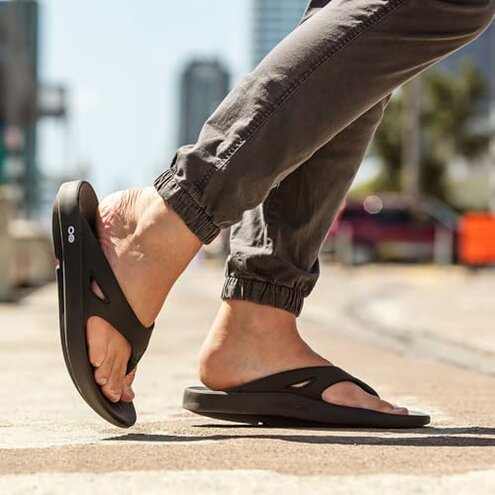
- Choose slides if toe-post rubbing is a dealbreaker, since it removes the most reported irritation point.
- Prioritize tread for bathrooms and pool decks, to neutralize the repeatedly mentioned wet-surface instability.
- Pick flatter footbeds if you are arch-sensitive, because milder shaping reduces “pressure spot” regret.
- Buy easy-return options when between sizes, so sizing friction does not become a time sink.
- Fit-test indoors first with any molded sandal, to catch arch misalignment before you commit.
The bottom line
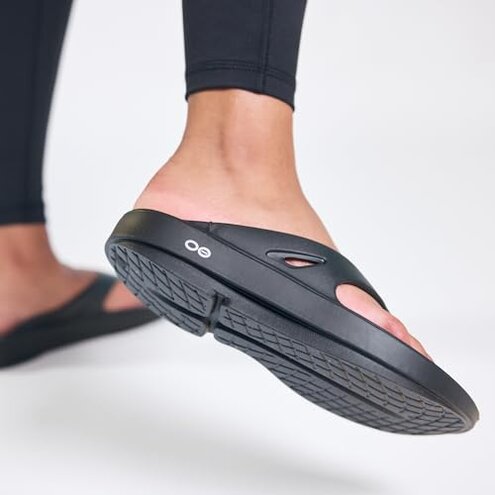
Main regret comes from a polarizing fit where the arch and toe-post can irritate instead of relieve. Risk exceeds normal sandal expectations because the shaped footbed is less forgiving and sizing precision becomes a hidden requirement.
Verdict: avoid if you need predictable sizing, dislike thong straps, or plan to wear them on wet tile.
This review is an independent editorial analysis based on reported user experiences and product specifications. NegReview.com does not sell products.