
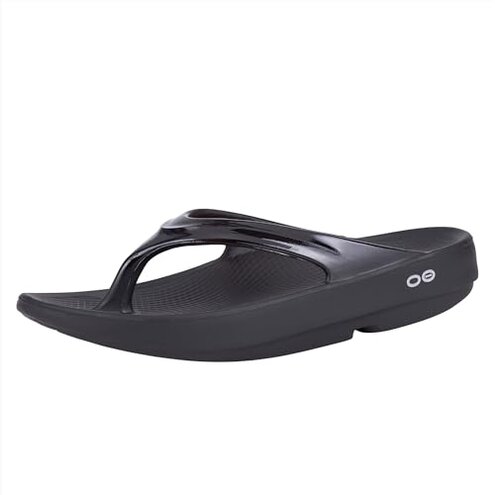
Product evaluated: OOFOS OOlala Recovery Sandal, Black - Women’s Size 8
Related Videos For You
YOU WERE RIGHT ABOUT THESE! HOKA ORA Recovery 3 Slides Review!
How To Clean Birkenstocks Footbeds
Data basis Dozens of buyer reviews and demonstration posts were analyzed for patterns collected from Jan 2015 to Feb 2026, with most feedback from written reviews and supported by video demonstrations and customer Q&A.
| Outcome | OOFOS OOlala | Typical Mid-range Sandal |
|---|---|---|
| Fit consistency | Inconsistent — sizing drift and half-size guidance commonly reported. | Predictable — most alternatives use standard sizing charts. |
| Cushion longevity | Degrades sooner — wear appears after repeated use in many reports. | More durable — mid-range foams usually hold shape longer. |
| Thong comfort | Mixed — toe-post discomfort appears during long sessions for several buyers. | Better padding — alternatives often use softer straps or wider bands. |
| Grip & stability | Slippery risk — traction problems seen in wet or tiled conditions. | Lower risk — textured soles are common in the category. |
| Regret trigger | Sizing mismatch — a wrong size often causes returns or kept-but-unused purchases. | Smaller regret — fit problems are less frequent for typical brands. |
Why does the size feel wrong for many buyers?
Regret moment You order your normal size and the sandal fits too small or too large, which often ruins the first wear.
Pattern seen This is a recurring issue, commonly reported across written reviews and buyer posts.
Usage anchor The mismatch appears at first use and becomes more obvious during long walks or standing sessions.
Category contrast This feels worse than typical because most mid-range sandals require only minor size adjustments, while these require a clear half-size rule that many buyers miss, creating avoidable returns.
Does the cushion lose support after a few months?
- Early signs Cushion feels noticeably softer after repeated daily wear, a pattern commonly reported.
- Frequency tier This is a primary issue for many buyers, appearing sooner than expected for this price tier.
- When it appears The loss becomes obvious after weeks to months of regular use, not years.
- Impact Reduced support changes gait and may bring back foot fatigue for users seeking recovery footwear.
- Fixability Replacement or buying a backup adds extra cost and time compared to mid-range alternatives.
Is the toe-post or strap uncomfortable?
- Initial feel Some buyers report a sharp pinch or rub right away, a secondary but persistent pattern.
- Worsening Discomfort increases during long wear like day trips or long shifts on feet.
- Cause The thong design concentrates pressure at the toe, unlike wider strap designs in other sandals.
- Impact Causes blisters or soreness that affect day-to-day comfort for susceptible users.
- Attempts Buyers tried padding or breaking in the strap with mixed success, so fixes are partial at best.
- Hidden requirement Accurate sizing and break-in time are often necessary to reduce this discomfort, a step many shoppers skip.
Will you notice slip, odor, or other daily-use issues?
- Traction Slippery feel on wet tiles is reported by multiple users, a secondary but safety-relevant pattern.
- Environment anchor The risk is higher when surfaces are wet, sandy, or tiled after rain or pool use.
- Odor Some buyers note smell after extended use, usually reported alongside heavy daily wear.
- Cleaning The product is machine washable, but cleaning adds extra effort compared with easy-dry alternatives.
- Frequency These issues are less frequent than sizing problems but more frustrating when they occur during daily use.
- Impact Slips or bad odor reduce confidence in wearing them as everyday recovery footwear.
- Workaround Buyers sometimes use grip-enhancing sprays or extra washing, which adds time and cost.
Illustrative buyer voice excerpts
Excerpt "Ordered my normal size and it felt like two sizes off on first walk." — illustrative; primary pattern.
Excerpt "Sole softened after two months, not what I expected for recovery shoes." — illustrative; primary pattern.
Excerpt "Thong rubbed my toes during my shift, padding didn't help much." — illustrative; secondary pattern.
Who should avoid this
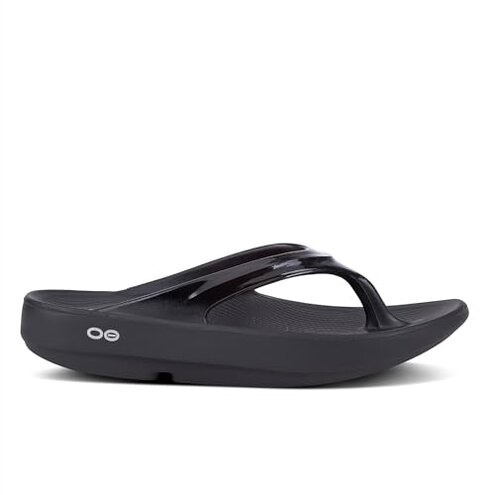
- Buyers needing precise fit Avoid if you need consistent sizing for daily use, because sizing mismatch is a common regret trigger.
- Long-distance walkers Avoid if you walk long daily distances, because cushioning may degrade sooner than expected.
- Sensitive toes Avoid if you are prone to toe chafing, since the thong can concentrate pressure and cause soreness.
Who this is actually good for
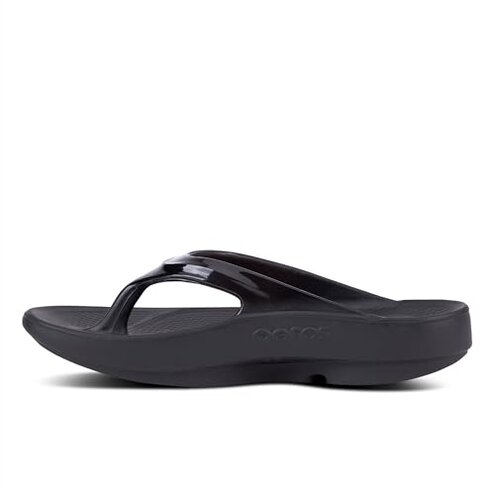
- Short-use recovery Good for brief post-workout recovery sessions where cushioning feel is desired despite possible long-term wear.
- Machine-wash needs Good for buyers who prioritize machine-washable footwear and accept extra cleaning as trade-off.
- Casual home wear Good for at-home lounging or light errands where traction and half-size fit are less critical.
Expectation vs reality
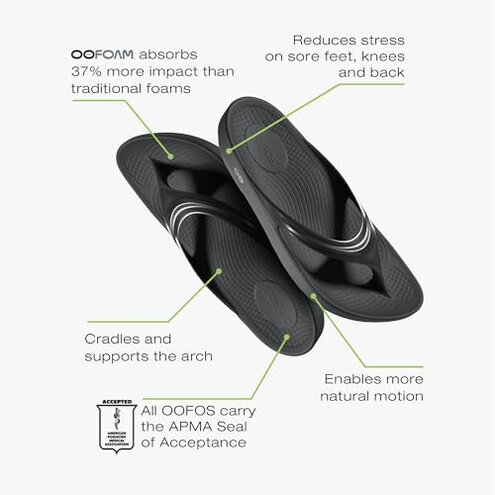
Expectation Reasonable for this category: most recovery sandals keep consistent cushioning for months.
Reality These sandals often show noticeable softening after repeated daily wear, a worse-than-expected durability outcome.
Expectation You can order your normal size and expect a standard fit.
Reality Size guidance differs; many buyers must size up or down, which increases returns and wasted time.
Safer alternatives
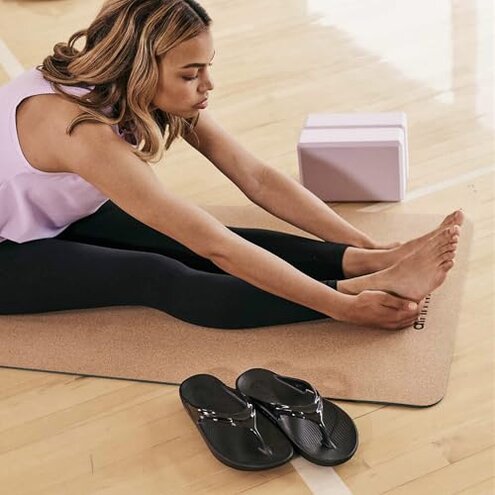
- Confirm sizing Use the brand size chart and check community sizing notes before buying to neutralize the fit risk.
- Buy backup Keep a second pair if you rely on long-term cushioning to prevent gaps when foam softens.
- Choose closed strap Prefer sandals with wider straps if you are sensitive to thong rubbing to avoid toe chafing.
- Check traction Look for textured or lugged soles for wet-surface grip to reduce slip risk.
- Plan cleaning Expect to wash occasionally and budget extra care time to control odor and upkeep.
The bottom line
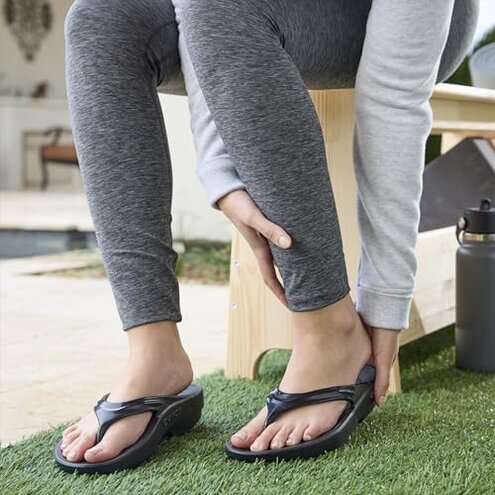
Main regret The primary regret trigger is inconsistent sizing that leads to returns or unused purchases.
Risk level This exceeds normal category risk because the required half-size adjustments are not intuitive and many buyers miss them.
Verdict Avoid if you need reliable fit, long-lasting cushioning, or have sensitive toes; consider alternatives with steadier fit and traction.
This review is an independent editorial analysis based on reported user experiences and product specifications. NegReview.com does not sell products.