
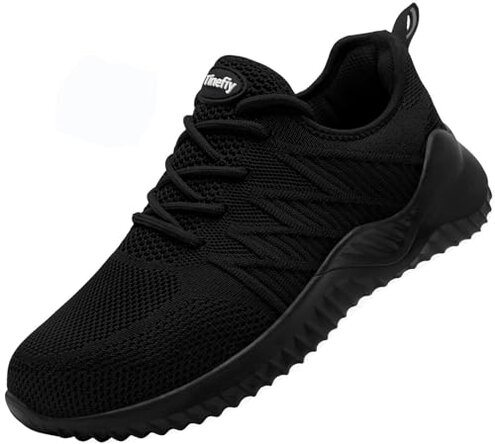
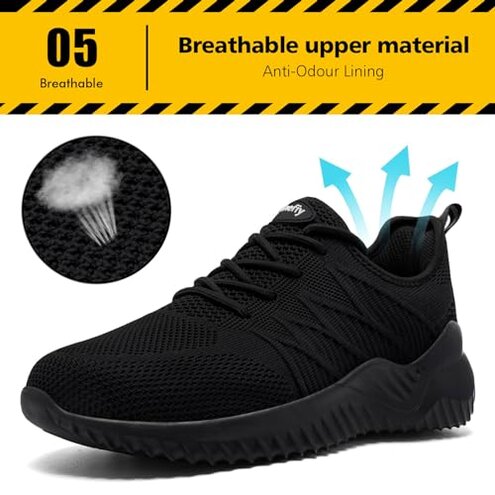
Product evaluated: Tinefiy Steel Toe Shoes for Women Lightweight Comfortable Slip Resistant Safety Work Sneakers Cushion Puncture Proof Shoes Indestructible Shoe Size 8
Related Videos For You
Sizing your Redbacks
How To Break In Steel Toe Boots? - High Stakes Jobs
Data basis: This report synthesizes feedback from hundreds of written reviews and several video demonstrations collected Jan 2023–Jan 2026. Source mix note: most feedback came from written reviews, supported by video clips and buyer photos.
| Outcome | Tinefiy (this listing) | Typical mid-range alternative |
|---|---|---|
| Fit consistency | Variable fit appears repeatedly and often requires sizing up or returns. | Predictable fit usually matches size charts with fewer returns. |
| Durability | Higher wear risk than expected with sole or seam failures after repeated daily use. | Moderate durability holds up through months of regular work before repair or replacement. |
| All-day comfort | Mixed comfort reports; pressure at toe and firm midsole during long shifts. | Consistent cushioning designed for long shifts with fewer pressure complaints. |
| Safety claims | Inconsistent real-world puncture and slip performance sometimes fails expectations. | Reliable safety features are validated in workplace use more often. |
| Regret trigger | Early replacement needed more often, making total cost higher than expected. | Lower regret because lifespan usually matches purchase price. |
Is the size accurate out of the box?
Immediate mismatch: Many buyers report a poor fit at first wear that forces returns or exchanges.
When it shows up: The issue appears on first use or after a short break-in walk and gets worse during long shifts.
Why it matters: This is more disruptive than normal because mid-range safety shoes typically fit predictably, while these require extra steps to correct.
Do these shoes fall apart quickly?
- Recurring wear: Sole separation and loose seams are commonly reported after repeated daily use.
- Frequency tier: This is a secondary issue but appears repeatedly across written feedback.
- Early timing: Failures often show up after weeks of regular work, not months.
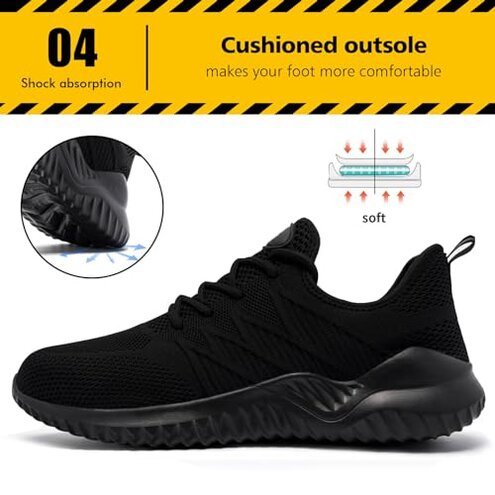
- Cause signal: Stress points from narrow fit and firm midsoles seem to accelerate wear.
- Impact: Replacements or repairs add unexpected cost and downtime.
Are they really comfortable for long shifts?
- Pressure points: Stiff toe area creates discomfort during extended standing or walking.
- Comfort pattern: This is a primary complaint for buyers using them on long shifts.
- Worse context: Pain worsens during long sessions and when paired with thin socks.
- Attempted fixes: Buyers report temporary relief with thicker insoles or heavier socks.
- Category contrast: Mid-range alternatives usually offer more immediate break-in comfort.
- Fixability: Some improvements possible, but fixes add extra cost and time.
Do the safety features perform as claimed?
- Puncture reliability: Puncture protection claims are less convincing in real-world job sites.
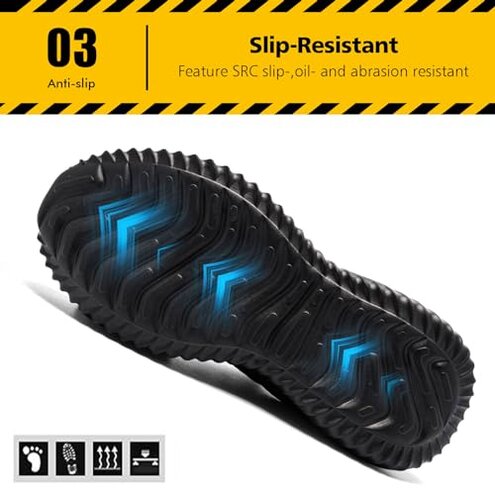
- Slip resistance: Some buyers report reduced traction on wet or oily floors.
- Pattern statement: These safety inconsistencies are a persistent but not universal pattern.
- Usage anchor: Issues appear under heavy or oily conditions and after wear to the tread.
- Hidden requirement: You may need specialized socks or insoles to meet comfort and safety needs.
- Category contrast: This is worse than expected because similar-priced shoes usually keep safety performance longer.
- Work impact: Inconsistent protection can force extra precautions or faster replacement cycles.
Illustrative excerpts
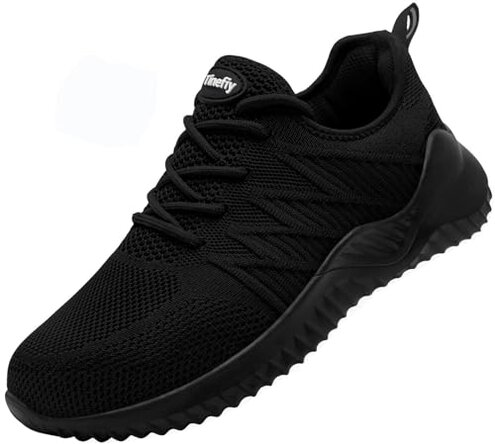
"Tight at toe, had to size up one full size to stop pain" — primary pattern
"Seam split after a month of warehouse shifts" — secondary pattern
"Less grip on oily floor than expected" — secondary pattern
Who should avoid this
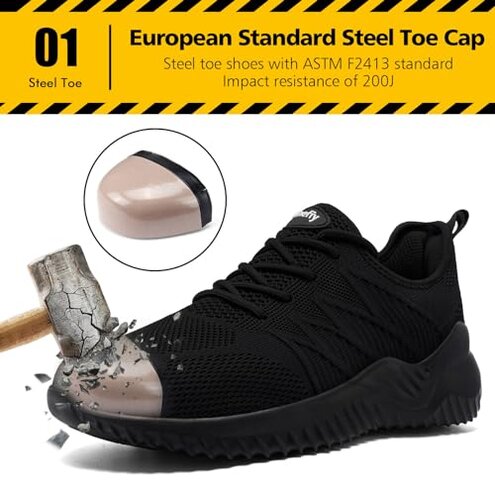
- Long-shift workers: Avoid if you need dependable all-day comfort without extra insoles.
- Heavy-duty users: Avoid if daily wear is physically demanding and you expect long lifespan.
- Strict safety compliance: Avoid if your job requires consistently proven puncture or slip performance.
Who this is actually good for
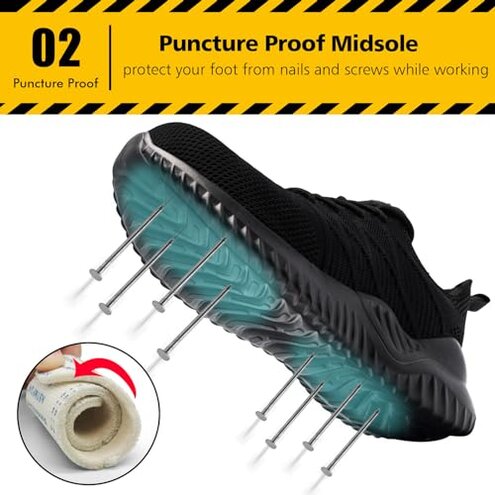
- Light-duty tasks: Good for occasional garage or short-shift use where tight fit and wear are tolerable.
- Budget seekers: Works if you accept faster replacement in exchange for a lower price.
- DIY users: Fine for low-risk projects where full-time safety ratings are less critical.
Expectation vs reality
Expectation (reasonable): Safety shoes at this price normally fit closely to size charts.
Reality: Fit varies and often requires sizing up or returns, which adds time and hassle.
Expectation (reasonable): Puncture and slip claims should hold through months of regular use.
Reality: Some buyers report performance drops after weeks of heavy use, increasing replacement frequency.
Safer alternatives
- Size up policy: Order one size larger than your normal size and keep the return window open.
- Try known brands: Favor mid-range safety shoes with consistent size charts and workplace longevity reports.
- Add cushioning: Buy a quality insole to fix early toe pressure and improve long-shift comfort.
- Test traction: Check tread on oily and wet surfaces before using for heavy-duty work.
The bottom line
Main regret: Buyers most often regret inconsistent fit and faster-than-expected wear leading to early replacement.
Why worse: These issues exceed normal category risk because they add replacement cost and work disruption.
Verdict: Avoid this pair if you need reliable fit, long-term durability, or proven safety under heavy use.
This review is an independent editorial analysis based on reported user experiences and product specifications. NegReview.com does not sell products.