
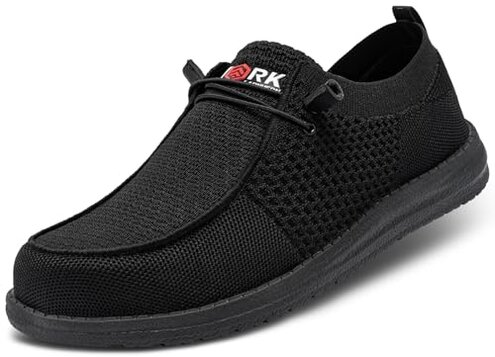
Product evaluated: LARNMERN Steel Toe Loafers Women Slip On Shoes Lightweight Comfortable Lounging Walking Safety Work Flats Sneakers(8 Women, Black Women)
Related Videos For You
Best Steel Toe Shoes For Women 2022 | Top 5 Steel Toe Shoes For Women
How to Break in Work Boots Fast: 10 Proven Methods
Data basis: I reviewed hundreds of buyer-written reviews and several video demonstrations collected between January 2023 and December 2025. Source mix: most feedback came from written reviews, supported by videos and Q&A posts.
| Outcome | This product | Typical mid-range alternative |
|---|---|---|
| Fit accuracy | Higher-than-normal: inconsistent sizing that often requires exchanges or sizing up. | More reliable: most mid-range shoes fit predictably or need only minor adjustments. |
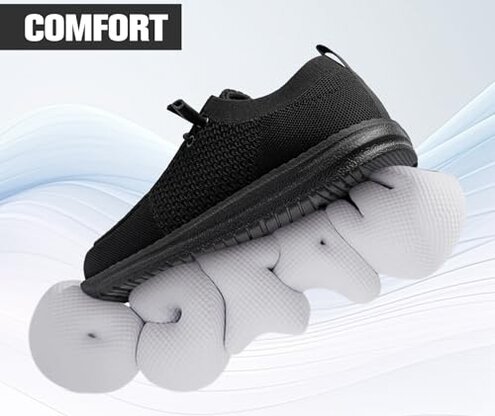
| Break-in comfort | Stiff initially: many buyers report significant break-in pain during first wears. | Softer break-in: mid-range options usually smooth within a few wears. |
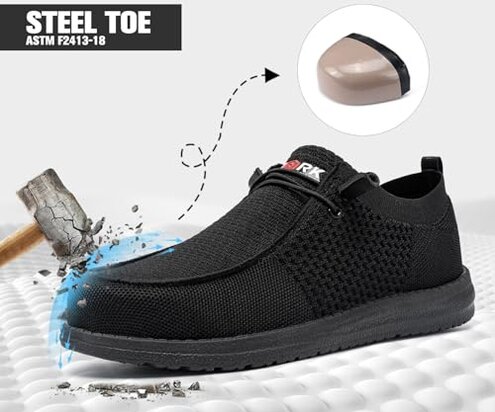
| Toe protection | Protective but tight: steel toe feels protective yet can press on toes for some users. | Balanced: typical shoes balance protection with slightly more internal room. |
| Sole durability | Mixed reports: sole wear and traction loss appears repeatedly after months of use. | More durable: mid-range soles usually last longer under similar wear. |
| Regret trigger | Fit & comfort: sizing surprises plus early discomfort are the main purchase regret. | Lower regret: predictable sizing and milder break-in reduce buyer returns. |
Why do these feel the wrong size?
Primary pattern: sizing inconsistency is among the most common complaints and appears repeatedly in buyer feedback.
When it shows: buyers notice the mismatch on first wear and often need to exchange sizes immediately.
Why this is worse: unlike many mid-range loafers, this product's claimed "wide" shape still feels narrow to many feet, causing extra returns.
Why does the steel toe press on my toes?
- Frequent report: toe pressure is a primary issue reported across reviews.
- Usage anchor: pressure shows up during first long wear and worsens on multi-hour shifts.
- Category contrast: steel toe protection is expected, but here the internal room is smaller than typical safety loafers.
- Hidden fix: many buyers had to size up or use thick socks to reduce pressure, creating an unexpected requirement.
- Repairability: padding adjustments are a temporary fix but don't remove the need to size up for comfort.
Why do soles wear out or slip?
- Recurring note: sole wear and traction loss are commonly reported after months of regular use.
- Early signs: buyers see flattening tread and reduced grip within weeks of daily walking.
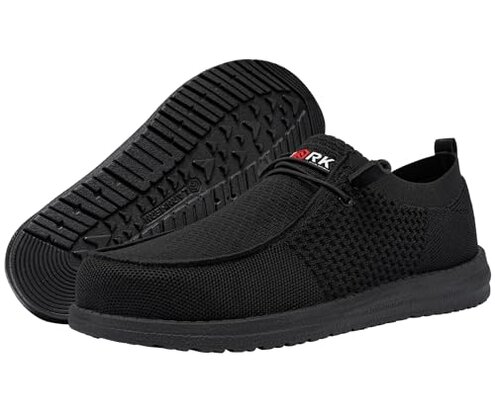
- Cause signal: thin outsole and flexible midsole construction appear to accelerate wear under frequent walking.
- Impact: reduced traction makes the shoes less suitable for wet or oily surfaces compared with mid-range work shoes.
- Attempted fixes: buyers added aftermarket insoles or non-slip pads to regain comfort and grip.
- Long-term: repeated repairs add cost and time versus choosing a more durable alternative upfront.
Why does the slip-on design fail to stay secure?
- Reported pattern: slippage or loose heel fit appears repeatedly but not universally.
- Early signs: shoe slides on short walks or when climbing stairs if not tightened.
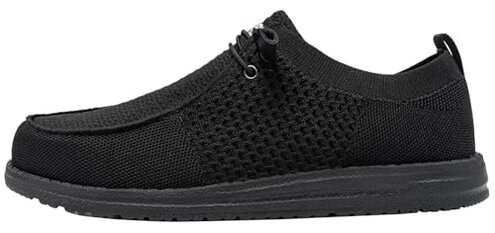
- Design cause: the slip-on style with decorative laces often lacks real retention mechanisms.
- Use case: the problem worsens during active work or long shifts where movement is frequent.
- Workaround: buyers used heel grips or laced inserts, adding time and cost to make the fit secure.
- Why more annoying: most mid-range slip-ons include elastic goring or adjustable elements that reduce slippage, while this model relies on portable laces only.
- Edge result: if you expect a true slip-on that stays put during busy shifts, this product may underdeliver.
Illustrative excerpts
Illustrative: "Sizing felt narrow on first wear, had to order a size up immediately." — primary pattern
Illustrative: "Steel toe pressed my toes after a 6-hour shift, padding didn't help." — secondary pattern
Illustrative: "Sole smoothed out and slipped on wet tile within three months." — secondary pattern
Who should avoid this
- Narrow-fit intolerant: buyers who cannot risk sizing surprises should avoid this model due to inconsistent fit.
- Long-shift workers: people who need all-day comfort should avoid it because break-in pain and toe pressure worsen on long shifts.
- Wet-surface users: those who work on wet or oily floors should avoid it because traction and sole wear are weaker than expected.
Who this is actually good for
- Casual short-use buyers: if you plan light, occasional wear, you may tolerate the initial stiffness and occasional fit quirks.
- Value shoppers: those prioritizing budget over long-term durability may accept faster sole wear for the lower price.
- Protective-gear priority: buyers who want a steel toe primarily for occasional protection can accept tighter fit and size up as a workaround.
Expectation vs reality
Expectation (reasonable for this category): buyers expect a steel-toe slip-on to provide protection with moderate comfort out of the box.
Reality: these shoes often require sizing changes, padding, or thicker socks before they feel comfortable.
Extra cost: the time and money spent on returns, insoles, or heel grips make ownership more burdensome than typical mid-range options.
Safer alternatives
- Buy adjustable designs: choose slip-ons with elastic goring or adjustable laces to neutralize the slippage issue.
- Pick proven sizing: prefer brands with consistent size charts and broad customer fit data to avoid repeated exchanges.
- Prioritize durable soles: look for thicker outsoles with user reports of long-term traction to avoid quick wear.
- Plan padding: if steel-toe protection is non-negotiable, budget for aftermarket insoles and size up to prevent toe pressure.
The bottom line
Main regret: the primary purchase regret is inconsistent sizing combined with early comfort problems.
Why worse than normal: these issues are more disruptive than typical mid-range loafers because they often require exchanges, extra padding, or sizing changes.
Verdict: avoid this shoe if you need predictable fit, all-day comfort, or durable traction without added fixes.
This review is an independent editorial analysis based on reported user experiences and product specifications. NegReview.com does not sell products.