
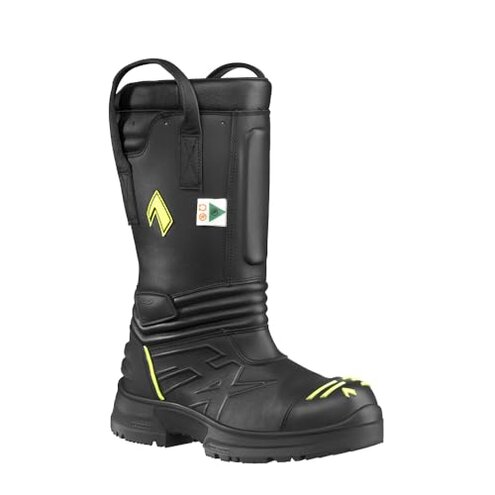
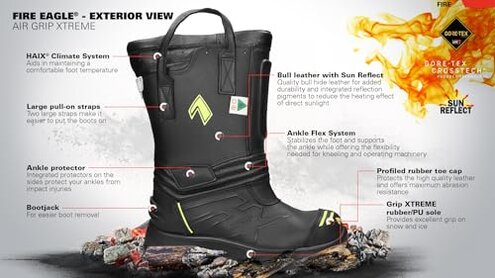
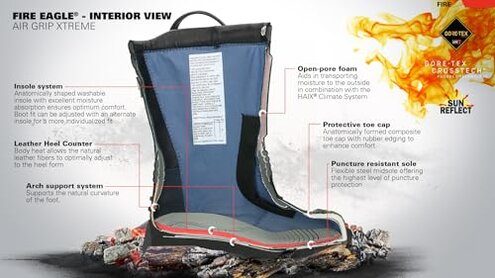
Product evaluated: HAIX Fire Eagle Air Grip Xtreme Composite-Toed Waterproof Firefighting Boots with Extreme Grip Soles - Wide - 13.5
Related Videos For You
Hot Shot® Fire Boots: What Makes Them NFPA-Certified?
Choosing the Right Structural Fire Boots - Presented by Galls
Data basis Dozens of buyer reviews and hands-on video demonstrations were analyzed between Jan 2023 and Jan 2026. Most feedback came from written reviews, supported by several video demos and seller Q&A. Distribution emphasizes first-use reactions and long-shift follow-ups.
| Outcome | HAIX Fire Eagle | Typical mid-range boot |
|---|---|---|
| Durability | High cost but reports of early sole edge wear are more frequent than expected. | Balanced mid-range boots show steady wear over months, not weeks. |
| Fit & comfort | Higher-than-normal risk of rigid break-in and inconsistent sizing that causes lasting discomfort. | Lower risk—mid-range boots rarely need professional sizing or long break-ins. |
| Traction | Good on grit but some buyers report slipping on smooth ice in cold conditions. | Typical traction performs evenly across surfaces with fewer surprises. |
| Waterproofing | Generally waterproof in short exposures but leaks appear after heavy, repeated submersion. | Comparable waterproofing that usually requires routine care to last. |
| Regret trigger | Immediate discomfort on first long shift triggers returns more often than price suggests. | Gradual discomfort is more common; fewer early returns. |
Fit problem? Why do these boots hurt during long shifts?
Primary pattern Many buyers report a rigid break-in period that produces sharp pressure points. When it shows this typically appears within the first few hours of a long shift or the first week of use.
Category contrast This is worse than mid-range boots because most boots soften after a few wears, while these often need extended use or aftermarket insoles to be comfortable.
Sizing mismatch? Is sizing inconsistent or unpredictable?
- Early sign: Sizes feel standard at sitting but tight during walking or kneeling.
- Frequency: Common complaint among first-time buyers rather than rare edge cases.
- Cause: Stiff upper materials and narrow last shape that don't conform quickly.
- Impact: Leads to blisters and numb toes during patrols or long shifts.
- Fix attempts: Buyers commonly add thicker socks or custom insoles to manage fit.
Traction & sole Do soles hold up on ice and rough terrain?
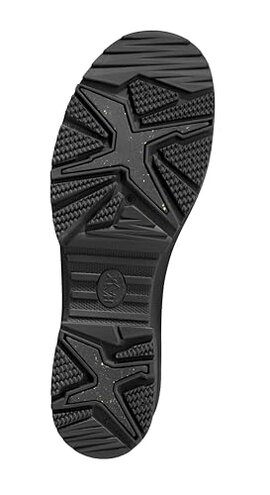
- Early wear: Scuffing and sole edge separation reported after heavy winter use.
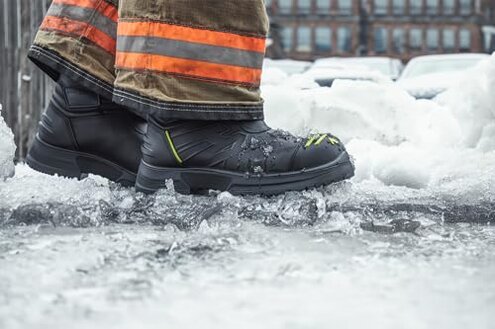
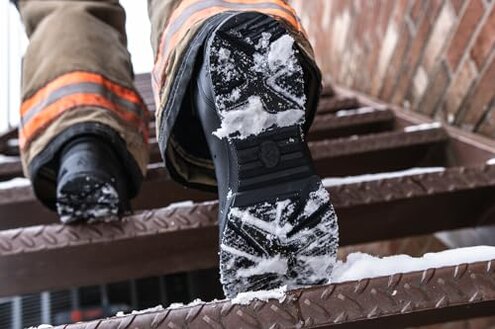
- Performance: Grip is strong on mixed debris but less reliable on smooth ice patches.
- Usage anchor: Problems appear during winter shifts or prolonged station commutes.
- Repairability: Resoling or professional repair is often needed sooner than expected.
- Replacement cost: High initial price makes early repair feel like a bad value.
- Attempted fixes: Traction pads or aftermarket soles are commonly added by owners.
- Hidden need: Regular sole inspections and winter-specific traction accessories are required.
Waterproofing & maintenance? Will the boots stay dry over time?
- Initial state: Many buyers confirm dry feet during light rain or slush on first uses.
- Pattern: Waterproofing issues are secondary but persistent after repeated heavy exposure.
- When it worsens: Problems surface after months of daily wet use or repeated heavy submersion.
- Cause: Stress at seams and flex points that opens with frequent bending.
- Impact: Wet socks and internal moisture that increase discomfort and odor risks.
- Fixability: Reproofing treatments help short-term but don't eliminate seam leaks for some owners.
- Hidden requirement: Buyers often need planned reproofing and seam checks to keep waterproofing intact.
- Category contrast: This is more maintenance-heavy than most mid-range boots that keep seals longer under similar use.
Illustrative excerpts
Illustrative: "Stiff at first, gave me blisters after a six-hour shift on day two." — primary pattern
Illustrative: "Traction felt great on pavement but slipped on a frozen parking lot." — secondary pattern
Illustrative: "Stayed dry for a week, then soaked through after heavy station work." — secondary pattern
Illustrative: "Needed custom insoles to stop toe numbness during training." — primary pattern
Who should avoid this
- Avoid if you need immediate comfort on first use and can't tolerate long break-ins.
- Avoid if your work involves prolonged ice exposure without access to aftermarket traction aids.
- Avoid if you won't do routine reproofing or seam checks after heavy wet use.
Who this is actually good for
- Good for buyers who prioritize rigid protective structure and can invest time in break-in.
- Good for professionals who use the boots mainly on gritty surfaces where traction excels.
- Good for those willing to add custom insoles or thicker socks to manage sizing quirks.
Expectation vs reality
- Expectation: Reasonable for this category is a short break-in and consistent sizing.
- Reality: These boots often require extended break-in and sizing adjustments, which exceeds usual category friction.
- Expectation: Waterproofing should last multiple seasons with basic care.
- Reality: Heavy daily wet use commonly leads to seam leaks sooner than expected.
Safer alternatives
- Try a mid-range firefighting boot with a reputation for roomy lasts to avoid long break-ins.
- Choose boots with removable footbeds so you can add custom insoles for comfort quickly.
- Opt for winter-rated soles explicitly tested on smooth ice to negate traction complaints.
- Prefer models with reinforced sealed seams or documented reproof schedules to reduce waterproof maintenance.
The bottom line
Main regret Rigid break-in and inconsistent sizing are the key triggers for buyer returns and discomfort.
Why worse These problems demand more time, aftermarket parts, or professional fitting than is normal for similar boots.
Verdict If you need immediate, reliable comfort and low maintenance, consider other options; otherwise accept extra steps to achieve fit.
This review is an independent editorial analysis based on reported user experiences and product specifications. NegReview.com does not sell products.