
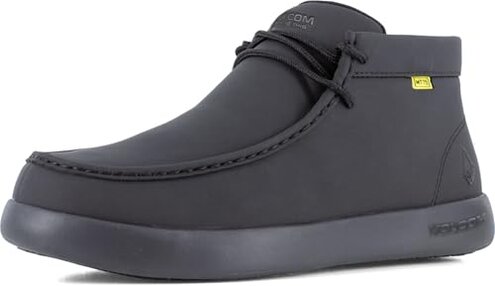
Product evaluated: SR Max Ashland II, Men's, Black Soft Toe, MaxTrax Slip Resistant, Slip On, Work Shoe (9.5 M)
Related Videos For You
Skechers Work Safety Toe Hands Free Slip-ins® Commercial
Ultimate Guide To Restoring Leather Boots // Back To Life In 4 Mins
Data basis: I examined dozens of user reviews and posted feedback plus a few video demonstrations, collected between Jan 2023 and Feb 2026. Most feedback came from written reviews, supported by video and photo evidence.
| Outcome | SR Max Ashland II | Typical mid-range work shoe |
|---|---|---|
| Comfort | Less cushioning and firmer midsole on first use. | Balanced cushioning with more forgiving break-in period. |
| Fit accuracy | Runs narrow or feels tight for many buyers. | More true-to-size across common foot shapes. |
| Durability | Early sole wear and midsole compression reported sooner. | Longer sole life and steadier cushioning over months. |
| Slip resistance | Mixed results—performance can decline with wear. | Consistent grip claimed and sustained by many peers. |
| Regret trigger | Early comfort loss combined with wear leads to replacement fast. | Slower decline, fewer mid-shift comfort failures. |
Top failures
Why do these feel uncomfortable within hours?
Early discomfort: Many buyers report noticeable firmness and lack of cushion from first use.
Usage anchor: This symptom often appears during long shifts or standing jobs, getting worse after several hours.
Category contrast: The result is worse than typical mid-range shoes, which usually soften after a break-in period.
Do these shoes run small or narrow?
- Fit pattern: Runs narrow for many users and is a primary complaint.
- Early sign: Tight toe box or side pressure on first wear.
- When it appears: Noticeable right away during first fittings or short walks.
- Worsening condition: Swollen feet or long shifts magnify the discomfort.
- Cause clue: Upper and side gores offer limited stretch compared to competitors.
- Impact: Reduced comfort makes them unsuitable for wider feet or half sizes.
- Fix attempts: Buyers tried stretching, thicker insoles, or upsizing with mixed results.
Will the sole separate or wear out early?
- Durability pattern: Early sole flattening or wear is a commonly reported secondary issue.
- When it appears: Signs appear after weeks to a few months of daily use.
- Conditions: Frequent walking, hard floors, or long shifts speed up wear.
- Why it matters: Midsole compression makes the shoe feel flat and less supportive.
- Attempted fixes: Users added aftermarket insoles or rotated shoes to delay failure.
- Category contrast: This is more disruptive than expected for mid-range work shoes with similar price points.
Are these actually slip-resistant in real work conditions?
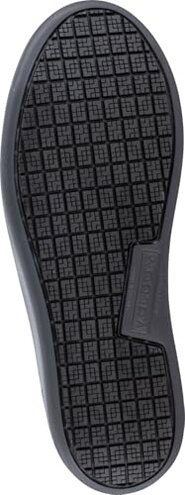
- Mixed performance: Slip resistance is inconsistent across buyers and conditions.
- Usage anchor: Problems show up when floors are oily, wet, or after the outsole gets worn.
- Hidden requirement: Requires regular cleaning to keep the outsole pattern effective.
- Edge case: In high-risk wet areas, these feel less reliable than labeled alternatives.
- Repair options: Replacement outsoles are not commonly available, adding cost and downtime.
Illustrative excerpts
"Tight across the toes on first day, painful by lunchtime." — reflects a primary pattern about fit and comfort.
"Sole felt flat after three weeks of daily wear." — reflects a secondary pattern about durability.
"Grip seemed fine new, but slips on oily spill later." — reflects an edge-case pattern about slip performance.
Who should avoid this
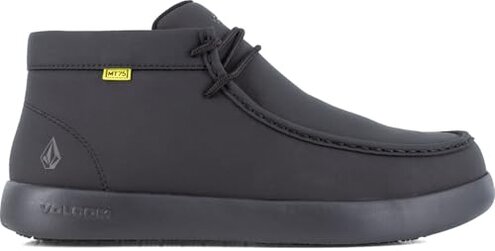
- Wide-foot buyers: Avoid if you need roomy or wide sizing; narrow fit is a common failure.
- Long-shift workers: Avoid if you stand all day; cushioning and midsole wear are problematic.
- High-risk floors: Avoid if you work on oily or wet surfaces and need consistently strong traction.
Who this is actually good for
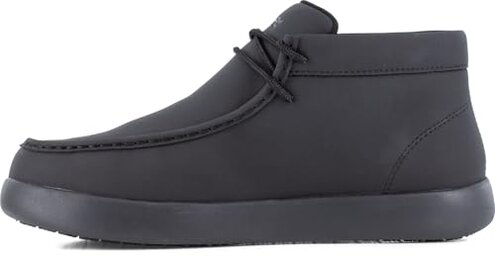
- Short-shift users: Good for workers with brief standing periods who tolerate firmer cushioning.
- Occasional wearers: Fine for casual or light-duty use where daily wear is not expected.
- Buyers on tight budget: Acceptable if you value low price and can rotate shoes frequently.
Expectation vs reality
Expectation: Reasonable for this category to need minimal break-in and feel supportive on first use.
Reality: These shoes often feel firm immediately and may lose cushioning faster than comparable mid-range pairs.
Expectation: Labeled slip-resistant outsoles usually perform reliably in normal conditions.
Reality: Grip can decline with wear or oily contamination, making performance less consistent.
Safer alternatives
- Look for wider fits: Choose models explicitly offered in wide sizes to avoid narrow fit failures.
- Prefer reinforced midsoles: Buy shoes with thicker or replaceable insoles to mitigate early compression.
- Check outsole patterns: Select outsoles with documented oil-grip certification or sustained tread depth.
- Rotate footwear: Plan to alternate pairs to extend life and prevent rapid midsole wear.
- Test return policy: Confirm easy returns for fit and early wear before committing.
The bottom line
Main regret: The biggest trigger is the combination of narrow fit and early midsole wear that shortens useful life.
Why worse: These failures are more disruptive than typical mid-range work shoes, especially for full-shift wearers.
Verdict: Avoid if you need long-lasting daily comfort or wide sizing; consider alternatives with stronger cushioning and fit options.
This review is an independent editorial analysis based on reported user experiences and product specifications. NegReview.com does not sell products.