
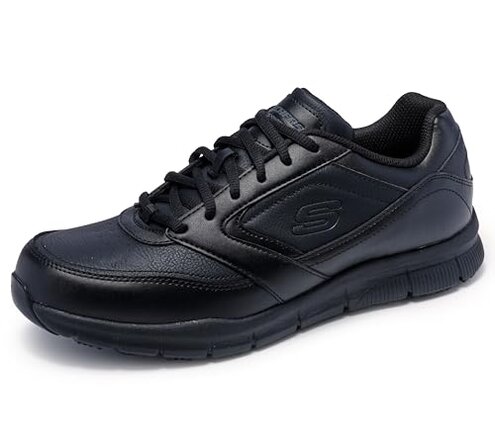
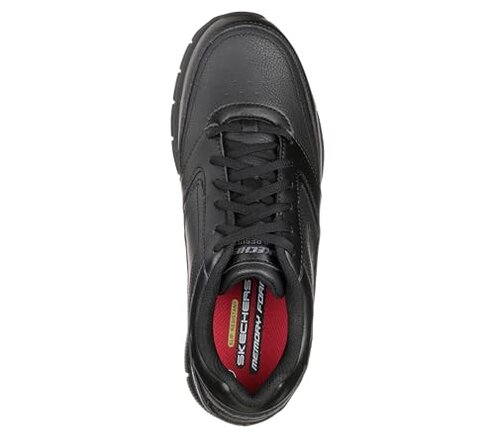
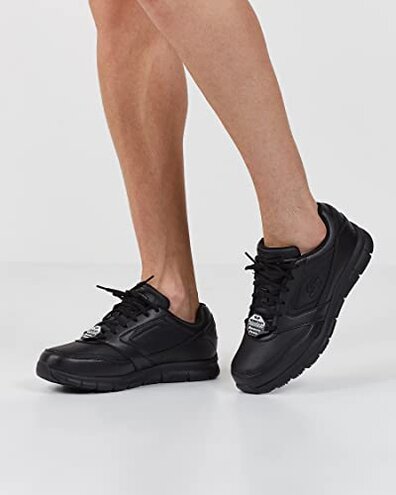
Product evaluated: Skechers Men's Nampa, Black, 10.5
Related Videos For You
BRUNT's Adjustable Width System Explained by Eric Girouard #BRUNT #boots
Skechers Work Shoe Safety Comp Toe Review Memory Foam
Data basis: This report synthesizes feedback from dozens of buyer reviews and multiple short video demonstrations collected between January 2018 and January 2026, with most feedback coming from written reviews supported by video validation.
| Outcome | Skechers Nampa (this product) | Typical mid-range work shoe |
|---|---|---|
| Fit consistency | Inconsistent — commonly reported size variance, needs exchanges more often. | Predictable — most mid-range options match listed sizes reliably. |
| Comfort retention | Degrades — cushioning often flattens after repeated use. | Stable — cushion holds up across months for many competitors. |
| Durability | Higher risk — visible sole or seam wear appears sooner than expected. | Typical — mid-range shoes usually last longer under daily wear. |
| Break-in & care | Longer break-in — some users report initial rubbing and shaping issues. | Shorter break-in — most alternatives are ready sooner with light wear. |
| Regret trigger | Fit + early wear — misfit plus early durability problems cause returns or replacements. | Single-issue — usually one manageable problem, not a combined failure. |
Top failures
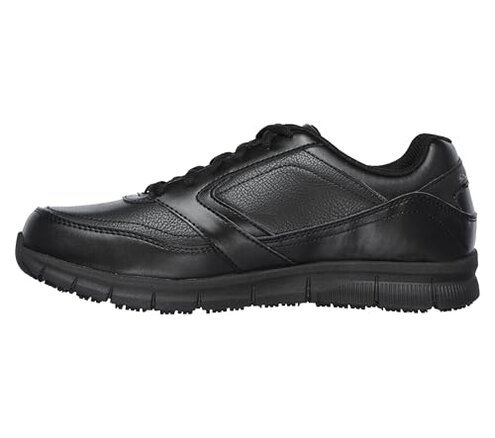
Why do these run so inconsistent in size and fit?
Immediate fit shock: Many buyers hit the first wear and notice a poor fit, forcing exchanges or extra insoles.
Pattern signal: This is a commonly reported problem across feedback and not universal but frequent enough to expect one exchange.
Category contrast: Sizing variance here is worse than typical mid-range shoes, which usually match listed sizes and need fewer swaps.
Why does the sole or upper show wear quickly?
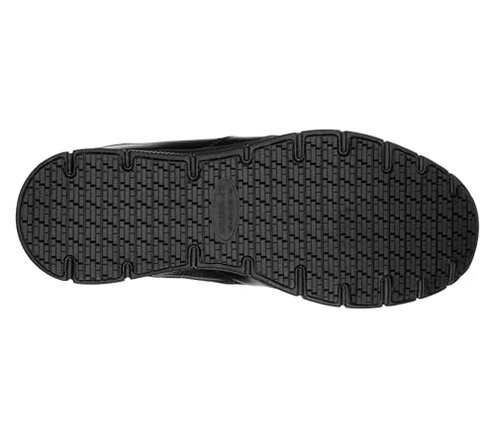
- Early abrasion: Visible sole scuffing or edge separation appears after weeks of daily wear.
- Secondary pattern: This is a primary durability complaint repeated by many buyers.
- Usage anchor: Wear worsens during long shifts and frequent walking on hard surfaces.
- Repair difficulty: Many owners report returns or replacement rather than repair.
Why does comfort fall off after a few weeks?
- Memory foam sag: Cushioning loses responsiveness after repeated daily use.
- Frequency tier: This is a secondary but persistent complaint among regular wearers.
- When it appears: Noticeable after several weeks of long-wear days.
- Cause signal: Repeated compression of the footbed is commonly cited as the trigger.
- Impact: Reduced shock absorption makes standing shifts more tiring.
- Fixability: Users often add aftermarket insoles to regain comfort.
Why do appearance and finish not match the photos?
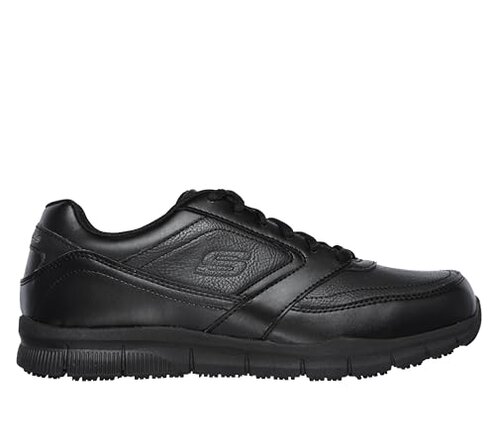
- Look mismatch: Color tone and surface finish often differ from listing images.
- Edge-case pattern: Less common than fit or wear issues but still reported.
- Early sign: Buyers notice this immediately at unboxing.
- Cause: Variability in batches or finish tolerances is a likely contributor.
- Hidden requirement: Some buyers need to polish or scuff-proof the shoes to match expectations.
- Return friction: Mismatched appearance often triggers returns instead of exchanges.
- Category contrast: For this price, better photo-to-product fidelity is commonly expected.
Illustrative excerpts
Excerpt: "Tight at the toe yet loose in the heel, had to size up." — primary pattern
Excerpt: "Sole started separating after three weeks of daily wear." — primary pattern
Excerpt: "Cushion felt flat after month one, needed new insoles." — secondary pattern
Excerpt: "Looks darker in person and shows glue marks at the seam." — edge-case pattern
Who should avoid this
- Buyers needing consistent sizing: Avoid if you cannot handle exchanges or guessing half-sizes.
- Heavy daily users: Avoid if you walk long shifts and expect long-term cushioning.
- Low-maintenance buyers: Avoid if you won’t tolerate early scuffs or finish tweaks.
Who this is actually good for
- Occasional wearers: Works if you use them infrequently and accept some early break-in.
- Budget-focused shoppers: OK if you expect to replace shoes sooner for a lower upfront cost.
- Custom insole users: Suitable if you plan to add aftermarket support and can tolerate sizing adjustments.
Expectation vs reality
Expectation: Reasonable for this category is reliable sizing and cushioning across months.
Reality: Buyers commonly report inconsistent fit and cushioning that degrades faster than typical mid-range options.
Expectation: Images match delivered finish.
Reality: Appearance differences and minor finish flaws appear at unboxing for some buyers.
Safer alternatives
- Try before committing: Buy from retailers with easy in-store returns or free trial periods to test fit.
- Choose predictable sizing: Prefer brands or models with strong size-consistency reviews if exchanges are hard.
- Prioritize durability reviews: Look for soles and seams praised for months of daily use to avoid early wear.
- Plan for insoles: If comfort loss bothers you, buy with a replaceable insole plan to restore cushioning.
The bottom line
Main regret: The combination of inconsistent sizing and earlier-than-expected wear is the key trigger for returns.
Why worse: These failures compound during heavy daily use and exceed normal mid-range shoe risk for longevity and fit.
Verdict: Avoid this model if you need reliable, long-lasting daily work shoes without extra interventions.
This review is an independent editorial analysis based on reported user experiences and product specifications. NegReview.com does not sell products.