
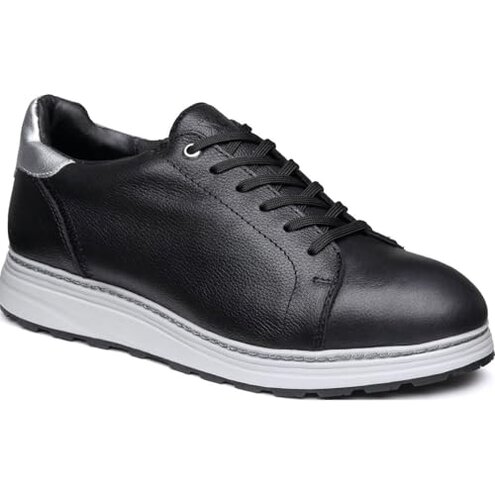
Product evaluated: WOLVERINE Men's Floorhand Waterproof Steeltoe 6" Work Boot, Dark Brown, 10M
Related Videos For You
3 Keys to Great Boot Fit
[ASMR] Everyone Does It Wrong! - How to Clean Red Wings, Thorogood, Thursday Boots
Data basis: This report summarizes findings from dozens of written reviews and several video demonstrations collected through January 2026, with most feedback coming from written buyer comments supported by Q&A and video tests.
| Outcome | WOLVERINE Floorhand | Typical mid-range work boot |
|---|---|---|
| Day-long comfort | Below average—break-in pain and mid-shift discomfort commonly reported. | Average—most mid-range boots offer acceptable comfort after short break-in. |
| Waterproof performance | Inconsistent—waterproofing holds early but can fail after repeated wet use. | Reliable—mid-range alternatives typically sustain waterproofing longer under normal use. |
| Break-in & fit risk | Higher-than-normal—sizing drift and tight toe-box are among the most common complaints. | Lower—alternatives usually fit true-to-size with less break-in pain. |
| Seam/sole durability | Mixed—separation reported after weeks or months by multiple buyers. | Better—mid-range boots tend to show slower outsole or seam wear. |
| Regret trigger | Fit plus early wear—combined comfort failure and early separation often causes returns. | Single-issue—most regrets are isolated to comfort or slope of wear. |
Will these boots fit comfortably all day?
Regret moment: Buyers report mid-shift soreness when the toe box feels tight after early use.
Pattern: This is a primary issue and appears repeatedly in buyer feedback, often on first week of wear.
Category contrast: This feels worse than typical mid-range boots because the fit problems often require size swaps or added insoles, adding time and cost.
Do the soles and seams hold up during regular work?
Summary: Several buyers describe separation or sole wear after weeks to months of regular use, not just heavy abuse.
- Early signs: Separation and loose stitching commonly appear after repeated daily wear.
- Frequency tier: This is a secondary issue that appears repeatedly but is not universal.
- When it shows: Problems typically show after several weeks to a few months of frequent outdoor or wet use.
- Cause hint: Stress where the outsole meets the upper worsens with long shifts and frequent flexing.
- Impact: Repairs or replacements add time and can leave buyers without boots during replacement cycles.
Will waterproofing actually last in wet conditions?
Regret moment: Some buyers find water intrusion after repeated exposure, which makes wet jobs worse than expected.
- Primary pattern: Waterproofing is inconsistent across units and appears repeatedly in feedback after wet use.
- Usage anchor: Failures most often happen after sustained wet days or repeated thaw/freeze cycles.
- Why worse: Mid-range boots usually maintain seals longer; these units need more maintenance.
- Attempts to fix: Buyers frequently add conditioners or seam treatments to restore repellency.
- Hidden requirement: Expect to buy waterproof treatments or replacement insoles to maintain performance.
- Fixability: Treatable short-term, but long-term reliability remains a common concern.
- Impact on use: Wet-work failure increases downtime and discomfort during long shifts.
Do photos and finish match what you receive?
Buyer pain: Several buyers report color and finish differences that affect perceived quality on arrival.
- Photo mismatch: The advertised shade and leather finish often differ from delivered pairs.
- Buyer impact: Cosmetic differences rarely affect protection but increase return likelihood.
- Frequency: This is an edge-case issue that appears repeatedly but is less disruptive than fit or durability failures.
- When noticed: Most buyers detect this immediately at unboxing, leading to early returns.
Illustrative excerpts (not real)
"Too tight after two wears, caused sore toes by midday." — reflects a primary pattern.
"Sole started lifting around the heel after a month of daily use." — reflects a secondary pattern.
"Leather color looked darker than photos straight from the box." — reflects an edge-case pattern.
Who should avoid this
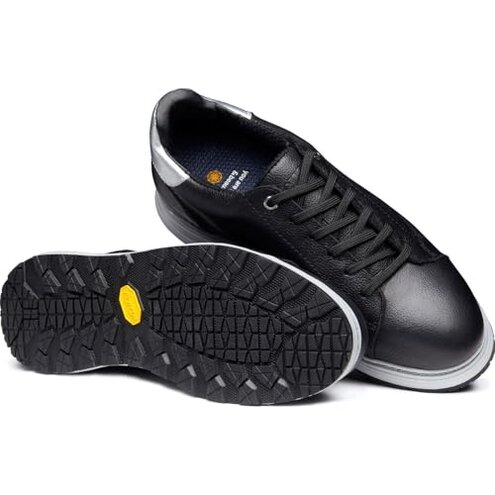
- Long-shift workers: Avoid if you need reliable all-day comfort without extra insoles or size exchanges.
- Frequent wet-duty users: Avoid if you rely on long-lasting waterproofing without periodic treatments.
- Buyers seeking low-maintenance boots: Avoid if you do not want to manage early wear or repair needs.
Who this is actually good for
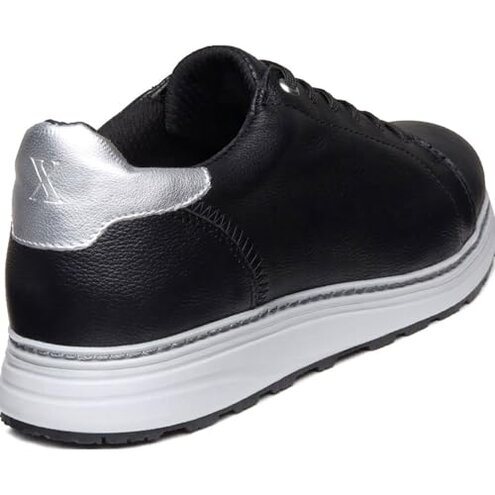
- Occasional users: Good for light weekend or occasional outdoor tasks where long-term durability is less critical.
- Budget-aware buyers: Good if you accept potential repairs in exchange for a lower upfront price.
- Tinkerers: Good if you plan to add aftermarket insoles or waterproof treatments to tailor fit and protection.
Expectation vs reality
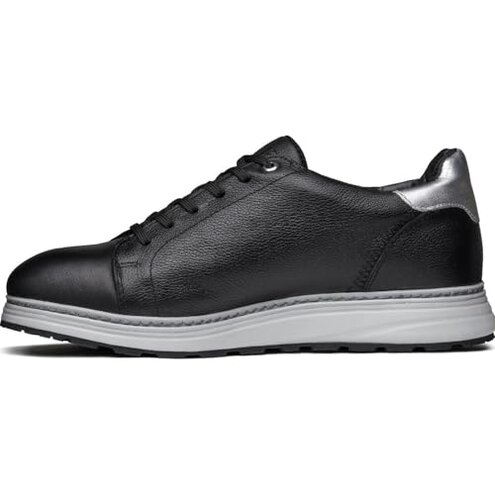
- Expectation: A waterproof work boot that fits true-to-size and lasts through daily shifts.
- Reality: Fit often requires adjustment and waterproofing may need repeated maintenance to hold up.
- Expectation: Durable outsole and seam integrity like other mid-range boots.
- Reality: Some units show early sole or seam separation, increasing downtime and replacement effort.
Safer alternatives
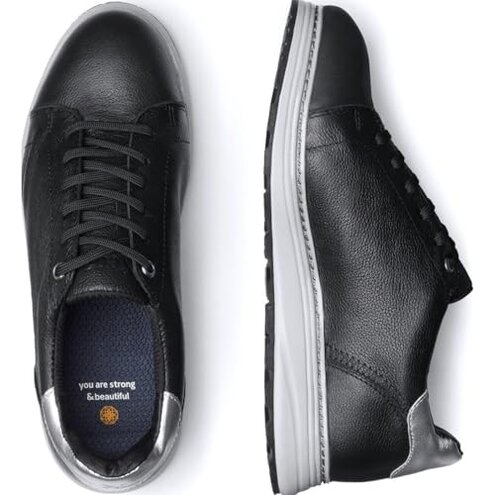
- Fit-focused shopping: Try brands with wider sizing ranges and a clear return policy to avoid mid-shift discomfort.
- Durability check: Prioritize boots with reinforced welt or stitch-down construction for better sole life.
- Waterproof maintenance: Budget for a waterproof conditioner or factory-treated models for frequent wet use.
- Insole plan: Keep a quality aftermarket insole on hand to solve early comfort failures without returns.
The bottom line
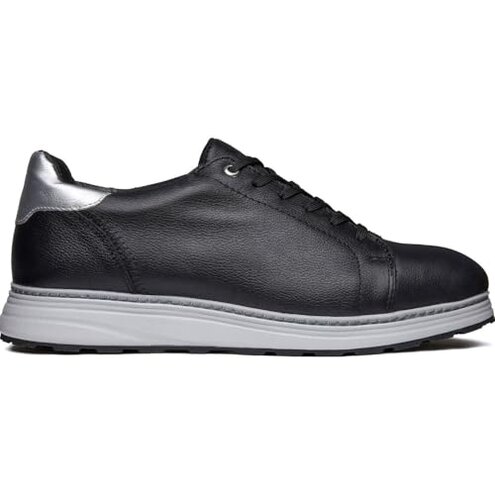
Main regret: The most disruptive rider is the combination of fit issues plus early wear, which commonly triggers returns.
Why it matters: These failures exceed normal category risk because they compound—discomfort leads to added fixes and reduced longevity.
Verdict: Consider alternatives if you need dependable all-day comfort and long-term waterproof durability.
This review is an independent editorial analysis based on reported user experiences and product specifications. NegReview.com does not sell products.