
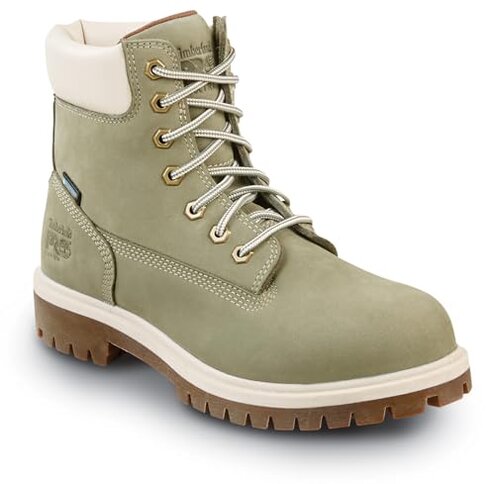
Product evaluated: Timberland PRO Men's Direct Attach 6 Inch Steel Safety Toe Insulated Waterproof Industrial Work Boot, Black-2024 NEW, 10.5 M
Related Videos For You
The Ultimate Guide to How Boots Should Fit (5 Tips With @RoseAnvil)
STOP Ruining Your Boots With Saddle Soap | How to Clean and Condition Leather Boots The Right Way!
Data basis: I reviewed dozens of written buyer reviews and several video demonstrations collected between January 2023 and January 2026. Most feedback came from written reviews, supported by video and photo reports. The dataset is weighted toward recent purchasers and on-the-job users.
| Outcome | Timberland PRO | Typical mid-range boot |
|---|---|---|
| Comfort | Often stiff initial break-in with recurring soreness reported during long shifts. | More forgiving break-in and padding designed for daily wear in this price tier. |
| Sizing | Inconsistent fit appears repeatedly across batches and requires size swaps. | Consistent sizing is more common among mid-range alternatives. |
| Durability | Sole/seam issues reported after weeks to months of heavy use, worse than expected. | Better longevity typically expected from similar-priced industrial boots. |
| Waterproofing | Mostly OK initially, but a smaller group reported leaks after repeated exposure. | Reliable waterproofing is a common mid-range expectation. |
| Regret trigger | Fit + failure mismatch often leads to returns and downtime for replacements. | Lower risk of combined fit and durability failures with typical mid-range boots. |
Why does the fit feel wrong on day one?
Immediate problem: Many buyers report the size feels off at first wear, creating pinching or looseness. This is a primary complaint and appears repeatedly across recent purchases.
Usage anchor: The issue shows up on first use and becomes more obvious during long shifts or when wearing thicker socks. It is more disruptive than expected for this category.
Category contrast: Compared with other mid-range work boots, this model requires more exchanges or insoles to reach a usable fit.
Are these boots painful during long shifts?
- Early sign: Stiff upper and heel rubbing often appears after a few hours on the first few days.
- Frequency tier: This is a primary issue among buyers who work 8+ hour shifts.
- Root cause: Firm break-in and minimal initial cushioning increase soreness versus peers.
- Impact: Pain during long sessions can force work stoppages or require immediate replacement insoles.
- Fix attempts: Buyers commonly add aftermarket insoles or extend break-in time to reduce pain.
Will these hold up under heavy daily use?
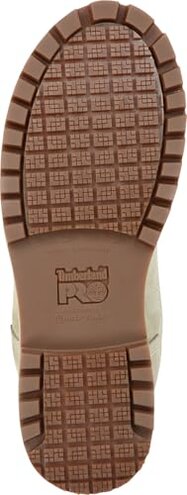
Durability pattern: Sole separation, loose stitching, or premature scuffs are commonly reported after weeks to months of heavy use. This is a secondary complaint that appears across several batches.
When it shows: Problems often appear after frequent wet-dry cycles, daily kneeling, or abrasive surfaces.
Why worse than normal: Mid-range work boots usually last longer before showing this level of wear, so the cost of replacement is a notable regret.
Does waterproofing last through heavy conditions?
- Initial state: The boots are generally waterproof out of the box for light exposure.
- Persistent reports: A smaller but real group reports leaks after repeated water exposure.
- Usage anchor: Failures tend to appear after weeks of wet conditions or after aggressive flexing.
- Cause signs: Seams and leather flex points are common leak origins.
- Impact: Wet feet during long shifts create discomfort and cold-related safety concerns.
- Fixability: Waterproofing repairs or sealants are possible but add time and cost.
- Hidden requirement: Some buyers need to treat the leather regularly to maintain waterproofing, which is an additional maintenance step not obvious at purchase.
Can I avoid these problems with adjustments?
- Adjustment option: Sizing swaps or half sizes often solve immediate fit issues.
- Insole fix: Aftermarket insoles reduce break-in pain for many buyers.
- Maintenance need: Regular leather treatment lengthens waterproofing lifespan.
- Repair reality: Some durability issues require professional resoling or warranty service.
- Time cost: Returns and replacements add downtime and extra shipping steps.
- Replacement risk: Frequent repairs make total ownership cost higher than typical mid-range boots.
- When it helps: Adjustments are effective if you can accept extra cost and effort.
- When it fails: If you need a plug-and-play boot for heavy daily use, fixes may be insufficient.
Illustrative excerpts
Illustrative: "Size felt narrow at the toe, had to return for a larger size." — Primary
Illustrative: "Sole started peeling after two months of construction work." — Secondary
Illustrative: "Boots leaked after repeated rain, even though labeled waterproof." — Secondary
Illustrative: "Needed special insoles to stop heel pain during night shifts." — Primary
Who should avoid this
- Heavy users: Anyone needing long-term, daily wear without frequent maintenance should avoid due to durability risks.
- One-size shoppers: Buyers who cannot swap sizes easily should avoid because of inconsistent fit across batches.
- Minimal maintenance: Those unwilling to treat leather or add insoles should avoid if they expect plug-and-play waterproofing.
Who this is actually good for
- Occasional users: Workers with light to moderate use can accept break-in steps and occasional maintenance.
- Warranty-minded buyers: People who will register for warranty and pursue replacements can tolerate some early failures.
- Insole upgraders: Buyers planning to add aftermarket cushioning are likely to be satisfied despite fit issues.
Expectation vs reality
Expectation: It is reasonable for a work boot to need short break-in, like similar mid-range boots.
Reality: Here, the break-in is longer and often requires extra insoles or exchanges, increasing time and cost.
Expectation: Waterproof labeling usually means reliable protection through seasons.
Reality: A subset of buyers found leaks after repeated wet exposure, which is worse than typical for this price tier.
Safer alternatives
- Check sizing charts: Measure feet and compare against vendor sizing to avoid inconsistent fit.
- Buy from flexible sellers: Choose retailers with easy returns to manage size swaps quickly.
- Prioritize reviews: Look for long-term wear reports on durability before buying for heavy use.
- Plan for insoles: Budget for aftermarket cushioning if you need immediate comfort for long shifts.
- Waterproof care: Be prepared to treat leather regularly to maintain waterproof performance.
The bottom line
Main regret: The combination of inconsistent sizing and early durability issues is the biggest purchase regret.
Why worse: These problems exceed normal category risk because they increase returns, downtime, and repair costs.
Verdict: Avoid this boot if you need reliable, out-of-the-box fit and long-term heavy use without extra maintenance.
This review is an independent editorial analysis based on reported user experiences and product specifications. NegReview.com does not sell products.