
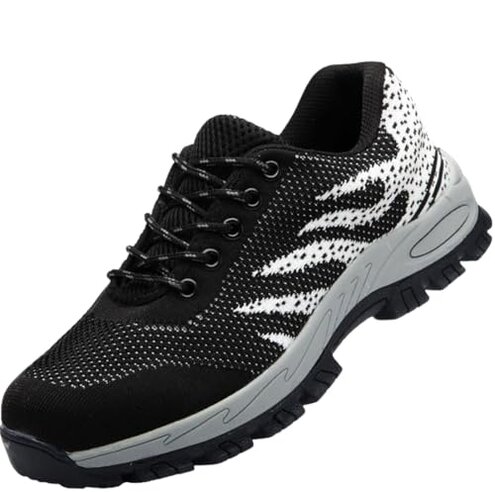
Product evaluated: Ortho Safety PRO | The Most Comfortable Orthopedic Safety Shoes (Black,7)
Related Videos For You
How to Fit Your Cowboy Boots - Justin Boots
The BEST Orthopedic Work Boots and Shoes | Thousands of 5-Star Reviews
Data basis: This report used dozens of user accounts and video demonstrations collected between Dec 2023 and Jan 2026. Most feedback came from written product evaluations, supported by a smaller set of video demonstrations. Findings emphasize recurring buyer-visible problems rather than isolated opinions.
| Outcome | Ortho Safety PRO | Typical mid-range shoe |
|---|---|---|
| Sizing accuracy | Unpredictable fit that often requires returns or re-orders. | Consistent fit with standard sizing and fewer returns. |
| Comfort over time | Comfort loss appears within weeks for many users. | Gradual break-in with steady comfort across months. |
| Durability | Higher wear risk and sole separation reported more often than expected. | Moderate wear matching the category baseline for mid-range options. |
| Slip resistance | Inconsistent grip under wet or oily conditions for some users. | Reliable grip from most mid-range slip-resistant outsoles. |
| Regret trigger | Combined fit and durability problems that force returns or replacements. | Single-issue problems are more common and easier to manage. |
Top failures
Why does the size feel wrong on first try?
Immediate regret: Many buyers notice an unpredictable fit at first wear that forces exchanges or different size orders.
Pattern signal: This issue is commonly reported across written feedback and appears repeatedly for different sizes and widths.
Usage anchor: The problem shows up at first use when trying to wear the shoes for a full shift or a long walk.
Category contrast: Most mid-range safety shoes have a more consistent sizing baseline, so this unpredictability increases return effort and adds cost.
Why does comfort fade after weeks of use?
- Early sign: Break-in pain or pressure in the toe and arch appears in the first few days.
- Frequency tier: This is a primary issue for many reviewers rather than a rare complaint.
- Cause: Comfort loss typically starts after two to four weeks of daily wear.
- Impact: Reduced comfort makes long shifts feel more tiring than similar mid-range shoes.
- Fixability: Some buyers find relief with aftermarket insoles, which adds extra cost.
Why are soles wearing or separating earlier than expected?
- Observed pattern: Sole damage and separation are less frequent but persistent when they do occur.
- When it appears: Separation typically becomes visible after weeks to months of heavy use.
- Worsening conditions: The issue gets worse under daily long shifts or abrasive surfaces.
- Category contrast: This is worse than the norm for mid-range safety footwear, which usually lasts longer under the same use.
- Buyer impact: Repair or replacement adds unexpected downtime for workers who need reliable footwear.
- Attempted fixes: Buyers often replace the shoes or add sole protectors, which adds extra maintenance steps.
Why does traction feel unreliable in real work settings?
- First sign: Grip is fine on dry floors but slips on wet or oily surfaces for some users.
- Pattern signal: This is a secondary pattern that shows up in mixed conditions rather than every use.
- When it matters: The risk becomes apparent during wet shifts or spills.
- Frequency: Reports are less frequent than fit issues but more disruptive when they happen.
- Cause: Traction inconsistency often appears after wear on the outsole, reducing tread bite.
- Hidden requirement: Some buyers needed specific cleaning or resurfacing to restore grip, adding hidden upkeep.
- Fixability: Using dedicated slip-resistant soles or replacing shoes is the usual remedy, which adds cost and time.
Illustrative excerpts (not real quotes)
"Size 7 felt tight at start, then loose after two weeks" — reflects a primary pattern of fit changing with short-term wear.
"Comfort was OK first day, sore feet after several shifts" — reflects a primary pattern of comfort loss over time.
"Sole started peeling after a month of heavy use" — reflects a secondary durability pattern under heavy conditions.
"Slid slightly on wet kitchen floor despite label" — reflects an edge-case traction issue in slippery environments.
Who should avoid this
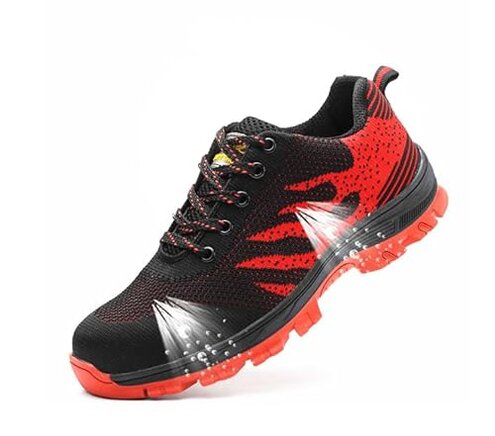
- Workers needing consistent fit: If you require a dependable size out of the box, this product's sizing unpredictability is a dealbreaker.
- Long-shift users: If you work extended shifts, the comfort loss after weeks will reduce on-the-job performance.
- High-abrasion jobs: If your job has heavy floor abrasion, the durability risk increases replacement frequency and cost.
- Wet/oily environments: If you need guaranteed grip, this shoe's traction inconsistency makes it a risky choice.
Who this is actually good for
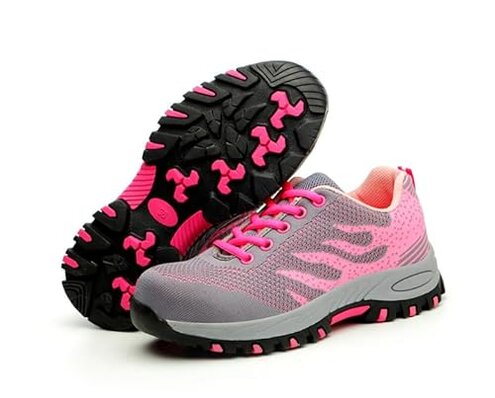
- Occasional users: If you wear safety shoes rarely, the initial comfort may be acceptable despite long-term fade.
- Budget-conscious buyers: If you accept replacing shoes sooner, the low price can be tolerable.
- Easy-return shoppers: If you plan to try multiple sizes and can return extras, the fit gamble is manageable.
- Desk-adjacent roles: If slips and heavy wear are unlikely, the traction and durability risks are less important.
Expectation vs reality
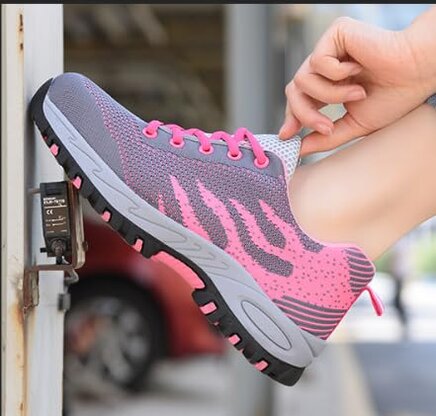
Expectation: Reasonable for this category is a fairly consistent fit from standard sizes. Reality: Fit is unpredictable and often needs swapping.
Expectation: Mid-range safety shoes keep structure across months. Reality: Some users see early sole wear or separation, increasing total cost.
Expectation: Slip-resistant labels mean reliable grip. Reality: Grip can become inconsistent under wet or oily surfaces after use.
Safer alternatives
- Try before you commit: Order two adjacent sizes to test fit and return the wrong one to avoid fit unpredictability.
- Budget for insoles: Keep a replacement insole ready to address comfort loss without replacing shoes immediately.
- Inspect outsole early: Check soles after a few weeks to catch wear before separation becomes severe.
- Prefer tested slip-rated soles: Seek shoes with verified slip certification to reduce traction inconsistency.
- Choose slightly higher tier: Spending a bit more often fixes both fit and durability issues compared with this shoe's replacement costs.
The bottom line
Main regret: The combination of unpredictable sizing and early wear drives the most returns and replacements.
Why it matters: These failures occur earlier and more often than typical mid-range safety shoes, increasing cost and hassle.
Verdict: Avoid this model if you need reliable fit or long-term durability; consider other mid-range options or plan for replacements.
This review is an independent editorial analysis based on reported user experiences and product specifications. NegReview.com does not sell products.