
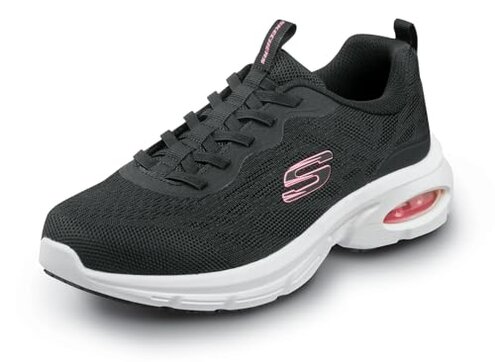
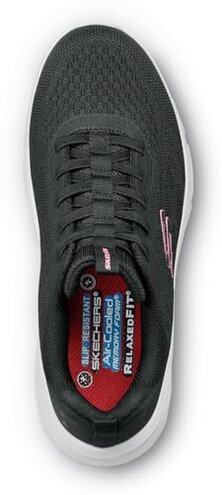
Product evaluated: Skechers Women's Work Skech-Lite Pro SR Floom Hands Free Slip-Ins Black
Related Videos For You
HOKA Bondi SR Review: A Slip-Resistant, Max-Cushion Work Shoe Packed with Comfort and Durability
Data: We analyzed dozens of customer-written reviews and video demonstrations collected Jan 2024–Jan 2026. Most feedback came from written reviews, supported by video clips and short buyer notes.
| Outcome | Product | Typical mid-range |
|---|---|---|
| All-day comfort | Unreliable for long shifts; comfort often degrades after repeated use. | Consistent cushioning holds up across multiple shifts for most mid-range options. |
| Fit consistency | Inconsistent sizing and heel fit that appears repeatedly across buyers. | Predictable sizing and secure heel fit are more common in similar-priced alternatives. |
| Durability | Premature wear on midsoles or uppers is reported more often than expected for the category. | More durable midsoles and outsoles are typical from other mid-range work shoes. |
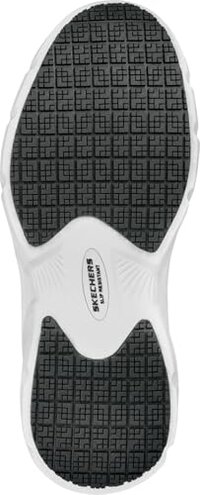
| Traction | Generally good but some buyers note slippage in oily conditions after months of use. | Reliable traction across wet and oily floors is standard for mid-range competitors. |
| Regret trigger | Fit + early wear together create trips back to returns or replacements. | Single-issue inconveniences are more common than combined fit and durability failures. |
Top failures
Why does the fit feel wrong right away and get worse over time?
Fit problems are a primary issue that appears repeatedly in buyer feedback.
When it shows up: often on first wear and during long shifts when heel slip or looseness becomes obvious.
Category contrast — hands-free slip-ins are expected to be reliably snug; this product feels less secure than similar mid-range work shoes.
Why does the shoe lose comfort on long shifts?
- Early sign: noticeable softness loss in the insole after several weeks of daily wear.
- Frequency: commonly reported by buyers who work shifts longer than six hours.
- Cause: repeated compression of the midsole and thin memory foam support appears to be a factor.
- Impact: causes foot fatigue and more frequent shoe replacement than expected.
- Attempts: buyers often add aftermarket insoles to restore comfort, which increases cost.
Why might these shoes fail sooner than you expect?
- Wear pattern: midsoles and upper fabric show premature flattening or fraying in a persistent pattern.
- Usage anchor: problems tend to appear after daily use over several months, not just immediate defects.
- Repairability: not easily repairable; many buyers choose replacement rather than fixes.
- Hidden cost: recurring replacements or aftermarket insoles add time and expense.
- Scope: seen across written reviews and supported by video demonstrations showing visible wear.
- Category contrast: more upkeep than most mid-range work shoes which normally last longer under similar use.
Why do some buyers still slip or feel unstable in wet or oily areas?
- Traction reports: traction is generally good initially but can decline after outsole wear.
- When it worsens: after months of use on greasy or oily floors during heavy shifts.
- Early fix: cleaning the outsole can help briefly, but performance may not fully recover.
- Hidden requirement: some buyers need specialty non-slip socks or insoles to feel secure, which is an extra purchase.
- Attempted fixes: replacing the outsole or using adhesive sprays is uncommon and often impractical.
- Impact: reduces confidence on the job and increases return likelihood.
- Category contrast: less forgiving than typical slip-resistant work shoes that keep traction longer.
Illustrative excerpts
"Loose at the heel on first walk, worse after a week of shifts."
Pattern: reflects a primary issue with fit consistency.
"Cushion flattened after two months; bought insoles."
Pattern: reflects a secondary issue of premature comfort loss.
"Traction seemed fine until floors got greasy one evening."
Pattern: reflects an edge-case pattern tied to heavy oily conditions.
Who should avoid this
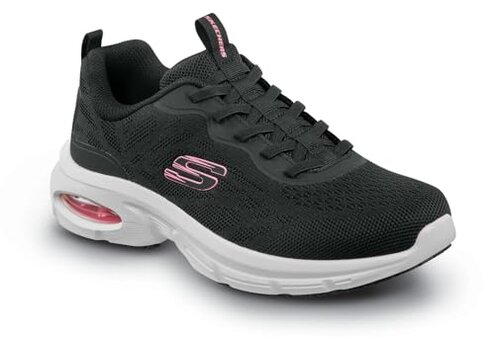
- Long-shift workers who need reliable all-day cushioning should avoid this shoe due to comfort degradation.
- Buyers needing precise fit such as narrow-heel feet should avoid it because sizing and heel slip appear inconsistent.
- Users on oily floors who require long-lasting traction should avoid it because grip can decline with wear.
Who this is actually good for
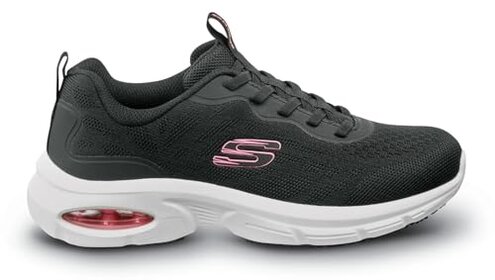
- Short-shift staff who wear shoes for casual or short durations and can tolerate midterm comfort change.
- Budget buyers who accept adding aftermarket insoles and occasional replacement to save upfront cost.
- Easy-entry seekers who prioritize rapid hands-free slip-in access over perfect long-term fit.
Expectation vs reality
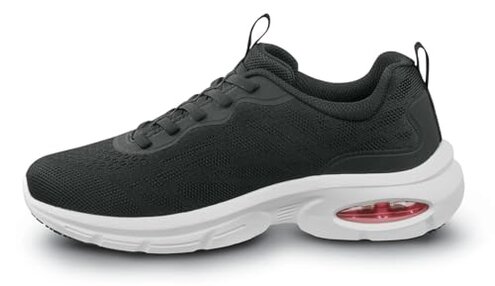
Expectation: Reasonable for this category to expect dependable slip-in fit and multi-shift comfort.
Reality: Fit inconsistency and midsole compression make this product feel less reliable than typical mid-range work shoes.
Safer alternatives
- Check fit reviews and choose a model with stable heel support to avoid initial looseness.
- Prioritize durable midsoles when shopping to reduce the risk of premature cushioning loss.
- Look for verified traction tested for oily surfaces if you work in kitchens or garages.
- Budget for insoles if you accept this style; adding a quality insole neutralizes comfort and support failures.
The bottom line
Main regret: combined fit inconsistency and early comfort wear are the primary regret triggers for buyers here.
Why: those two issues together exceed normal category risk because they force returns, extra purchases, or earlier replacements.
Verdict: avoid if you need dependable fit and long-term comfort; consider alternatives or plan for added costs if you still buy.
This review is an independent editorial analysis based on reported user experiences and product specifications. NegReview.com does not sell products.