
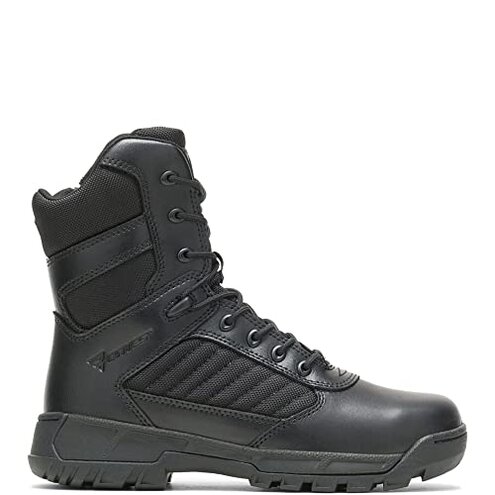
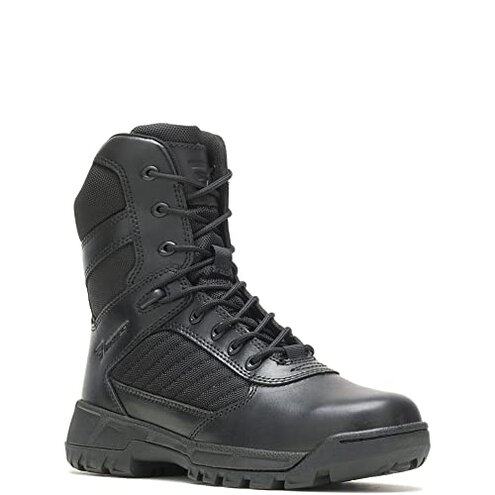
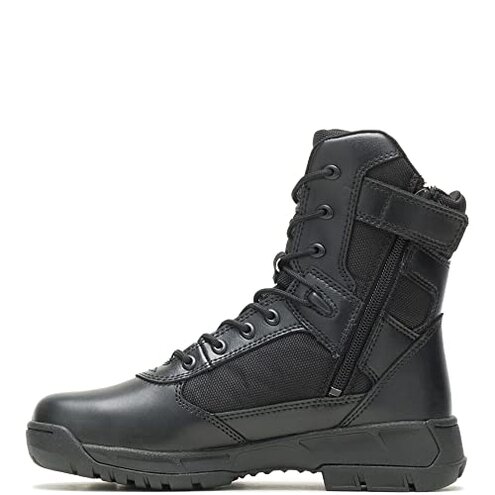
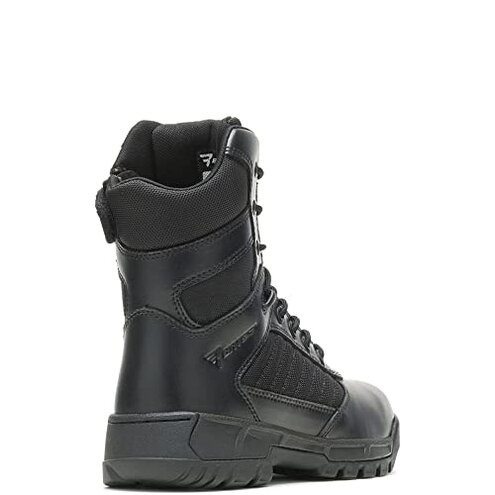
Product evaluated: Bates Men's 8" Ultra-Lite Tactical Sport TS1 Side Zip Boot, Black, 11
Related Videos For You
Choosing THE BEST Tactical or Hiking Boots + Fitting Tips
Mil-Tec Tactical Boots Two Zippers
Data basis
Dataset: Dozens of buyer reports and videos were aggregated between Jan 2018 and Jan 2026, with most feedback from written reviews supported by video demonstrations and a smaller set of photo reports.
Comparative risk snapshot
| Outcome | Bates 8" Side-Zip | Typical Mid-Range Boot |
|---|---|---|
| Comfort on long shifts | Variable — several buyers report end-of-shift foot pain not seen initially. | Consistent — many mid-range boots are designed for multi-shift comfort. |
| Sizing accuracy | Unreliable — fit surprises reported more often than expected for this category. | Predictable — most mid-range options match size charts closely. |
| Zipper durability | Higher risk — side-zip malfunctions appear repeatedly after months of use. | Lower risk — alternatives use reinforced zips or lace-only designs. |
| Sole attachment | At-risk — cement construction has led to sole separation for a notable subset. | More robust — stitched or stronger-bond soles are common in mid-range choices. |
| Regret trigger | Unexpected failure — fit or breakdown during regular duty shifts. | Manageable — fewer surprises in day-to-day use. |
Top failures
Why does the size feel wrong even when you order your usual size?
Fit surprises are among the most common complaints and appear repeatedly across buyer feedback.
When it shows up: Problems usually appear on first full-day wear or after several wearings during regular use.
Category contrast: This is worse than normal because mid-range tactical boots usually match standard sizing closely, reducing trial-and-error for buyers.
Why does the side zipper fail or stick?
- Pattern: Zipper problems are a primary issue, reported repeatedly rather than as rare events.
- When: Failures typically surface after repeated donning and doffing over weeks to months.
- Early sign: Zipping feels gritty or resists near the top within the first month of use.
- Cause: The zipper assembly appears less robust than expected for duty use.
- Impact: A stuck zip adds time and can force full-lace use or repair during a shift.
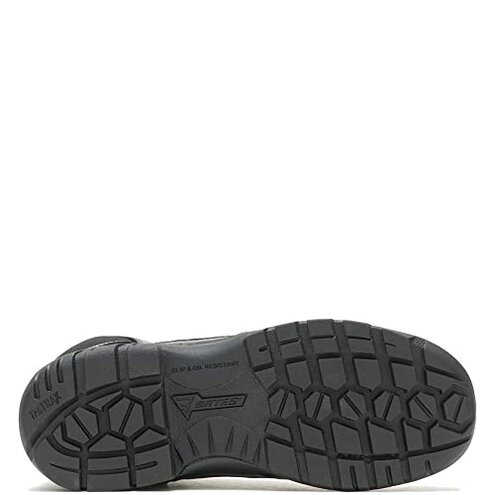
Why might the sole separate or wear prematurely?
- Pattern: Sole separation is a prominent secondary complaint across multiple reports.
- When: Separation often shows after repeated daily wear or long walking sessions.
- Frequency tier: Less frequent than zipper issues but more disruptive when it occurs.
- Cause: Cement construction can weaken under frequent flex and wet conditions.
- Attempts: Buyers tried glue fixes or cobbler re-sole services with mixed results.
- Fixability: Repair adds time and cost, making this problem more painful than a simple warranty return.
Why do these boots feel uncomfortable on long shifts or active duty?
- Early sign: Noticeable foot fatigue appears during extended standing or patrol shifts.
- Pattern: Comfort complaints are commonly reported and persist across different foot shapes.
- Cause: Removable insert and lightweight midsole give short-term comfort but less long-run support.
- Usage anchor: Pain or hotspots commonly arise after 6–10 hours on duty or during long hikes.
- Category contrast: Worse than similar mid-range boots that provide stronger arch support and cushioning for long shifts.
- Attempts: Users swapped insoles or added orthotics; this mostly helps but requires extra purchase and fit tweaks.
- Hidden requirement: Buyers often need to budget for aftermarket insoles to reach reliable multi-shift comfort.
- Impact: The time and cost for adjustments raise the real ownership cost compared with peers.
Illustrative excerpts (not real quotes)
"Felt wrong size on first long shift; needed new insoles immediately." — primary pattern
"Zip jammed after two months of daily use, added time to get dressed." — secondary pattern
"Sole began lifting after wet patrols, cobbler said cement bond failed." — secondary pattern
Who should avoid this
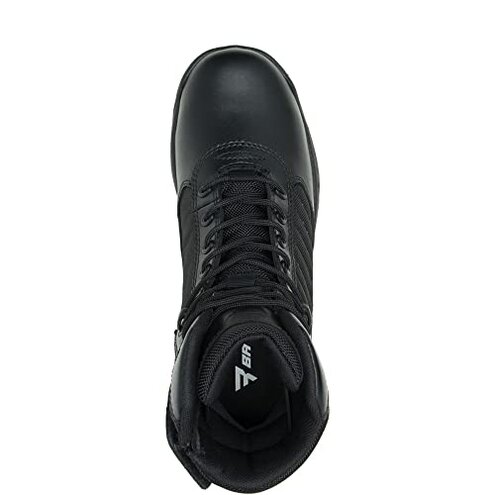
- Frequent multi-shift workers: Avoid if you need reliable comfort out of the box for long shifts without extra insoles.
- Heavy field use: Avoid if you expect wet, high-flex conditions where sole separation risk matters.
- Buyers who need consistent sizing: Avoid if you cannot afford trial-and-error or returns due to fit variability.
Who this is actually good for
- Occasional users: Good for casual or light-duty wear where long-term durability is less critical.
- On a budget: Good if you accept aftermarket insoles and minor repairs to save on initial cost.
- Users who prefer side-zip convenience: Good if you mainly use the zip and can routinely inspect for early wear.
Expectation vs reality
- Expectation: Reasonable for this category to fit true to size and be ready for full shifts.
- Reality: Many buyers experience fit surprises and need extra insoles or exchanges.
- Expectation: Zippers should withstand months of daily use in duty boots.
- Reality: Zipper issues appear more often than typical mid-range alternatives, adding repair time.
Safer alternatives
- Check size reviews: Compare multiple buyer size reports and order one size up or down when feedback is mixed.
- Plan for insoles: Buy higher-support aftermarket insoles to neutralize long-shift discomfort before first use.
- Avoid side-zip if durability matters: Pick lace-only designs or models with reinforced zippers to reduce zip-failure risk.
- Prefer stitched soles: Choose boots with stitched or stronger-bond soles to lower separation risk in wet or high-flex use.
The bottom line
Main regret: Buyers most often regret unpredictable fit and early durability issues during regular duty use.
Why it matters: These failures exceed typical mid-range risk because they add replacement or repair time and cost.
Verdict: Consider alternatives if you need reliable sizing and multi-shift durability without extra fixes.
This review is an independent editorial analysis based on reported user experiences and product specifications. NegReview.com does not sell products.