
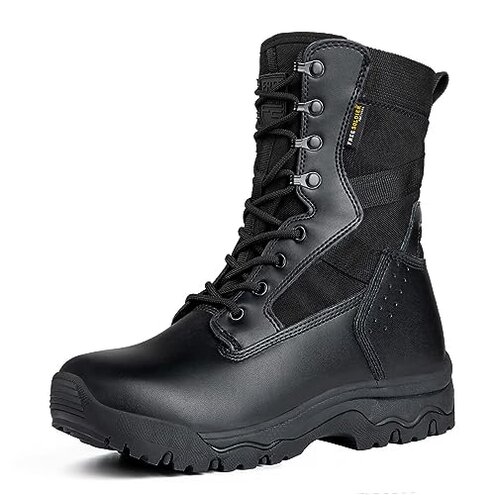
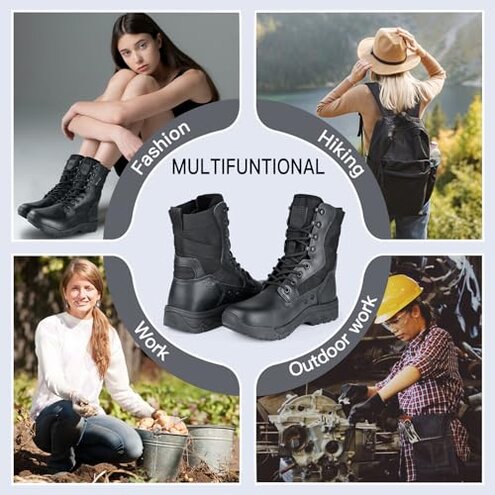
Product evaluated: FREE SOLDIER Women’s Tactical Boots 8 Inches Lightweight Combat Boot Durable Military Work Outdoors Boots Desert Boot for Women(Dark Black 8)
Related Videos For You
The Ultimate Guide to How Boots Should Fit (5 Tips With @RoseAnvil)
How to Polish Military & Tactical Boots
Data basis I analyzed dozens of customer-written reviews and several video demonstrations collected between Jan 2023 and Jan 2026, with most feedback coming from written reviews and supported by videos.
| Outcome | FREE SOLDIER boots | Typical mid-range boot |
|---|---|---|
| Comfort | Short-term padding often feels OK initially but loses support during long wear. | Consistent cushioning holds up better across full-day use in many mid-range options. |
| Fit consistency | Higher-than-normal risk of inconsistent sizing and fit across buyers. | More reliable sizing with fewer reorders needed for the average mid-range boot. |
| Durability | Wear issues appear sooner on seams and soles for a noticeable group of buyers. | Longer wear life expected from typical mid-range boots before seam or sole failure. |
| Water resistance | Mixed performance in wet conditions, with some users noticing seepage during heavy exposure. | Better sealing and fewer reports of wetness during comparable outdoor use. |
| Regret trigger | Reordering time and replacement costs after short use are common buyer triggers to regret. | Lower reorders and slower failure rates make regrets less frequent for mid-range boots. |
Is sizing unpredictable and frustrating?
Regret moment Buyers report fits that change between pairs, causing reorders or returns after first use.
Pattern This is a commonly reported issue across written feedback and videos.
When it shows The mismatch appears at first try-on or after the first full day of walking, especially on hikes or shifts.
Why worse For this category, reliable sizing is expected, so extra reorders or measuring steps add real cost and time.
Do these boots stay comfortable during long wear?
- Early sign Break-in feels fine but cushioning flattens on long walks.
- Frequency tier This is a secondary issue that appears repeatedly during daily or multi-hour use.
- Cause Removable insoles often need replacement to restore support.
- Impact Discomfort leads to foot fatigue and sometimes hot spots on long days.
- Fixability Adding aftermarket insoles helps, but that adds extra expense and effort.
Will these boots hold up to regular outdoor use?
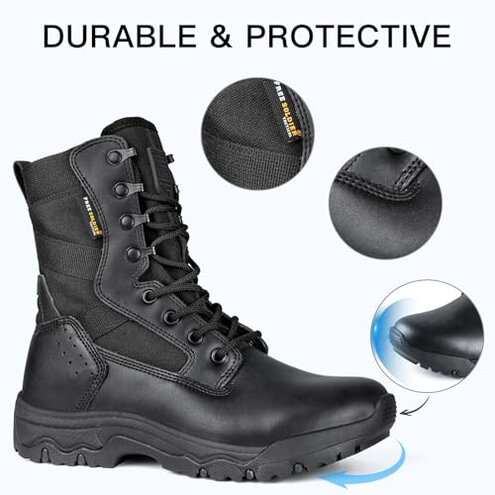
- Primary wear Seams and sole glue show wear sooner than buyers expect for this price range.
- Usage anchor Problems often show after weeks to months of frequent hiking or work shifts.
- Frequency tier This is a primary complaint reported across multiple review types.
- Cause Stress points like toe cap edges and sole bond are common failure spots.
- Impact Early wear forces repairs or replacement sooner than typical mid-range boots.
- Hidden need Some buyers must rotate shoes or restring to extend life, adding maintenance time and cost.
Are there issues in wet or rough environments?
- Mixed results Water resistance varies between pairs, causing inconsistent wetness protection.
- When it appears Seepage usually occurs during heavy rain or river crossings, not just light damp conditions.
- Frequency tier This is a secondary but notable complaint among outdoor users.
- Cause Tongue seal and upper stitching are common weak points when exposed to water.
- Impact Wet feet reduce comfort and increase blister risk during long outings.
- Workaround Waterproofing sprays or seam sealing help but require repeated application.
- Category contrast Many mid-range boots have more consistent factory water protection without extra steps.
Illustrative excerpts
Illustrative: "Fit felt different between left and right after one day of hiking."
Pattern: Reflects a primary pattern of inconsistent sizing.
Illustrative: "Cushion flattened during an eight-hour shift and my feet hurt."
Pattern: Reflects a secondary pattern of comfort loss under long use.
Illustrative: "A seam separated after a few weeks of weekend hikes."
Pattern: Reflects a primary pattern of early durability problems.
Who should avoid this
- Buyers needing reliable sizing who cannot accept reorders or returns should avoid these boots.
- All-day workers who require lasting cushioning and support should avoid because padding may collapse.
- Frequent wet-weather users expecting factory waterproofing should avoid without planning extra sealing steps.
Who this is actually good for
- Budget-conscious buyers who accept potential tweaks like new insoles can save money.
- Occasional users who wear the boots for short trips and can tolerate earlier wear.
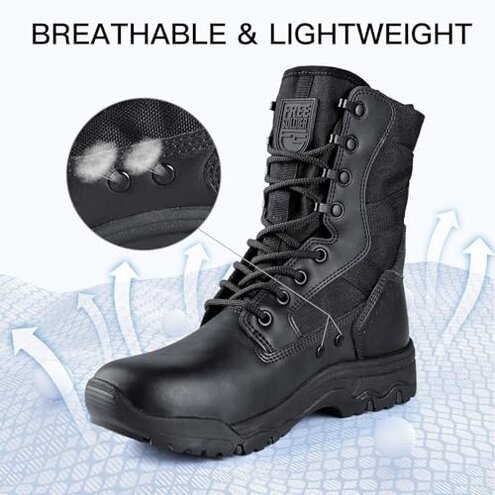
- Urban riders who value lightweight feel and fashion over long-term outdoor ruggedness.
Expectation vs reality
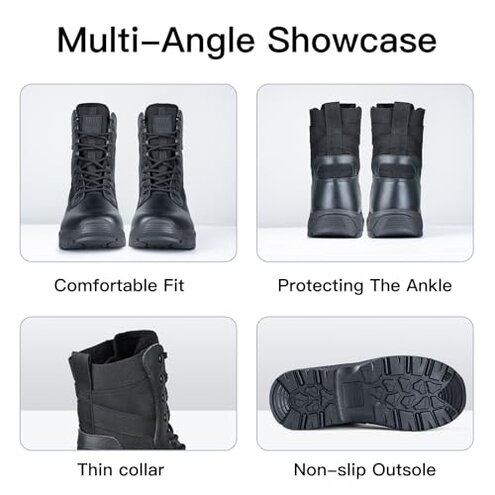
Expectation Buyers reasonably expect true-to-size fit for a mass-market boot.
Reality Fit inconsistency appears more often than expected, leading to returns or reorders.
Expectation Mid-range boots usually keep cushioning through many hours of use.
Reality Cushioning can flatten during long shifts, making these boots less forgiving than peers.
Safer alternatives
- Try-before-you-buy Choose sellers with easy returns to avoid fit surprises.
- Prioritize warranty Look for brands with stronger durability guarantees to reduce replacement risk.
- Plan aftermarket insoles Budget for better insoles if you expect multi-hour wear.
- Waterproof options Pick boots with factory seam sealing if you need consistent wet protection.
The bottom line
Main regret The most common trigger is inconsistent fit and earlier-than-expected wear.
Severity These problems exceed typical category tolerance because they add reorder time and extra costs.
Verdict Avoid if you need dependable sizing, long-lasting cushioning, or reliable waterproofing without extra maintenance.
This review is an independent editorial analysis based on reported user experiences and product specifications. NegReview.com does not sell products.