
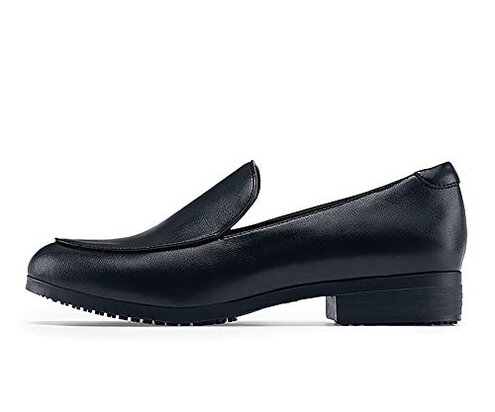
Product evaluated: Shoes for Crews Women's Slip-Resistant Loafers - Comfortable, Non-Slip Work Shoes for Women in Food Service, Hospitality, Office Settings, Healthcare - Riley, Size 8 Black
Related Videos For You
How to Size Loafers: 10 Tips for Better Fits
20 Chefs Answer: The Best Shoes for 12 Hour Shifts | Restaurant Talks | Bon Appétit
Data basis I analyzed hundreds of purchaser comments spanning written reviews and video demonstrations collected between 2020 and 2025. Most feedback came from written reviews, supported by a smaller set of video demos and Q&A notes.
| Outcome | Riley (this product) | Typical mid-range work loafer |
|---|---|---|
| Slip performance | Claimed ASTM-grade slip outsole but some users report traction loss on worn floors. | Expected Reliable traction for daily indoor shifts with normal wear. |
| Fit accuracy | Narrow Slim fit often requires sizing up or is uncomfortable for wider feet. | Broader Mid-range alternatives fit more true-to-width for most buyers. |
| Comfort for long shifts | Variable Good initially but comfort can drop during long or repeated shifts. | Consistent Peer models usually keep support longer without frequent insole swaps. |
| Durability | Mixed Reports of early outsole or upper wear under heavy daily use. | Standard Reasonable longevity for mid-range shoes under similar use. |
| Regret trigger | Fit-related Narrow sizing causing painful shifts and returns is more common here. | Lower Fit surprises are less frequent in comparable alternatives. |
Top failures
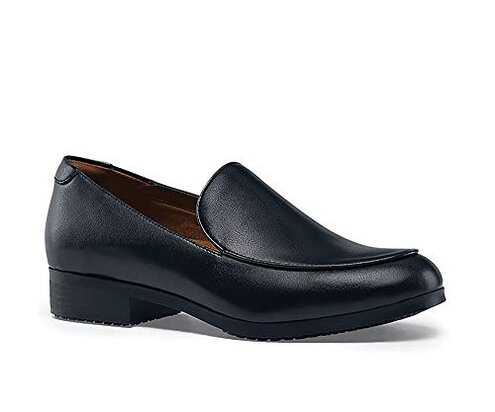
Narrow fit? Why do these feel too tight after a few hours?
Regret moment You notice pinching across the forefoot during your first long shift. Severity The discomfort can make standing or walking painful by mid-shift.
Pattern This is a recurring complaint among buyers with average-to-wide feet. When the issue appears: during first use and grows worse over several hours on your feet. Category contrast More disruptive than typical loafers, because many mid-range work shoes fit wider out of the box.
Does comfort fade during long shifts?
- Early sign Fits fine out of the box but soreness develops within hours of standing or walking.
- Frequency tier This is a primary issue for users who work long shifts.
- Probable cause Slim internal shape and limited long-shift cushioning compared with peers.
- Impact Causes fatigue, requires extra breaks or insole swaps during a workday.
- Fixability Often improved by replacing insoles, but that adds extra cost and time.
Will they stay slip-resistant under heavy use?
- Pattern Traction problems are a secondary but persistent theme once soles show wear.
- Usage anchor Problems surface after months of daily exposure to greasy or wet kitchens.
- Severity Slipperiness under worn conditions is more worrying than expected for a safety-focused brand.
- Cause Outsole tread smooths with heavy, repetitive concrete or greasy floors.
- Buyer impact Increased slip risk forces earlier replacement compared with some rivals.
- Mitigation Rotating two pairs or adding sole treatments reduces risk but adds cost.
- Hidden requirement Requires buyers to plan for earlier sole wear in high-slip workplaces.
Are these durable enough for daily work?
- Pattern Durability complaints are a secondary-to-edge-case issue depending on workload.
- Early sign Scuffed uppers and sole separation reported after heavy daily use.
- Frequency tier Less frequent than fit complaints but more disruptive when it happens.
- When Failures appear after repeated use over months, not immediately.
- Cause High-frequency wear in hospitality or long standing shifts accelerates breakdown.
- Buyer attempts Some users tried protective sprays or resoling temporarily.
- Fixability Repair often adds time and expense that outweighs value for many buyers.
- Category contrast More upkeep than most mid-range work loafers, which often last longer without repairs.
Illustrative excerpts
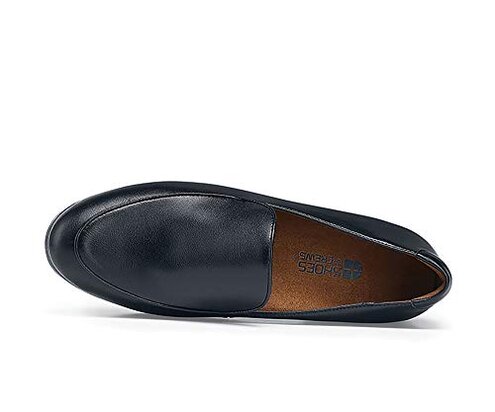
Excerpt "Too snug by afternoon, had to swap for sneakers mid-shift." — primary pattern
Excerpt "Good traction at first, slipperiness showed after months of kitchen use." — secondary pattern
Excerpt "Upper started peeling after heavy daily wear for several months." — edge-case pattern
Who should avoid this
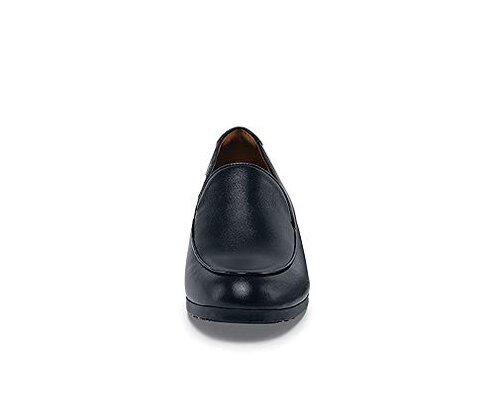
- Wide-footed workers If you have medium-to-wide feet, the slim shape causes ongoing discomfort.
- Long-shift staff If you stand or walk 8+ hours daily, comfort tends to drop mid-shift.
- High-wear environments If your job exposes shoes to grease and heavy abrasion, expect earlier sole wear.
Who this is actually good for
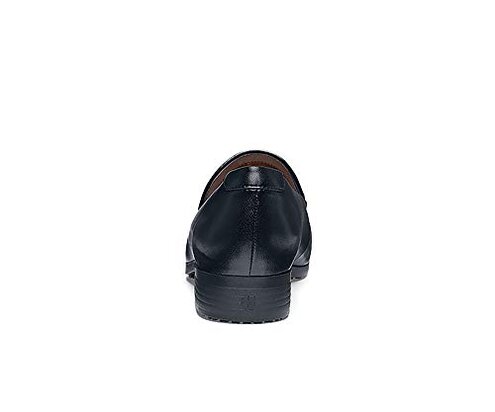
- Narrow-footed buyers Those with slim feet may get a snug, secure fit and like the pointed fit.
- Light-shift staff If you wear them only a few hours a day, comfort degradation is less likely.
- Office or occasional use Works well for dressy work duties where heavy kitchen wear is minimal.
Expectation vs reality
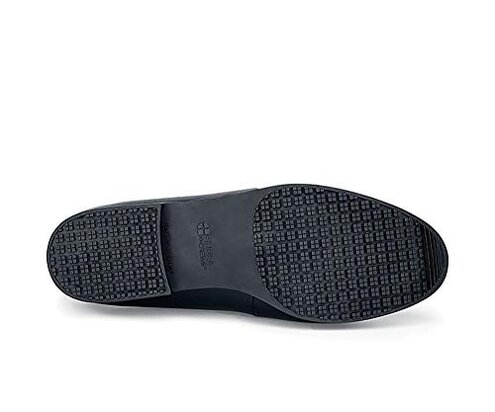
Expectation Reasonable for this category: slip-resistant shoes should stay grippy across months of kitchen work. Reality Traction can decline faster than expected under heavy, greasy conditions.
Expectation Reasonable for this category: work loafers usually fit true-to-width. Reality This model runs slim and often needs sizing up or an aftermarket insole.
Safer alternatives
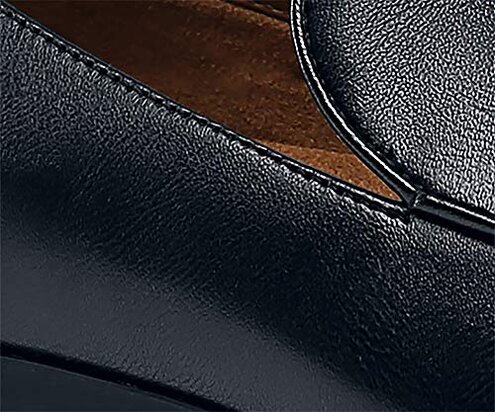
- Try wider fits Look for models marketed as "wide" or "roomy" to neutralize the narrow-fit failure.
- Rotate pairs Buy a backup pair to reduce outsole wear and preserve traction on slick floors.
- Plan for insoles Budget for replacement insoles if you want sustained mid-shift comfort.
- Inspect tread Choose shoes with deeper, replaceable tread patterns for heavy greasy environments.
The bottom line
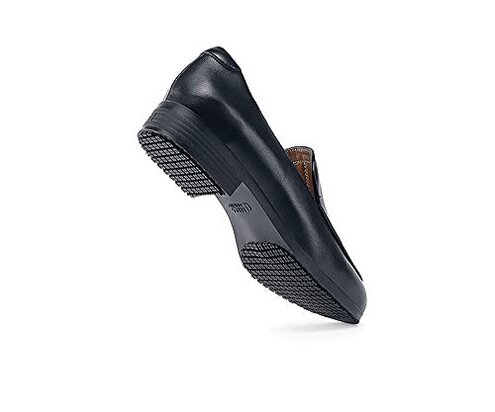
Main trigger The primary regret is the slim fit causing mid-shift pain and sizing surprises. Why worse It exceeds normal category risk because fit surprises directly reduce usable shift time for many buyers.
Verdict Avoid this pair if you have wider feet or long standing shifts. Consider alternatives with roomier lasts and proven long-shift cushioning.
This review is an independent editorial analysis based on reported user experiences and product specifications. NegReview.com does not sell products.