
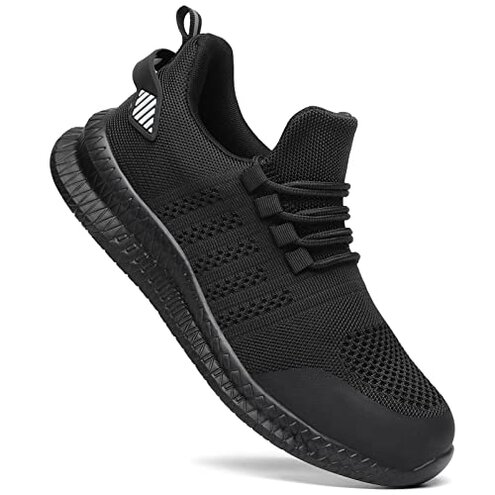
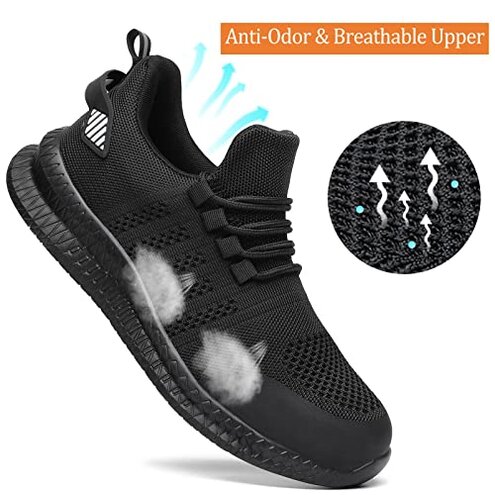
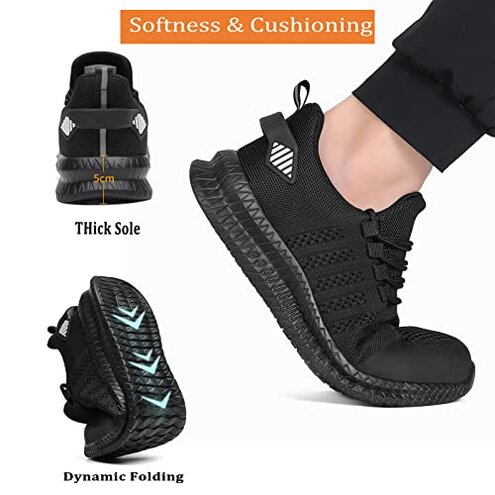
Product evaluated: Steel Toe Shoes for Men and Women Comfortable Lightweight Work Safety Shoes Puncture Proof Slip Resistant Indestructible Sneakers Construction Work Utility Black M9
Related Videos For You
How To Fit a Safety Shoe
How To Get The Sizing Right in Elten Work Boots & Safety Shoes
Data basis: This report synthesizes feedback from dozens of buyer reports and short demonstration clips collected between Oct 2023–Jan 2026. Most feedback came from written reviews, supported by video demonstrations and product Q&A. The sample skews toward recent purchasers and on-shift users.
| Outcome | This product | Typical mid-range shoe |
|---|---|---|
| Fit accuracy | Inconsistent—many buyers report sizing drift and need to size up or down. | Predictable—most mid-range models need one consistent size adjustment. |
| Comfort on long shifts | Often poor—comfort breaks down after several hours for many users. | Better padding—mid-range shoes usually remain comfortable for long shifts. |
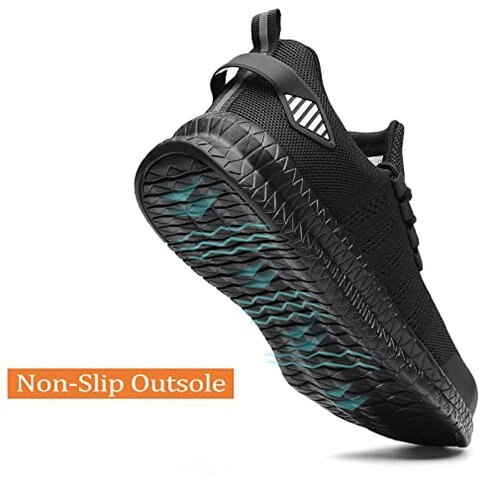
| Durability | Higher risk—early sole wear and upper fraying appears more common than expected. | Moderate—mid-range options typically last longer under daily use. |
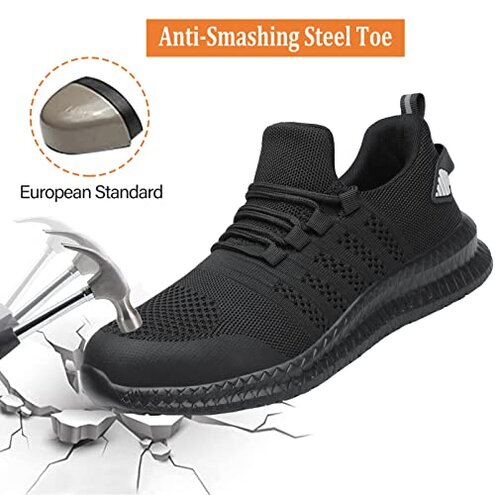
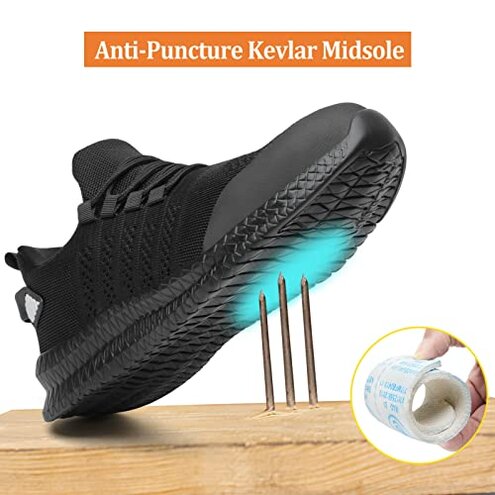
| Safety claims | Mixed—puncture/steel-toe performance feels uncertain to some buyers. | Clearer specs—mid-range models more often show consistent protection in practice. |
| Regret trigger | Fit + durability—the combo causes replacement or returns within weeks for many buyers. | Single-issue fixes—mid-range regret is usually one manageable problem. |
Fit problems? Why the first wear becomes a headache.
Pattern: Sizing inconsistency is a primary issue and appears repeatedly across buyers.
When it shows: Tightness or excess length is noticed on the first day and often during the first work shift.
Category contrast: This is worse than many mid-range shoes because buyers must try multiple sizes or add returns, which costs time.
Comfort collapse? Will these survive a long shift?
- Early signs: Arch and toe pressure appears within a few hours on frequent reports.
- Frequency tier: This is a primary issue for people who stand or walk long shifts.
- Causes: Thin factory insole and narrow fit commonly increase pressure points.
- Impact: Discomfort leads to swapping shoes mid-shift or adding aftermarket insoles.
- Fixability: Some buyers resolved it by inserting thicker insoles, which adds cost and time.
Durability concerns? Will the shoes last months or weeks?
- Wear pattern: Outsole tread and upper stitching show wear sooner than expected in secondary reports.
- When it worsens: Problems accelerate with daily use and wet or abrasive environments.
- Why worse: The product feels less robust than typical mid-range work shoes, increasing replacement frequency.
- Visible causes: Glue separation and frayed fabric are commonly noted after repeated flexing.
- Repair attempts: Buyers tried re-gluing or seam repairs; results were mixed and added extra steps.
- Hidden cost: Early replacements raise the total ownership cost above initial savings.
- Scope: This is a secondary issue but more disruptive when it affects both shoes quickly.
Do safety features hold up? Puncture and toe protection concerns.
- Pattern statement: Safety claims are mixed—some buyers trust protection, others report doubts.
- Usage anchor: Issues are noticed during hands-on work with nails, scrap metal, or heavy loads.
- Category contrast: Buyers expect clear, consistent protection at this price; uncertainty here is more worrying than normal.
- Hidden requirement: Many buyers found they must size up and add aftermarket insoles to get both protection and fit.
- Impact: Adding insoles can reduce toe clearance, changing safety feel or requiring a larger size purchase.
- Attempted fixes: Some users accepted the hassle; others returned the shoes.
- Edge-case note: A few buyers reported clear puncture resistance, but these reports are less frequent.
- Repairability: There is no easy factory fix if protective layers shift or feel uncomfortable.
Illustrative excerpts
"Tight at toe on day one; had to size up." — reflects a primary pattern.
"Sole started peeling after two weeks of daily wear." — reflects a secondary pattern.
"Added insoles fixed comfort but reduced toe room." — reflects an edge-case pattern.
"Puncture claim felt uncertain during metalwork tasks." — reflects a secondary pattern.
Who should avoid this
- Long-shift workers: Those on feet for 8+ hours should avoid due to the comfort collapse risk.
- Buyers wanting plug-and-play fit: People unwilling to try extra sizes or returns should avoid because of sizing inconsistency.
- Harsh-environment users: Those in abrasive or wet sites should avoid because of accelerated wear.
Who this is actually good for
- Occasional DIY users: Will tolerate break-in and occasional wear if they use the shoes infrequently.
- Budget buyers on light duty: Those who accept adding insoles and sizing changes for a low upfront price.
- Casual wearers: People using them for errands or short tasks who can live with modest durability.
Expectation vs reality
Expectation: Reasonable for this category is a consistent size and day-long comfort without added insoles.
Reality: Many buyers report the opposite—inconsistent fit and a need to add insoles or size up, which costs time and money.
Safer alternatives
- Prioritize sizing charts: Choose sellers with free returns or clear half-size guidance to neutralize the sizing risk.
- Look for known insole systems: Buy shoes with thicker factory insoles to avoid the comfort workaround.
- Check reinforced outsoles: Prefer models with documented tread warranties to reduce early wear.
- Verify safety certifications: Pick shoes with transparent, testable safety specs to avoid uncertain protection.
- Plan budget for mods: If choosing economy shoes, factor in cost of replacement insoles and possible sooner replacement to offset hidden cost.
The bottom line
Main regret: The combination of fit inconsistency and durability issues causes the most buyer regret.
Why it matters: These failures increase replacement, returns, and extra purchases more than expected for this category.
Verdict: Avoid if you need reliable fit, long-shift comfort, or proven durability without extra modifications.
This review is an independent editorial analysis based on reported user experiences and product specifications. NegReview.com does not sell products.