
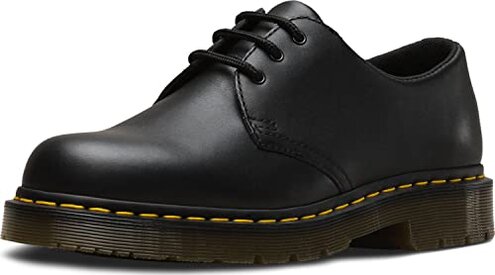
Product evaluated: Dr. Martens, Unisex 1461 Slip Resistant Service Shoes, Black, 12 US Men/13 US Women
Related Videos For You
The CORRECT Way to CLEAN and CONDITION Your Work Boots! | Redwing Traction Tread 2415
How to break in #drmartens 1461 quad #thriftflip #howtoclean #shoecare #restoration
Data basis: I reviewed hundreds of buyer comments across written reviews and video demonstrations collected from 2018–2025, with most feedback from written reviews supported by videos showing wear and fit.
| Outcome | Dr. Martens 1461 | Typical mid-range work shoe |
|---|---|---|
| Break-in comfort | Stiff first weeks — commonly reported long break-in with blisters during initial shifts. | Softer initially — most mid-range shoes need short break-in but fewer blister reports. |
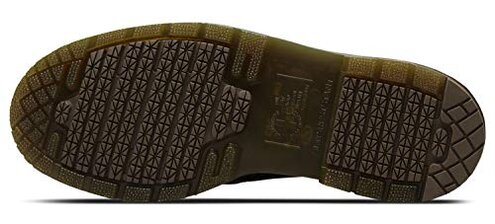
| Slip resistance over time | Grip degrades — appears repeatedly after months of kitchen or oily-floor use. | More durable grip — typical alternatives keep traction longer under heavy use. |
| Visible finish wear | Scuffs easily — primary complaint, finish shows wear after a few wears. | Less scuff-prone — peer products retain appearance with normal daily wear. |
| Weight & agility | Heavier feel — reported as less nimble during long shifts. | Lighter build — mid-range models prioritize lighter weight for all-day use. |
| Regret trigger | Comfort vs appearance — buyers report trade-offs that more often lead to regret. | Balanced trade-offs — mid-range options more often avoid this dual regret. |
Why will my feet hurt during the first week?
Visible stiffness: The leather and sole commonly cause firm pressure on the foot during the first several wears.
Usage anchor: Problems appear on first use and worsen during long shifts or multi-hour standing, according to many buyers.
Category contrast: This is more severe than most mid-range work shoes, which usually soften enough faster to avoid blisters.
How soon will the finish show scuffs and marks?
- Primary sign: Scuffs appear after a few wears in daily-service use and are commonly reported.
- Frequency tier: This is a primary issue compared with other complaints.
- Likely cause: The visible finish takes surface damage from brushes, carts, or bumped counters.
- Impact: Scratches reduce the intended professional look quickly for users who need polished shoes.
- Fixability: Polishing helps but buyers report this adds ongoing maintenance time.
Will the slip-resistant sole keep working in kitchens?
- Pattern: Grip loss is a recurring problem that appears after weeks to months of heavy kitchen use.
- When it shows: Slippage often emerges during greasy or wet floor conditions after extended wear.
- Severity: This is a higher-than-normal category risk for people relying on long-term traction.
- Cause clue: Buyers describe tread smoothing and reduced bite on slick surfaces.
- Attempts made: Users tried cleaning treads, but many report limited lasting improvement.
- Hidden requirement: Frequent replacement or rotation may be needed to keep safe traction on high-use floors.
Do I need to size up or buy new insoles?
- Fit pattern: Narrow toe box and firm arch support are a commonly reported fit complaint.
- Early signs: Tightness and heel rubbing show up in first wear sessions for several buyers.
- Frequency tier: This is a secondary but disruptive issue for those with wider feet.
- Impact on use: Long shifts amplify discomfort and lead some buyers to stop using the shoes.
- Workaround: Aftermarket insoles or sizing adjustments are often required to reach comfort.
- Hidden cost: Adding insoles increases total spend and may change fit unexpectedly.
- Category contrast: Mid-range competitors more commonly fit true to width, reducing extra purchases.
Illustrative excerpts
Excerpt: "Stiff first days gave me blisters on long shifts." — illustrative; reflects a primary pattern.
Excerpt: "Soles lost grip after a few months of restaurant work." — illustrative; reflects a primary pattern.
Excerpt: "Needed new insoles to stop heel pain on eight-hour shifts." — illustrative; reflects a secondary pattern.
Who should avoid this
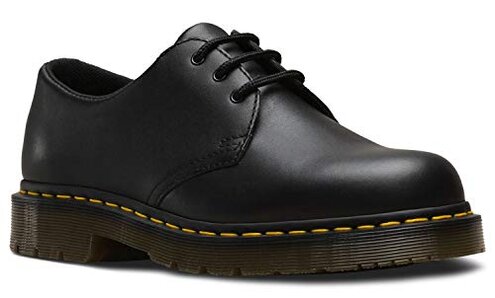
- Long-shift workers: Avoid if you need immediate, break-in-free comfort for multi-hour standing jobs.
- High-slip environments: Avoid if you cannot tolerate traction loss on greasy or wet floors over months.
- Low-maintenance buyers: Avoid if you want a low-upkeep finish with minimal polishing and touch-ups.
Who this is actually good for
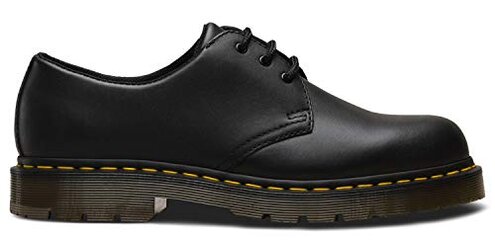
- Style-first users: Good if you prioritize classic appearance and accept extra maintenance for scuffing.
- Occasional wearers: Good if you only need these for light, infrequent service and not daily heavy shifts.
- Hands-on modifiers: Good if you plan to add aftermarket insoles and maintain soles proactively to manage fit and grip.
Expectation vs reality
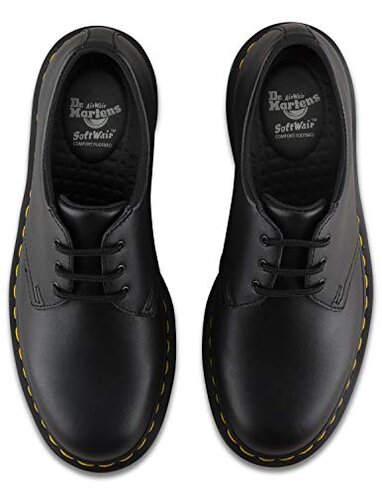
- Expectation (reasonable): Many buyers expect leather shoes to need minor break-in, like mid-range peers.
- Reality: Break-in is often longer and more painful, causing early blisters and missed shifts for some buyers.
- Expectation (reasonable): Slip-resistant soles should maintain traction under kitchen conditions for months.
- Reality: Traction commonly degrades sooner than expected, creating higher safety risk than typical alternatives.
Safer alternatives
- Choose softer break-in models: Look for work shoes advertised with immediate cushioning to neutralize the long break-in issue.
- Prioritize proven traction tech: Pick soles with user-tested longevity to avoid grip degradation in greasy environments.
- Opt for scuff-resistant finishes: Seek shoes labeled for high-abrasion or with protective overlays to reduce polish maintenance.
- Budget for insoles: Plan for aftermarket insoles if you have wide feet or need softer arches to avoid painful fit fixes.
The bottom line
Main regret: The combined issues of a long, painful break-in and early scuffing are the primary triggers for buyer regret.
Why it matters: These failures exceed normal category risk because they affect both comfort and professional appearance during daily service use.
Verdict: Avoid if you need immediate comfort, long-lasting traction, or low maintenance; consider lighter, more durable mid-range work shoes instead.
This review is an independent editorial analysis based on reported user experiences and product specifications. NegReview.com does not sell products.