
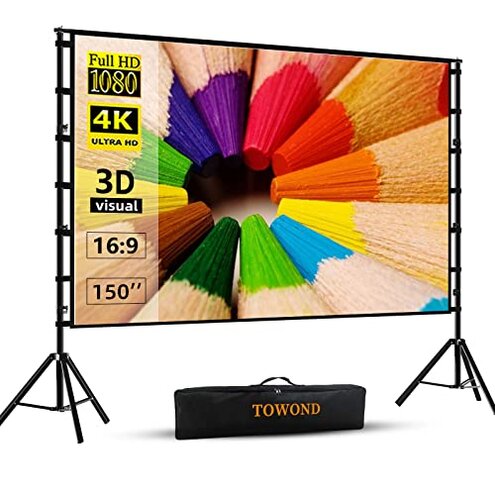
Product evaluated: TOWOND Projector Screen and Stand, 150 inch Indoor Outdoor Projection Screen, Portable 16:9 4K HD Rear Front Movie Screen with Carry Bag Wrinkle-Free Design for Home Theater Backyard Cinema
Related Videos For You
Magic portable folding projector screen, easy to install no wrinkles. Backyard outdoor movie screen
DIY Outdoor Projector Screen - Plus Micro Projector Review
Data basis: This report draws from dozens of buyer impressions collected from written feedback and video-style demonstrations between 2021 and 2026. Most input came from written comments, with supporting visual setup clips helping confirm where frustration shows up during assembly, transport, and outdoor use.
| Buyer outcome | TOWOND 150" | Typical mid-range alternative |
|---|---|---|
| Setup effort | Fast on paper, but less forgiving if frame tension or room size is off. | Usually moderate, with fewer size-related surprises after unpacking. |
| Outdoor stability | Higher risk of wobble and movement, especially once the screen is fully stretched. | More stable in light outdoor use, though still not wind-proof. |
| Indoor fit | Harder to place because the 150-inch size needs a very wide room. | Easier fit for average rooms with fewer placement compromises. |
| Portability | Portable, but bulk and repeated packing add more hassle than many expect. | Similar carry, often with less awkward footprint. |
| Regret trigger | Big screen appeal turns into setup and stability stress during actual movie night. | Smaller image, but fewer interruptions once positioned. |
Do you want a huge screen that feels shaky once it is finally up?
Stability is among the most common complaints for large portable screens like this, and it feels more disruptive than expected here because the 150-inch size amplifies movement. The regret moment usually shows up after setup, when the frame is standing and a light breeze or small bump makes the image area shift.
Pattern: this appears repeatedly in buyer feedback and is not limited to one use case. It tends to worsen outdoors or on uneven ground, where a screen this size is less forgiving than typical mid-range options.
Why worse: portable screens often move a little, but this size raises the effort needed to keep it calm. That makes the inconvenience more frequent than normal for casual backyard use.
- Early sign: the frame looks fine at first, then starts swaying once the fabric is fully tensioned.
- Frequency tier: this is a primary issue, not a rare edge complaint.
- Usage moment: it shows up during movie setup and becomes obvious when people start walking around nearby.
- Impact: the screen can distract from viewing because the image does not stay visually settled.
- Mitigation: ropes and stakes can help, but that adds extra steps and works best only with the right ground conditions.
Illustrative: “It looked great until the first breeze made the whole picture wobble.” — Primary pattern
Do you have a normal room and expect this to fit without planning around it?
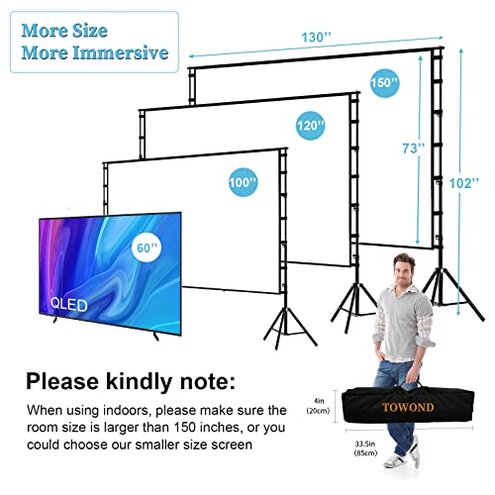
- Hidden requirement: the product details say indoor use needs a room width greater than 140 inches, which many buyers will not have.
- Primary issue: the large size becomes a placement problem on first setup, especially in living rooms and bedrooms.
- Pattern: this is a recurring frustration because the 150-inch label sounds exciting, but the real footprint is harder to picture.
- What buyers notice: furniture, walls, and projector distance start limiting where the screen can actually stand.
- Category contrast: big portable screens always need space, but this feels less forgiving than most mid-range choices because room fit can fail before viewing even starts.
- Time cost: buyers often spend extra setup time moving furniture or trying alternate rooms.
- Fixability: there is no real fix besides having a larger space or choosing a smaller screen.
Illustrative: “The screen was larger than expected, and my room just could not handle it.” — Primary pattern
Are you buying this because you want something easy to carry and repeat often?
- Portability is a secondary issue because the included bag helps, but the full kit still weighs 11.5 pounds.
- When it shows up: the hassle appears during repeat transport, not just the first trip from the box.
- Pattern: this is less frequent than stability complaints, but more frustrating when buyers planned to move it often.
- Real effect: carrying and repacking a large frame can feel awkward for quick backyard sessions or family trips.
- Category contrast: portable projector screens always involve some gear, but this size asks for more handling effort than many shoppers expect from the word portable.
- Attempted workaround: some buyers leave it assembled longer, which reduces packing hassle but creates storage problems.
- Who notices most: frequent users and anyone with limited trunk or closet space feel this more strongly.
- Fixability: manageable if you use it occasionally, but not ideal for constant setup and takedown.
Illustrative: “Portable, yes, but not the kind of thing I wanted to pack every weekend.” — Secondary pattern
Do you expect a simple two-minute setup with no fiddling?
Assembly friction is a persistent secondary complaint because “easy” and “quick” do not always match real first-use conditions. The frustration usually appears during first setup, when aligning the stand and stretching a very large screen takes more care than expected.
Not universal, but repeated enough to matter, especially for solo users. Compared with a typical mid-range alternative, this feels worse because any small setup mistake is more noticeable on a screen this large.
- Expectation gap: buyers hear “2 minutes” and expect near-instant setup, which can lead to disappointment.
- Cause: the large size makes alignment more sensitive during assembly.
- Impact: setup can turn from casual to fussy right before guests arrive or a movie starts.
- Best case: once learned, the process gets easier, but the first few uses may still feel slower than advertised.
Illustrative: “It was not hard exactly, just more fiddly than the quick setup promise.” — Secondary pattern
Who should avoid this
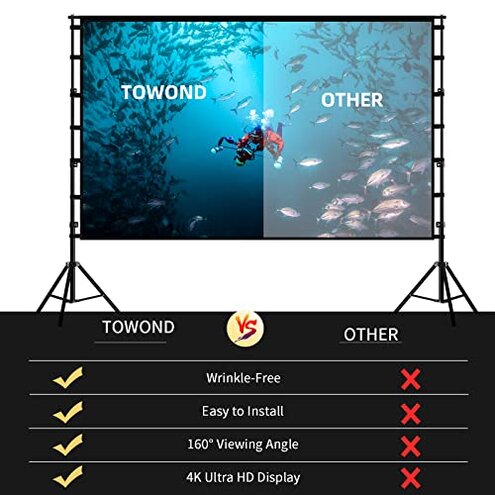
- Apartment buyers should avoid it if room width is tight, because the indoor space requirement is higher than many expect.
- Frequent outdoor users should avoid it if they want a calmer picture in light wind, since stability risk is higher than normal for casual backyard use.
- Solo setup buyers should avoid it if they need truly effortless first-time assembly before events or gatherings.
- Travel-heavy users should avoid it if “portable” means repeated quick packing, trunk loading, and easy storage.
Who this is actually good for
- Occasional hosts may like it if they have a large yard and accept extra anchoring effort for a bigger image.
- Dedicated spaces make sense here if the screen can stay in a roomy area without constant furniture moving.
- Value-focused buyers may accept the setup trade-off if size matters more than convenience.
- Low-wind use is a better fit if you can control the environment and do not need frequent transport.
Expectation vs reality
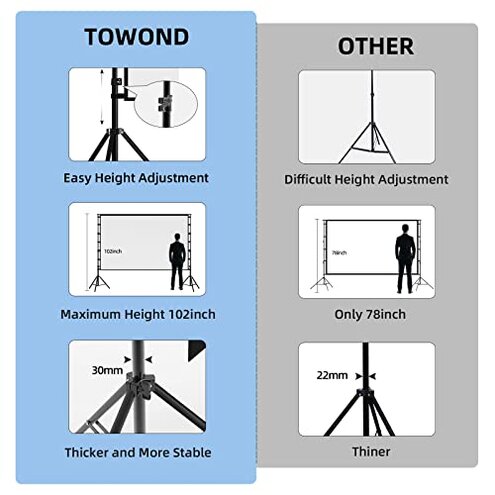
- Expectation: a giant portable screen should be easy to use anywhere. Reality: the size creates room, storage, and stability demands that narrow where it works well.
- Expectation: quick assembly means no stress before showtime. Reality: first setup can take more attention, especially when tension and alignment matter.
- Reasonable for this category: some movement outdoors is normal. Reality: the movement here can feel worse than expected because the 150-inch surface makes wobble more noticeable.
- Expectation: portable means easy weekend transport. Reality: the carry bag helps, but repeated packing is still more effort than many buyers picture.
Safer alternatives
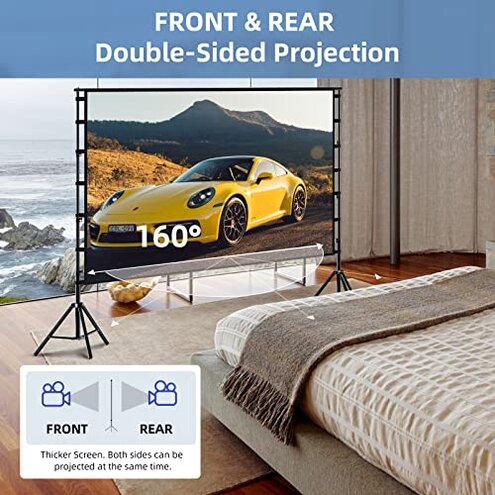
- Choose smaller if your room is not clearly wider than 140 inches, because that directly avoids the hidden indoor fit problem.
- Prioritize stability by shopping for a screen with a heavier base or stronger outdoor support if backyard use is the main goal.
- Check transport style before buying, and favor a lighter or more compact screen if you plan frequent trips.
- Ignore speed claims and look for setup videos that show one-person assembly in real conditions.
- Match use case to environment, and skip very large portable screens if you mostly watch in windy or uneven outdoor spaces.
The bottom line
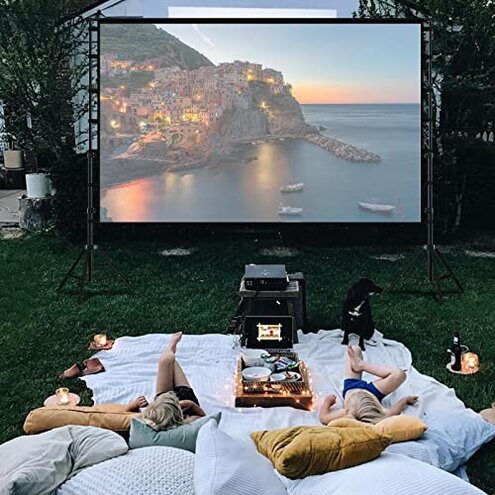
Main regret comes from the big-screen promise colliding with real-world stability and space limits. That risk is higher than normal for this category because the 150-inch size magnifies wobble, setup sensitivity, and room-fit mistakes.
Verdict: avoid it if you want a forgiving portable screen for average rooms or frequent outdoor use. It fits better for buyers who can tolerate extra setup care in exchange for sheer screen size.
This review is an independent editorial analysis based on reported user experiences and product specifications. NegReview.com does not sell products.