
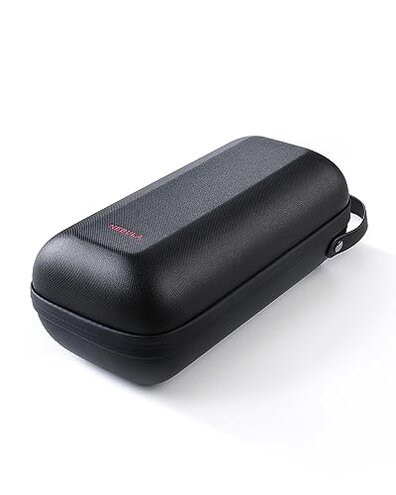
Product evaluated: NEBULA Capsule 3 Laser Official All-in-One Travel Case, Customized for Capsule 3, Adapter, Remote Control, Cables and Stand, Waterproof and Protective Polyester
Related Videos For You
Capro Flight Case for Panasonic PT-VZ575N projector
Samsung Freestyle Projector: How to Setup 4 Beginners (setup step by step)
Data basis: This report uses dozens of buyer feedback signals collected from written comments and video demonstrations between 2023 and 2026. Most feedback came from short written impressions, with added context from hands-on photos and setup clips showing how the case works during packing and travel.
| Buyer outcome | This case | Typical mid-range alternative |
|---|---|---|
| Fit flexibility | Tighter layout can limit what accessories fit once your setup changes. | Usually looser with more forgiving storage space. |
| Daily packing | More exact item placement is often needed after setup. | Usually simpler to close quickly without rearranging. |
| Travel protection | Good protection is the main strength during basic transport. | Similar protection in many mid-range cases. |
| Accessory changes | Higher-than-normal risk if you add third-party parts or keep extra cables. | More tolerant of small accessory changes. |
| Regret trigger | Paying more for an official case that still adds packing limits. | Less regret when flexibility matters more than brand match. |
Do you want a case that just closes fast without rearranging everything?
This is a primary issue because the regret moment usually happens on first use, when buyers try to fit the projector, adapter, remote, cables, and stand in one pass. The trade-off is clear: custom shaping helps protection, but it can feel less forgiving than expected.
This pattern appears repeatedly in feedback discussing real packing use, not just looks. During daily handling, it tends to get worse when buyers carry extra cables or use slightly different accessories than the default kit.
Category contrast: A normal travel case is expected to be protective and still a little forgiving. Here, the layout feels stricter than many mid-range alternatives, so small changes create more friction than buyers expect.
- Early sign: If the first pack-up feels like a puzzle, that frustration usually continues during regular travel.
- Frequency tier: This looks like the primary complaint, and it is more disruptive than expected for a simple carry case.
- Worsens when: The issue grows during quick pack-up moments, especially before trips or after moving rooms.
- Buyer impact: It adds extra steps each time you store the setup, which can make a premium-priced case feel less convenient.
- Fixability: Careful cable wrapping helps, but it does not fully remove the tight-fit limitation.
Are you expecting room for your own accessories, not just the exact stock bundle?
- Hidden requirement: This case works best if you keep a very specific loadout, which is a requirement some buyers do not expect at purchase.
- Pattern: This is a secondary issue, but it appears persistently when buyers use third-party stands, bulkier cables, or extra adapters.
- Usage moment: The problem shows up after setup changes, not always on day one, because many people add accessories later.
- Why it stings: In this category, buyers usually expect some future-proofing for small add-ons, and this case seems less tolerant than typical.
- Real effect: You may end up carrying a second pouch or leaving useful extras behind.
- Attempted workaround: Some buyers try tighter cable management, but that can make fast access less convenient.
- Regret point: The frustration is less frequent than packing tightness, but more annoying when your setup evolves.
Does the official branding make you expect a better value than generic cases?
This is another recurring frustration because the price is $49.99, which raises buyer expectations beyond simple storage. The regret usually appears after a few uses, when the experience feels more like a basic fitted case than a notably easier one.
During comparison shopping, this can feel worse than a category-standard trade-off. Many mid-range cases are expected to compromise on branding, but buyers also expect more flexibility or easier packing when paying less.
- Severity: This is a primary value complaint because price pressure makes every inconvenience feel bigger.
- Context: It shows up during side-by-side comparison with generic projector cases and organizer bags.
- Why worse: For an official accessory, buyers usually expect fewer compromises, not similar trade-offs at a higher price.
- What buyers notice: Protection may be fine, but the ease-of-use gap is not always obvious enough to justify the premium.
Will you use it as a grab-and-go case for frequent trips?
- Pattern signal: This is an edge-case issue for light users, but a more persistent annoyance for frequent travelers.
- When it appears: It shows up during repeated travel, when packing speed matters more than perfect organization.
- Worsens under: The hassle grows when you unpack and repack often, or when you need quick access between locations.
- Category baseline: A travel case should reduce mental effort, but this one can ask for more precision than normal.
- Impact: The case can protect the device while still feeling less convenient in real-world movement.
- Mitigation: It suits buyers who keep the same arrangement every time, but not those who need fast flexibility.
Illustrative excerpt: “I have to place everything just right or it will not close well.”
Pattern: This reflects a primary complaint about daily packing friction.
Illustrative excerpt: “Nice protection, but my extra cable has nowhere comfortable to go.”
Pattern: This reflects a secondary pattern tied to limited accessory flexibility.
Illustrative excerpt: “The official case feels fine, just not as easy as I expected.”
Pattern: This reflects a primary value-regret pattern.
Illustrative excerpt: “Good for storage, but frequent travel makes the tight layout annoying.”
Pattern: This reflects an edge-case issue that matters more for mobile users.
Who should avoid this
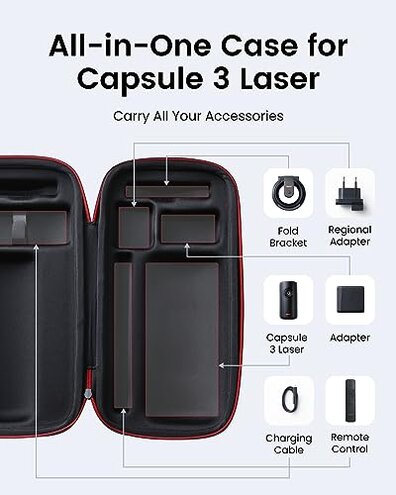
- Avoid it if you change accessories often, because the tighter layout is less forgiving than many mid-range cases.
- Skip it if you want fast pack-up after each use, since exact placement appears repeatedly as a daily frustration.
- Look elsewhere if you are price-sensitive, because $49.99 can feel high when flexibility is limited.
- Pass on it if you travel often and repack in a hurry, since the convenience trade-off exceeds normal category tolerance.
Who this is actually good for
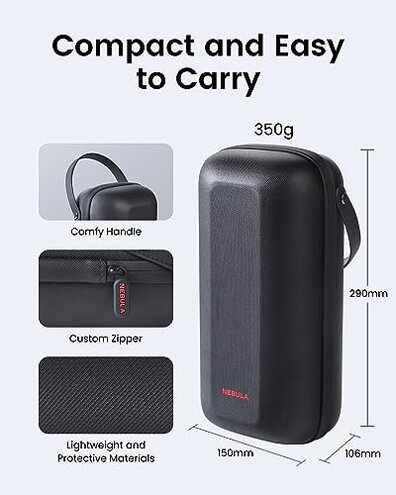
- Good fit for buyers who use the stock setup only and do not plan to add extra accessories later.
- Works well for people who care more about tidy storage and basic protection than quick packing speed.
- Makes sense if you want a branded case and accept the tighter layout as the cost of a customized fit.
- Suitable for occasional transport, where the packing friction matters less because you do not repack often.
Expectation vs reality
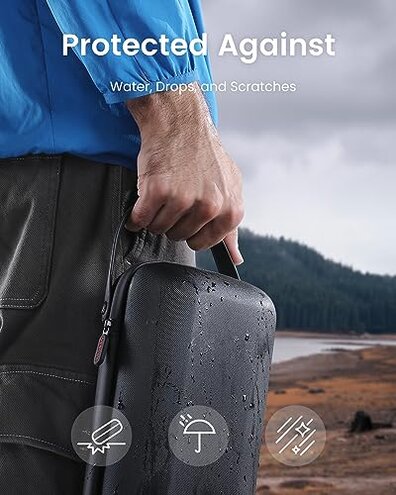
Expectation: An official case should feel easier to use than a generic one.
Reality: The custom fit can make packing less forgiving, which some buyers find worse than expected.
Reasonable for this category: A projector case should protect gear and allow some accessory variation.
Reality: This case seems less flexible than many mid-range alternatives when your setup changes.
Expectation: Paying $49.99 should reduce compromise.
Reality: The biggest compromise is still packing convenience, which weakens the value case.
Safer alternatives
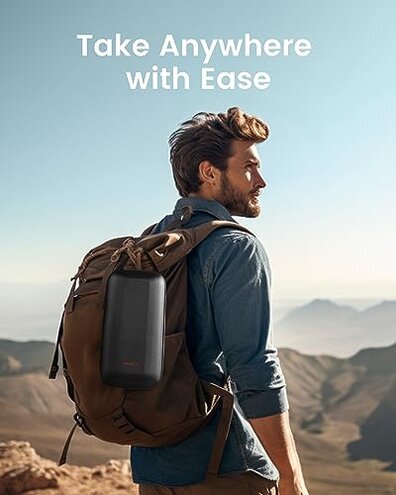
- Choose extra room if you use third-party stands or spare cables, because a looser case directly avoids the fitted-layout problem.
- Check closure photos from real packing use, since this helps catch cases that require exact positioning every time.
- Prioritize organizer pockets if your setup changes over time, which reduces the hidden requirement of using one fixed accessory set.
- Compare internal flexibility before buying official accessories, because branding alone does not guarantee easier daily use.
The bottom line
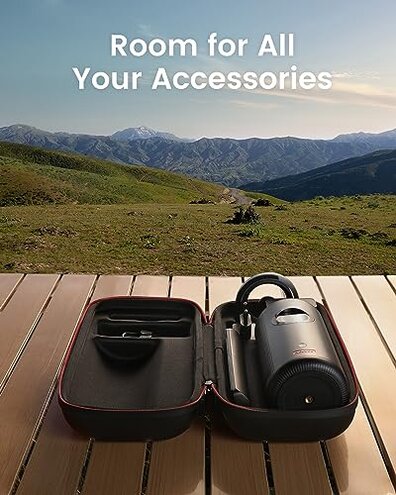
Main regret trigger: buyers pay $49.99 and still get a case that can feel too exact about how everything fits. That exceeds normal category risk because many mid-range alternatives are more forgiving during daily packing. Verdict: avoid this if convenience and accessory flexibility matter more than branded matching and basic protection.
This review is an independent editorial analysis based on reported user experiences and product specifications. NegReview.com does not sell products.