
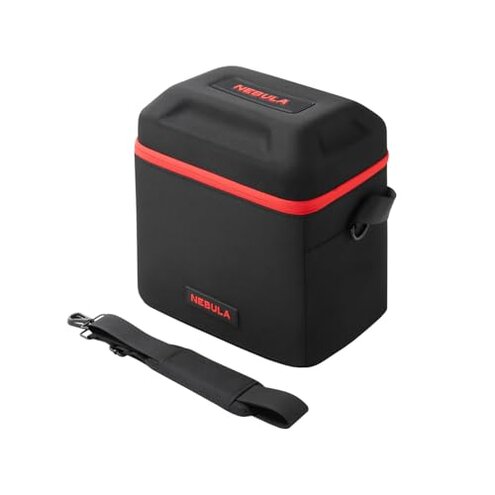
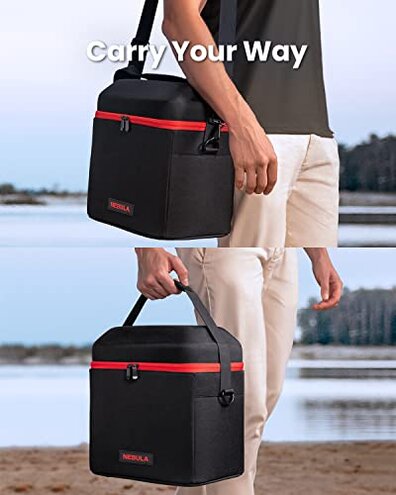
Product evaluated: NEBULA Travel Case Mars 3, Cosmos 4K SE, Cosmos Laser 4K, Waterproof and Protective Polyester with Material to Prevent Collision, Hand and Shoulder Strap Included
Related Videos For You
Ultimate Portable Movie Setup That Works Anywhere - Anker Nebula Capsule 3
Gator Cases - ATA TSA Projector Cases
Data basis: This report draws on dozens of buyer comments gathered from written feedback and video-style impressions collected from 2022 to 2026. Most input came from short written reactions, with supporting hands-on clips and photo-based feedback adding context about fit, value, and day-to-day carrying use.
| Buyer outcome | NEBULA case | Typical mid-range case |
|---|---|---|
| Fit confidence | Higher risk of snug or model-specific fit questions before first use | Usually easier to judge if dimensions and padding layout are simpler |
| Accessory storage | More limited once you add cords, remote, and microphones together | Often more flexible with less custom shaping |
| Travel convenience | Mixed because protection helps, but bulk adds carrying effort | More balanced between protection and easy packing |
| Value feeling | More fragile at the listed price if fit or storage is not ideal | Less risky when price is lower or layout is more universal |
| Regret trigger | Paying premium and still needing to compromise on what fits | Settling for less polish, but fewer surprises |
Does it feel overpriced once you actually pack it?
Price regret is one of the primary complaints, and it becomes obvious on first use when buyers compare the simple job of a carry case to the cost. The trade-off is clear: you get a branded match, but the asking price feels more disruptive than expected for this category.
This pattern appears repeatedly across buyer feedback, though not universally. It tends to sting more after setup, when people realize the case may still require compromises in accessory storage.
Category contrast: Carry cases in this price band usually earn their keep with either extra flexibility or clearly premium build. Here, the value gap feels wider because the product is specialized but still limited.
- Primary issue: The most common frustration is paying $99.99 for a case that some buyers say feels too basic for the cost.
- When it hits: The regret usually starts right after unpacking or the first time you load the projector and extras.
- Why worse: A typical mid-range alternative often costs less, so buyers expect either more room or a more obviously premium carrying experience.
- Buyer trade-off: You are paying for a model-matched design, not broad flexibility.
- Fixability: There is no easy fix for value disappointment beyond deciding the exact fit matters enough to justify the cost.
Will all your gear actually fit without a struggle?
- Recurring issue: Storage limits are a secondary complaint, especially during real packing rather than at purchase time.
- Usage moment: This shows up when buyers try to carry the projector, remote, power cord, and microphones together for the first trip.
- Early sign: If your setup includes extra cables or add-ons beyond the listed basics, space pressure becomes more likely.
- Hidden requirement: The case works best if you carry a very specific loadout, not a growing kit with spare accessories.
- Impact: Buyers may end up carrying some items separately, which weakens the convenience of a dedicated travel case.
- Category contrast: That is more frustrating than normal because many mid-range cases trade custom shaping for more forgiving storage.
- Pattern level: This is persistent rather than universal, but more frustrating when it happens than minor cosmetic complaints.
Is the custom fit too specific for mixed projector use?
Compatibility doubt is a real edge for buyers who own a supported unit today but may switch gear later. That friction shows up before purchase and again after repeated use, when people notice how little flexibility a shaped case leaves.
The pattern is less frequent than price complaints, but it is more frustrating when it occurs because it affects whether the case stays useful long term. A normal case in this category is often less elegant, but also less restrictive.
- Scope: This concern appears across multiple feedback types whenever buyers compare the case with universal alternatives.
- When worse: It becomes a bigger problem if you upgrade devices, share gear, or use third-party accessories.
- Why it matters: A very custom layout can turn into wasted storage space or awkward packing with anything outside the intended setup.
- Cost impact: That makes the premium price feel riskier than a more adaptable case.
Does the protection add more bulk than expected?
- Secondary issue: Some buyers accept the protection but still dislike the bulk during everyday carrying.
- Usage context: This shows up during travel days, storage in tight spaces, or when packing other items alongside it.
- Cause: The protective structure helps guard against bumps, but that same structure can make the case feel less packable.
- Impact: It may take up more room in a car bag or closet than a softer mid-range case would.
- Why worse: That is a higher-than-normal category risk for buyers who wanted protection without adding extra carrying effort.
- Attempted workaround: Using the shoulder strap helps with transport, but it does not reduce the space the case occupies.
- Pattern note: This complaint is not universal, but it appears repeatedly among portability-focused buyers.
Illustrative: “I paid premium money and still had to leave small extras behind.”
Pattern: This reflects a primary complaint about value and storage limits.
Illustrative: “Nice shell, but it feels too specialized for how I actually travel.”
Pattern: This reflects a secondary concern about flexibility and long-term usefulness.
Illustrative: “It protects well, but the case itself is another bulky item to manage.”
Pattern: This reflects a secondary portability complaint during real trips.
Illustrative: “I expected a cleaner all-in-one carry solution for this price.”
Pattern: This reflects a primary value regret pattern.
Who should avoid this
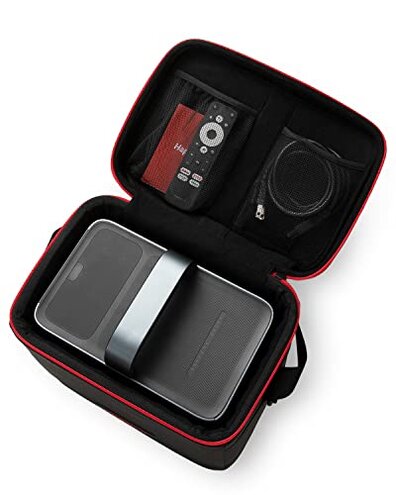
- Skip it if you want a lower-cost case and would resent paying premium pricing for a single-purpose accessory.
- Avoid it if your travel kit keeps growing with spare cables, adapters, or extras that need flexible storage.
- Pass if you change projectors often or want one case to serve future devices with fewer fit restrictions.
- Look elsewhere if compact packing matters more than hard-sided protection during car trips or storage.
Who this is actually good for
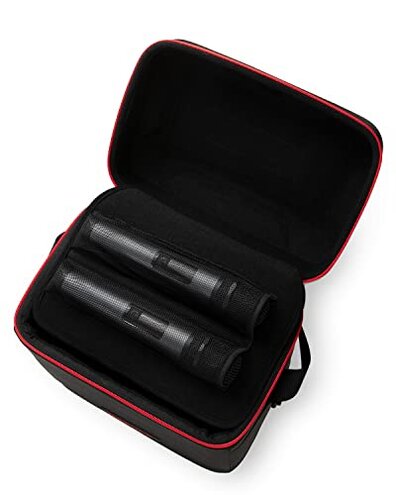
- Good fit for buyers who own one supported projector and carry only the core items listed by the maker.
- Makes sense if you value dedicated protection more than price and accept the bulk that comes with it.
- Works better for occasional transport than for frequent mixed-gear travel, because the limited layout is easier to tolerate.
- Reasonable choice if brand matching and simple grab-and-go storage matter more to you than universal compatibility.
Expectation vs reality
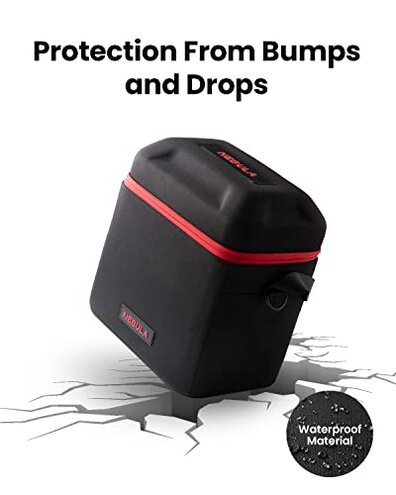
Expectation: A dedicated case should make travel simpler with no real packing compromises.
Reality: The custom layout can create storage trade-offs once your accessory setup goes beyond the basics.
Expectation: For this category, it is reasonable to expect a mid-range case to balance protection, price, and flexibility.
Reality: Here, the protection is clear, but the price-to-flexibility gap feels worse than expected to value-focused buyers.
Expectation: A branded case should feel future-proof enough for normal ownership changes.
Reality: The specific fit can become a drawback if your projector setup changes later.
Safer alternatives
- Choose adjustable interiors if your biggest concern is the hidden requirement of carrying only a very specific accessory set.
- Compare internal layout before buying if value matters, because flexible compartments can reduce the premium regret trigger.
- Prioritize slimmer shells if trunk space, closet space, or daily portability is more important than maximum structure.
- Buy for future gear if you upgrade often, since a more universal case lowers the long-term compatibility risk.
The bottom line
Main regret comes from paying a premium price and then discovering the case can feel too limited in storage or too specific in fit. That exceeds normal category risk because many mid-range cases are less polished but more forgiving in real use. Verdict: avoid this if you are value-sensitive, carry extra accessories, or want one case to stay useful across changing gear.
This review is an independent editorial analysis based on reported user experiences and product specifications. NegReview.com does not sell products.