
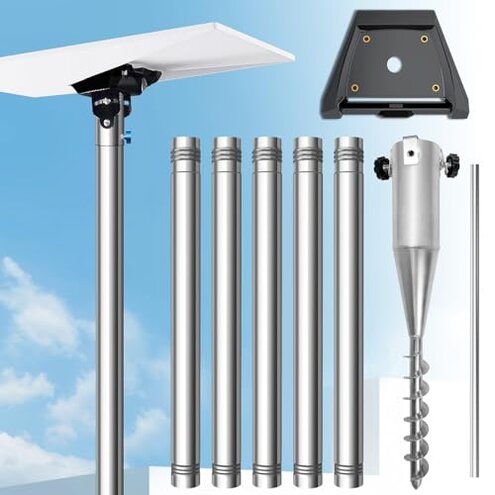
Product evaluated: Starlink Gen 3 Pole Mount Kit, Ybervont 9Ft Starlink Ground Pole Mount Gen 3, Features 1.5'' Diameter Stainless Steel Pole with No-Dig Spiral Ground Anchor, Starlink Mounting Kit Gen 3 Pipe Adapter
Related Videos For You
The BEST solution for the TERRIBLE design STARLINK Gen3 pole mount!
Starlink Standard Gen 3, Ver 4 Pipe mount install. Re-use of ViaSat mount.
Data basis: This report summarizes dozens of buyer feedback signals collected from written comments and video-style setup demonstrations during 2024 to 2026. Most feedback came from written reviews, with added context from visual installation walk-throughs, which helps show where setup problems and stability concerns tend to appear in real use.
| Buyer outcome | Ybervont mount | Typical mid-range alternative |
|---|---|---|
| Setup effort | Higher if your ground is hard, rocky, or uneven. | Moderate with more predictable install steps. |
| Wind confidence | Mixed because stability depends heavily on soil conditions. | More consistent when base hardware is less ground-dependent. |
| Portability trade-off | Better for moving sites, but that can reduce set-and-forget confidence. | Usually lower portability, but less daily doubt once installed. |
| Hidden requirement | Above normal because you may need very specific ground conditions for the anchor to work well. | Lower because many alternatives are more forgiving across yards. |
| Regret trigger | Buying for easy installation and then finding the site needs extra effort or a different mount style. | Usually buying for permanence and accepting lower portability. |
Did you buy this for an easy install and still end up fighting the ground?
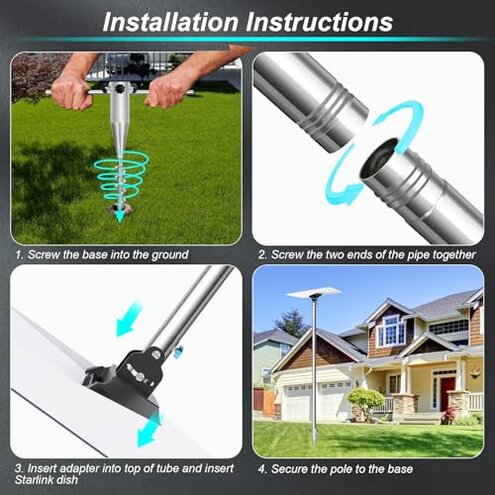
This is a primary issue and among the most common complaints for ground-mounted kits like this. The regret usually starts on first setup, when the no-dig promise meets hard soil, roots, or rocky ground.
The pattern appears repeatedly in setup-focused feedback. Compared with a typical mid-range mount, this feels less forgiving because the anchor idea only saves time when the yard cooperates.
- Early sign: The anchor stops turning cleanly within the first install steps.
- Frequency tier: Primary pattern in feedback tied to real yard conditions.
- When it happens: During setup, especially in compacted or uneven ground.
- Why it frustrates: No-dig sounds simpler than the experience many buyers report.
- Impact: It adds extra time, effort, and site trial-and-error.
- Attempted fix: Some buyers try relocating the mount spot, which can reduce signal-placement flexibility.
- Category contrast: A basic mid-range mount usually has setup work too, but this one creates more condition-sensitive hassle than expected.
Illustrative excerpt: “I expected a quick twist-in setup, but my yard said otherwise.” Primary pattern
Are you counting on it to stay solid in rough weather?
Stability concern is another recurring complaint, though not universal. It tends to show up after setup, once wind, rain, or softer ground start testing the mount.
The issue is more disruptive than expected because this product is sold around secure outdoor placement. In this category, buyers usually accept some movement risk, but not soil-dependent confidence that changes with weather.
- Pattern: Persistent concern across feedback discussing outdoor use.
- Context: It worsens during wind or after the ground softens.
- What buyers notice: Doubt about whether the dish stays pointed consistently.
- Why that matters: Even small movement can create ongoing worry for internet reliability.
- Trade-off: The portable design helps mobility, but can feel less confidence-inspiring than more permanent mounts.
- Fixability: Extra stabilization may help, but that undercuts the simple-install appeal.
- Category contrast: Mid-range alternatives are often less portable, yet they feel more predictable once mounted.
Illustrative excerpt: “It seemed fine at first, then windy days made me question it.” Secondary pattern
Do you need a true set-it-and-forget-it mount?
This is where the design trade-off shows. A foldable 9-foot pole sounds convenient, but the portability benefit can become a secondary issue for buyers who wanted a permanent solution.
- Hidden requirement: You need to be comfortable checking the installation after weather changes.
- When it shows up: During daily ownership, not just on day one.
- Pattern: Less frequent than setup trouble, but more frustrating for permanent installs.
- Buyer expectation: Many shoppers want a mount they can mostly stop thinking about.
- Reality: This style can create ongoing attention because placement and ground holding matter so much.
- Who feels it most: Buyers using it as a long-term home install instead of a portable option.
- Category contrast: That level of site dependence is higher than normal for a mid-range home mount.
- Fixability: Choosing a more permanent mount style is often the cleaner solution than forcing this one to fit.
Illustrative excerpt: “Portable is nice, but I really wanted something I could ignore.” Secondary pattern
Will the Gen 3 fit promise save you from compatibility headaches?
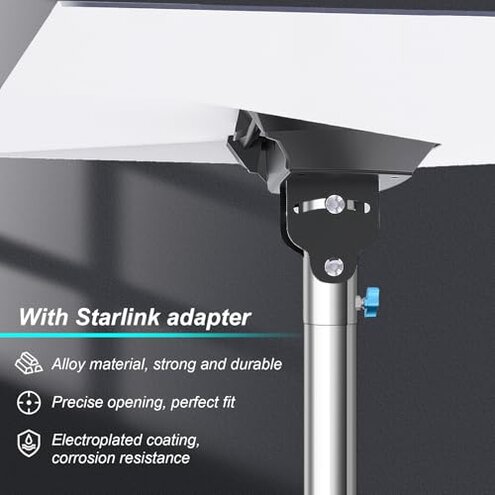
Compatibility is not the main complaint, but it is an edge-case issue that matters because buyers expect simple adapter alignment on a model-specific mount. When install parts do not feel immediately straightforward, setup frustration rises fast.
The pattern is less frequent than ground and stability complaints, yet more annoying when it happens because it stops progress right away. In this category, a dedicated adapter should feel more plug-and-play than some buyers seem to experience.
- When it appears: At assembly, before the mount is fully in use.
- How it feels: Small fit doubts turn into repeated checking and re-seating.
- Impact: It adds hesitation at the exact moment buyers expect a smooth install.
- Hidden cost: Troubleshooting burns time and confidence, even if the issue is eventually solved.
- Category contrast: For a Gen 3-specific kit, buyers reasonably expect less assembly uncertainty than this.
Illustrative excerpt: “I kept rechecking the adapter because it didn’t feel obvious.” Edge-case pattern
Who should avoid this
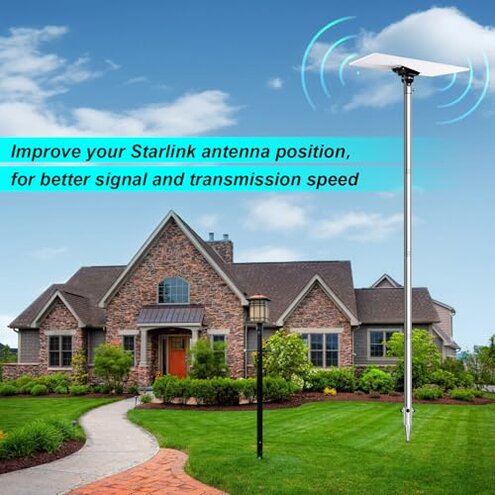
- Avoid it if your ground is rocky, compacted, or root-heavy, because setup difficulty appears repeatedly and can erase the no-dig benefit.
- Avoid it if you want maximum wind confidence for a permanent home install, since soil-dependent stability feels less predictable than typical mid-range options.
- Avoid it if you do not want post-install checks, because this style can demand more attention after weather changes.
- Avoid it if you are buying mainly for a quick, simple install, since that promise becomes the main regret trigger when yard conditions are not ideal.
Who this is actually good for
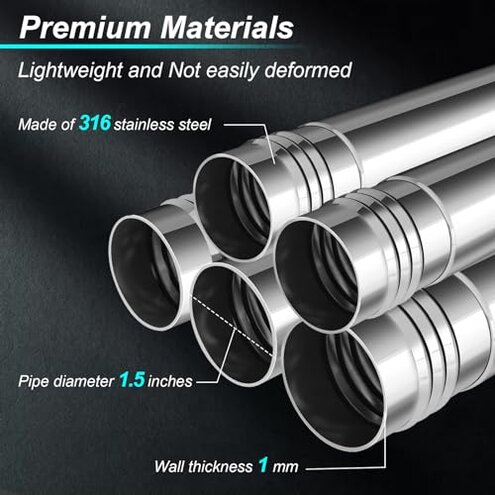
- Good fit for buyers with soft, workable ground who accept that install ease depends on site conditions.
- Good fit for temporary or movable setups where portability matters more than permanent-mount confidence.
- Good fit for users willing to trade some setup certainty for a compact pole that stores more easily.
- Good fit for people comfortable adjusting location and checking stability, because they can tolerate the hidden upkeep requirement.
Expectation vs reality
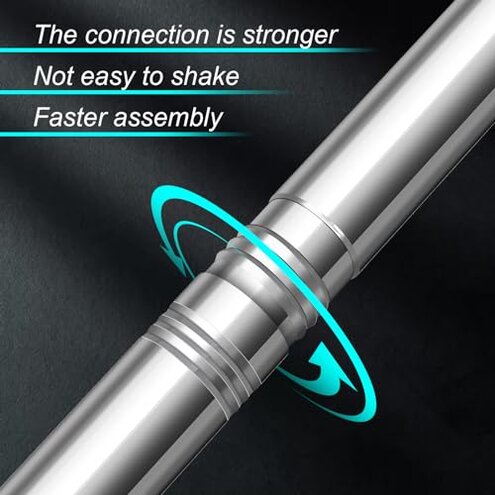
Expectation: A no-dig anchor should make setup faster than most mid-range mounts.
Reality: Reasonable for this category would be some effort, but here the effort can be worse than expected when the ground is not cooperative.
Expectation: A dedicated Gen 3 kit should feel straightforward to assemble.
Reality: Edge-case feedback suggests some buyers still hit enough uncertainty to slow the install.
Expectation: A 9-foot outdoor pole should feel confidently planted once installed.
Reality: Recurring concern is that confidence depends too much on soil and weather, which is a higher-than-normal category risk.
Safer alternatives
- Choose a base style that does not depend on screw-in ground holding if your yard is hard or rocky.
- Pick a more permanent mount if wind stability matters more than portability.
- Look for simpler assembly if you want a model-specific kit with less adapter doubt during setup.
- Prefer site-forgiving hardware if you cannot predict soil quality before buying.
- Use portability as a filter only if you truly need it, because that feature drives several trade-offs here.
The bottom line
The main regret trigger is buying this for easy, secure installation and then discovering that real-world ground conditions control the whole experience. That makes the risk higher than normal for a mid-range pole mount, because the no-dig promise is only as good as the yard underneath it. Avoid it if you need dependable set-and-forget stability more than portability.
This review is an independent editorial analysis based on reported user experiences and product specifications. NegReview.com does not sell products.