
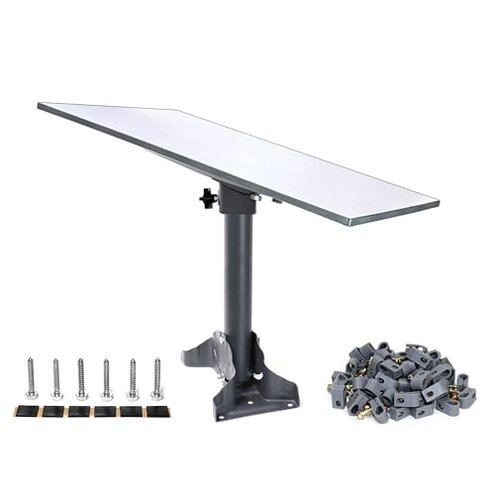
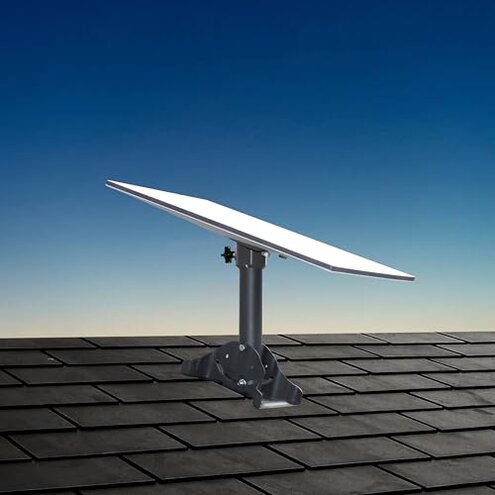
Product evaluated: Starlink Heavy Duty Pivot Mount Kit Compatible with Starlink Standard (GEN 3)
Related Videos For You
How to Install a Starlink Satellite Dish on Your Home
Starlink Pivot Mount - Installation and Review
Data basis This report summarizes dozens of feedback signals gathered from written buyer comments and video-style installation demos collected between 2024 and 2026. Most usable detail came from written reviews, with setup clips and product-page feedback helping confirm where problems show up during installation and daily outdoor use.
| Buyer outcome | This mount | Typical mid-range alternative |
|---|---|---|
| Fit confidence | Higher risk of buying the wrong version because the compatibility wording is easy to misread. | Usually clearer model fit with less version confusion. |
| Install effort | More involved because roof sealing and placement accuracy matter more during first install. | Moderate effort, often with simpler guidance and fewer buyer assumptions. |
| Mistake cost | Higher-than-normal category risk if you drill first and confirm fit later. | Lower risk when fit is obvious before mounting. |
| Weather confidence | Mixed confidence because sealing quality depends heavily on installer skill. | More forgiving for average DIY use. |
| Regret trigger | Buying for the wrong Starlink version or discovering roof work takes more time than expected. | Usually regret starts with price or appearance, not compatibility mistakes. |
Did you expect a simple fit, then realize the version match is easy to get wrong?
This is the primary issue. The most common regret moment happens before the mount even reaches the roof. Buyers expect a direct match, then notice the compatibility wording is narrower than the title suggests.
The pattern appears repeatedly. It shows up during unboxing and test-fitting, especially when shoppers assume all standard Starlink dishes use the same base. That feels worse than normal for this category, because a roof mount should be easier to confirm before purchase.
- Early sign: The title suggests broad compatibility, but the feature notes narrow it to a specific version setup.
- Frequency tier: Primary issue and among the most disruptive complaints because it can stop the install entirely.
- When it hits: It appears on first setup when buyers try to seat the dish or check the pole style.
- Why it happens: The listing language mixes GEN 3 wording with a separate note about another version style, which creates buyer confusion.
- Impact: The result is wasted time, return hassle, or a paused roof project after planning tools and weather around install day.
- Hidden requirement: You need to confirm dish base style before buying, not just rely on the product title.
- Fixability: This is only fixable before drilling; after that, frustration and extra cost go up fast.
Illustrative excerpt: “I thought standard meant any standard dish, but mine would not line up.” Primary pattern
Are you ready for roof work, sealing, and careful placement?
- Setup reality: This is a secondary issue, but it becomes very frustrating when buyers expect a quick bolt-on job.
- Usage moment: It shows up during installation when roof angle, stud location, and cable path all need planning.
- Why it feels worse: Most mid-range mounts still take effort, but this type is less forgiving because mistakes can affect both fit and roof sealing.
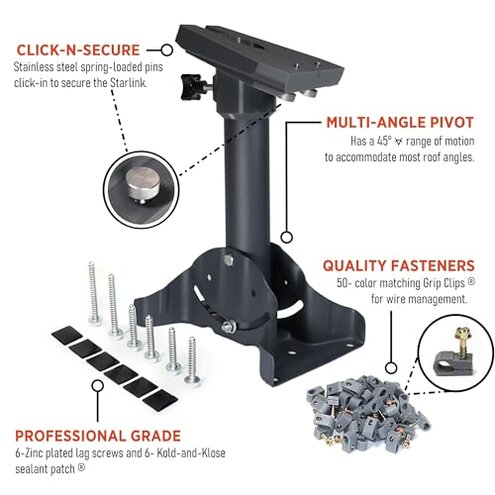
- Included parts: Hardware and sealant are included, yet that does not remove the need for DIY judgment about placement and waterproofing.
- Time cost: Buyers commonly find it adds extra steps beyond what the compact product size suggests.
- Regret point: The frustration grows when the mount is physically solid, but the job itself is more involved than expected.
Illustrative excerpt: “The bracket seemed fine, but the roof install took way longer than planned.” Secondary pattern
Will average DIY work be enough for long-term weather confidence?
- Risk level: This is a secondary issue that is less frequent than compatibility mistakes, but more stressful once the mount is in place.
- When it appears: Concern starts right after setup and grows during rain, wind, or seasonal temperature changes.
- Pattern statement: The concern is persistent but not universal, especially among buyers without much roof-mount experience.
- Root cause: Weather confidence depends heavily on hole placement and sealing quality, not just on the bracket itself.
- Category contrast: Some roof mounts are expected to need sealing, but this feels worse than normal when buyers mistake included sealant for a foolproof install.
- Buyer impact: Even without a visible failure, uncertainty can lead to repeated checks, resealing attempts, or paying someone else to inspect it.
- Fix path: The safest fix is careful install from the start, because redoing roof work later adds effort and worry.
Illustrative excerpt: “It holds, but I keep wondering if I sealed everything well enough.” Secondary pattern
Does the heavy-duty promise make the price feel safer than it really is?
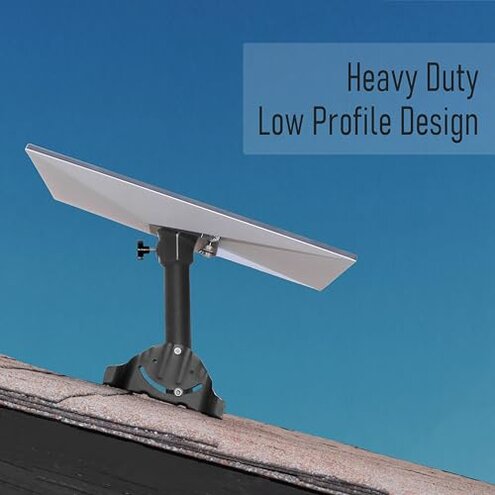
This edge-case issue is about expectation mismatch. The heavy-duty positioning can make buyers assume broad compatibility and easy confidence, when the real risk is choosing wrong or underestimating install complexity.
The pattern is recurring. It appears after purchase, once buyers compare the simple-looking bracket to the amount of planning still required. Compared with a typical mid-range alternative, the effort-to-certainty ratio feels more frustrating than expected.
- Perceived value: At $49.95, buyers often expect fewer compatibility doubts and clearer install certainty.
- Worsening condition: Regret grows when the mount is bought for a time-sensitive install day.
- Practical downside: If it is the wrong fit, even a sturdy build does not help the buyer finish the job.
- Fixability: Better pre-purchase checking helps, but the listing still asks buyers to do more model verification than many expect.
Illustrative excerpt: “Solid metal, but that did not help when I realized my version mismatch.” Edge-case pattern
Who should avoid this
- Avoid it if you are not completely sure which Starlink dish version you own, because fit confusion is the main regret trigger.
- Avoid it if you want a fast weekend install with minimal planning, since roof sealing and placement add more work than many expect.
- Avoid it if you are uneasy drilling into roofing, because this mount is less forgiving than simpler no-guess alternatives.
- Avoid it if your install day is time-sensitive, since a compatibility mistake can stop the whole project.
Who this is actually good for
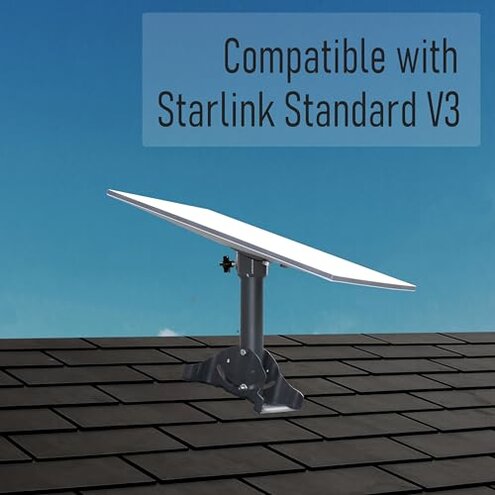
- Good fit for buyers who have already verified their exact Starlink base style and are comfortable double-checking model details.
- Good fit for experienced DIY users who accept the extra sealing and placement effort as the price of a roof-mounted setup.
- Good fit for people willing to trade easier setup for a compact, purpose-built roof bracket once compatibility is confirmed.
- Good fit for buyers who can inspect and install carefully, and who do not mind extra prep before drilling.
Expectation vs reality
Expectation: A title mentioning Standard GEN 3 should make compatibility easy to understand.
Reality: The feature wording adds enough version detail that buyers can still choose wrong without carefully checking their dish style.
Expectation: Included hardware and sealant mean a fairly straightforward install.
Reality: The install can still require more judgment than expected around placement, sealing, and cable routing.
Expectation: It is reasonable for this category to need some roof work.
Reality: The real problem is that this mount is less forgiving than many mid-range alternatives if you misread fit or rush the install.
Safer alternatives
- Choose clearer fit by buying a mount that names the exact Starlink version in both title and feature bullets, not just one place.
- Reduce install risk by looking for mounts with simpler fit confirmation before drilling, especially if this is your first roof install.
- Lower weather worry by favoring options with stronger placement guidance or paying for professional installation when roof sealing confidence is low.
- Protect your timeline by test-fitting the dish base on the ground before scheduling the roof work.
- Avoid hidden steps by choosing a mount category that matches your skill level, not just the strongest-looking hardware.
The bottom line
Main regret starts with compatibility confusion, then gets worse if buyers discover the roof install needs more care than expected. That exceeds normal category risk because a wrong pick can waste a full install window before the bracket ever goes up. Verdict: avoid this one if you want easy fit confirmation or low-stress DIY installation.
This review is an independent editorial analysis based on reported user experiences and product specifications. NegReview.com does not sell products.