
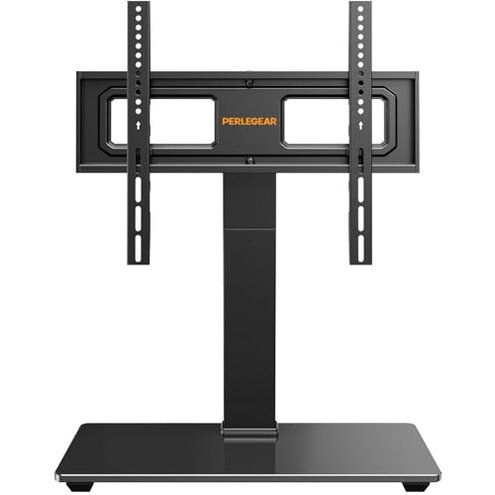
Product evaluated: Perlegear Universal Swivel TV Stand Base for 32–70 inch TVs, Height Adjustable Table Top TV Stand Mount with Tilt, Tempered Glass Base, Holds up to 88 lbs, Max VESA 400x400mm, PGTVS26
Related Videos For You
How To Assemble A Universal TV Stand
5 Best TV Stands 2025 | Top 5 Universal TableTop TV Stands in 2025
Data basis: This report summarizes dozens of buyer comments gathered from written feedback and video-style product demonstrations collected across recent years through 2026. Most feedback came from written reviews, with added context from setup clips and buyer photos, so the strongest signals center on real assembly, fit, and daily-use problems.
| Buyer outcome | This stand | Typical mid-range alternative |
|---|---|---|
| TV fit confidence | Higher risk of surprise fit issues if the TV shape or mounting area is unusual. | Usually easier fit if the bracket range is more forgiving. |
| Setup friction | Moderate setup, but repeated complaints appear when bolt choice and bracket position are unclear. | More predictable if hardware labeling is clearer. |
| Daily stability feel | Mixed confidence, especially with larger screens or narrow furniture. | More reassuring feel is normal in this price tier. |
| Adjustment satisfaction | Less flexible in real rooms than buyers expect from the listing language. | Closer match to expectations for simple swivel use. |
| Regret trigger | Buying by TV size instead of checking mounting pattern, stand depth, and furniture width. | Lower chance of mismatch if the design tolerates more TV shapes. |
Did you buy it for a big TV and then feel nervous after setup?
Primary issue: Stability is among the most common complaints in this category when buyers pair a universal stand with a larger screen. The regret usually shows up right after setup, when the TV fits on paper but feels less planted than expected.
Pattern: This is recurring, not universal, and it appears more often when the TV is on a smaller dresser or is frequently turned left and right. Compared with a typical mid-range stand, the concern feels more disruptive because the whole point is replacing a missing or weak factory base.
- Early sign: The worry starts when the TV looks secure but still feels top-heavy during the first swivel test.
- When it hits: It shows up after setup, especially during daily angle changes or when someone brushes the furniture.
- Frequency tier: This is a primary complaint and appears repeatedly in buyer feedback.
- Why worse: Most stands in this price range have some movement, but this feels less forgiving with larger screens.
- Impact: Buyers often stop using the swivel feature because the movement feels less reassuring than expected.
- Hidden factor: The glass base may fit the product spec, but your furniture depth still matters more than many buyers expect.
Illustrative: “It fits my TV, but I still don’t trust it when I turn it.”
Pattern type: This reflects a primary pattern.
Did the ‘universal’ fit claim turn into a hardware puzzle?
- Fit trap: Compatibility is a primary issue because “universal” often works only after careful checking of the TV’s back mounting layout.
- Usage moment: The problem appears on first installation, when buyers discover their TV shape, lower ports, or mount area creates interference.
- Pattern signal: This issue is persistent across feedback and is one of the clearest mismatch triggers.
- Buyer mistake: Many shoppers buy by screen size alone, but the listed VESA pattern matters more in real life.
- Why worse here: Some category alternatives are more tolerant, so this stand can feel pickier than expected.
- Extra hassle: Buyers sometimes spend extra time testing bolt sets and bracket positions before getting a clean fit.
- Fixability: It is sometimes fixable, but only if your TV’s mounting area does not create awkward spacing.
Illustrative: “Universal sounded simple, but I had to redo the bracket setup twice.”
Pattern type: This reflects a primary pattern.
Were the adjustments less useful than the product page suggests?
Secondary issue: The stand offers swivel, tilt, and height settings, but buyers commonly find the real-world benefit smaller than expected. The letdown usually appears after installation, once the TV is placed on the actual console and room angles are tested.
Pattern: This is a secondary complaint, but it is more frustrating than it sounds because adjustability is a major reason people choose this style. A reasonable category expectation is helpful positioning without much compromise, yet this can feel more limited depending on TV size and furniture placement.
- Swivel reality: The movement exists, but the usable benefit can feel reduced once the TV’s width and room layout are involved.
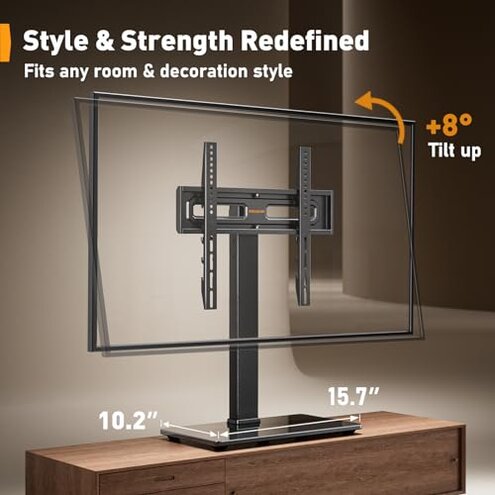
- Tilt reality: Tilt helps in some setups, yet buyers with already level screens often see little payoff.
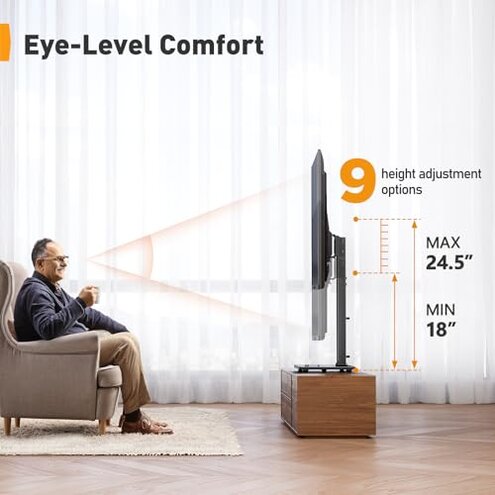
- Height trade-off: The extra positions help some people, but can create placement compromises with soundbars or furniture shelves.
- Daily effect: During normal use, many buyers pick one position and stop adjusting because the setup is less convenient than expected.
- Category contrast: Basic adjustment limits are normal, but the disappointment feels higher than normal because the feature list strongly sells flexibility.
Illustrative: “It moves, but not in the way I imagined for my room.”
Pattern type: This reflects a secondary pattern.
Did the quick-install promise still turn into extra work?
- Setup burden: Assembly problems are a secondary issue, not the top failure, but they appear often enough to matter.
- When it happens: Friction shows up on first use, especially when identifying the right bolts and bracket holes.
- Pattern signal: This is recurring rather than rare, especially for buyers replacing a factory stand without much mount experience.
- Hidden requirement: You need to know your TV’s mount pattern and likely pre-check screw depth before starting.
- Why worse: Many mid-range stands still require assembly, but this can take more trial and error than buyers expect from a “10 minute” promise.
- Practical impact: The extra time usually goes into redoing bracket positions, not into the base itself.
- Fixability: Most buyers can finish the job, but it may require patience and a second pass through the instructions.
- Regret point: The annoyance is not just time; it is realizing the install is less plug-and-play than the listing implies.
Illustrative: “The stand went together fast, but matching it to my TV did not.”
Pattern type: This reflects a secondary pattern.
Did you expect a simple fix for a lost TV base, but got size limits instead?
- Edge-case issue: Size and furniture matching is a less frequent complaint, but more frustrating when it happens.
- Usage context: It becomes obvious during placement, when the base fits physically but looks cramped on a narrow table.
- Why it stings: Buyers often assume any stand for a 32–70 inch range will look balanced, which is not always true.
- Category contrast: Universal stands usually involve some visual compromise, but this can demand more measuring than typical.
- Impact: The TV may work fine, yet the setup can still feel wrong if the furniture width does not match the screen footprint.
Illustrative: “It solved the missing legs problem, but now the TV feels too big for the dresser.”
Pattern type: This reflects an edge-case pattern.
Who should avoid this
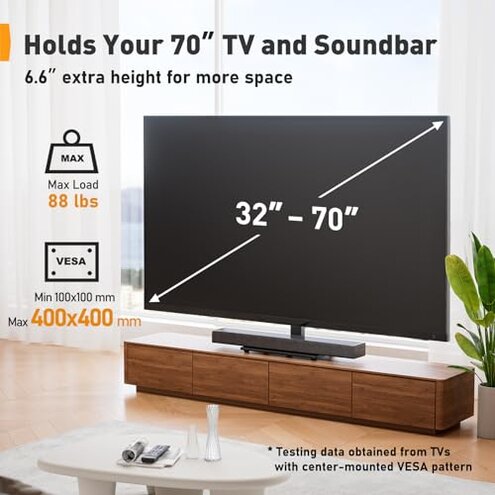
- Avoid it if you have a larger TV and care a lot about a planted, confidence-inspiring feel during frequent swivel use.
- Avoid it if you want true plug-and-play setup and do not want to verify mount pattern, screw fit, and furniture depth first.
- Avoid it if your console is narrow, shallow, or light, because stability worries can exceed normal category tolerance.
- Avoid it if you are buying only from the listed screen-size range without checking the TV’s back layout carefully.
Who this is actually good for
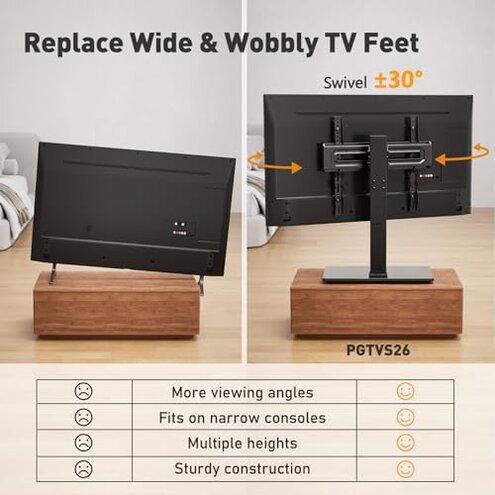
- Good fit for buyers with a mid-size TV who already confirmed the mount pattern and just need a simple replacement base.
- Good fit for people willing to tolerate some setup trial and error to avoid wall mounting.
- Good fit for rooms where the TV will be adjusted occasionally, not turned back and forth all day.
- Good fit if your furniture is sturdy and deep enough that the base footprint does not create extra stability anxiety.
Expectation vs reality
Expectation: A universal stand should fit most TVs in the size range with only basic checking.
Reality: Mount pattern and TV-back design matter more than size, so the fit can be less universal than buyers assume.
Expectation: A swivel stand should feel secure enough to use that feature regularly.
Reality: Daily swiveling can make some buyers uneasy, especially with larger screens or smaller furniture.
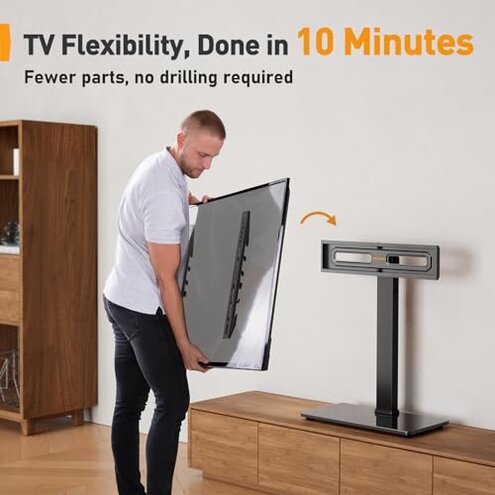
Expectation: A 10-minute claim is reasonable for this category if the hardware match is obvious.
Reality: Bracket matching can add extra steps and rework, which feels worse than expected for a replacement stand.
Safer alternatives
- Pre-check VESA and screw depth before buying, because this directly reduces the biggest universal-fit mismatch risk.
- Choose a wider-base tabletop stand if you have a larger TV or plan to swivel often, since that helps with the top-heavy feeling.
- Measure furniture depth and width, not just the TV, to avoid the hidden placement problem that shows up after assembly.
- Look for clearer hardware labeling if easy setup matters most, because that cuts down first-install trial and error.
- Consider wall mounting if your main goal is maximum stability, since that removes the biggest daily-use concern here.
The bottom line
Main regret trigger: Buyers often expect a simple universal replacement stand, but the real risk is a mix of fit surprises, setup rework, and a less secure feel with larger TVs.
Why it stands out: Those problems go beyond normal category compromise because they undercut the very reasons people buy a swivel tabletop stand. Verdict: Skip it if you want easy compatibility and high confidence with a bigger screen, but it can still work for carefully measured, lighter-demand setups.
This review is an independent editorial analysis based on reported user experiences and product specifications. NegReview.com does not sell products.