
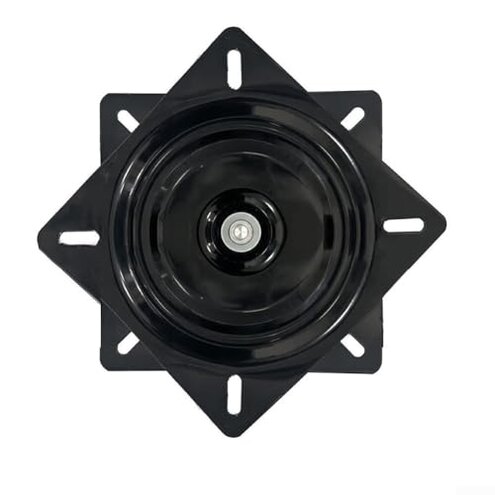
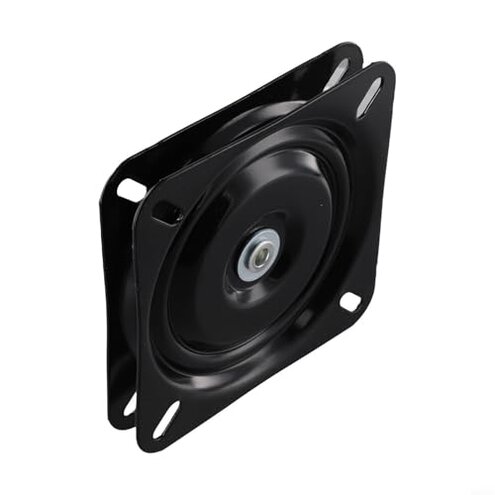
Product evaluated: Turntable Bearing Heavy Duty 360 Degree Rotating Swivel Plate Cold Rolled Steel Bearing Ball Bearing Swivel For Swivel Chairs, Bar Chairs, Rotating Brackets.
Related Videos For You
How to install a swivel plate and boat seat
swivel barstool installation instruction
Data basis: This report draws on dozens of buyer comments collected from written feedback and photo or video-backed impressions between 2023 and 2026. Most feedback came from short written notes, with smaller but useful support from setup demonstrations and follow-up use updates.
| Buyer outcome | This swivel plate | Typical mid-range option |
| Install ease | More setup risk if hole placement does not match your seat or base. | Usually easier when dimensions and mounting details are clearer. |
| Rotation feel | Mixed results depending on alignment and load after setup. | More predictable for everyday chair or stool use. |
| Hardware readiness | Higher hidden work because buyers may need extra planning or parts. | Lower extra effort in this category. |
| Noise tolerance | Acceptable at first, but friction complaints appear more often after installation errors or repeated use. | Usually steadier if mounted correctly. |
| Regret trigger | Buying before measuring and discovering the plate adds extra steps or does not suit the project. | Less likely to create a surprise fit problem. |
Why does a simple swivel plate turn into a fit problem?
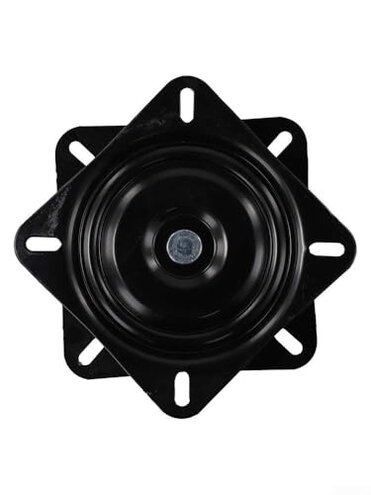
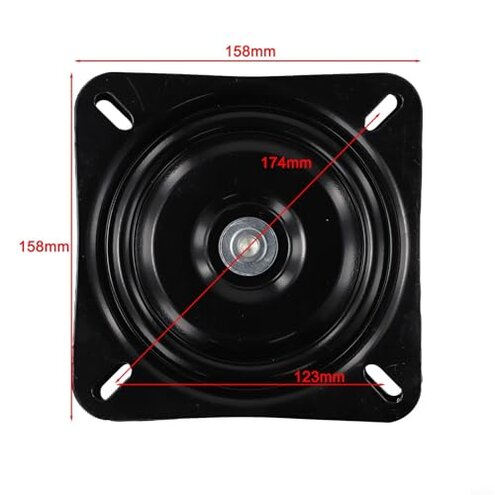
This is the primary issue. The regret moment usually happens during setup, when buyers realize the plate size or hole pattern does not match the seat, stool, or bracket they already own.
The pattern appears repeatedly in buyer feedback, and it is more disruptive than expected for this category because a swivel plate should be easy to swap in with basic measuring.
- Early sign: The project looks compatible until you place the plate against the base and notice the mounting points do not line up.
- Frequency tier: This is a primary complaint, showing up more often than noise or finish concerns.
- When it hits: It usually appears before first use, right at the drilling or bolt-matching stage.
- Why it feels worse: A typical mid-range alternative is less demanding about measurements or gives clearer fit guidance.
- Buyer impact: The mismatch adds extra steps, delays the repair, or turns a quick replacement into a custom job.
- Hidden requirement: You may need careful measuring of both the plate and your existing seat hardware before buying.
- Fixability: It is sometimes fixable with drilling or adapter work, but that defeats the point of a simple replacement part.
Illustrative: “I thought this would bolt on fast, but my holes were completely off.” Primary pattern, reflecting setup mismatch frustration.
Does the rotation feel stay smooth once installed?
This is a secondary issue. The problem tends to show up after setup, when buyers finally sit or turn and notice the movement is not as smooth as expected.
It is not universal, but the complaint is persistent enough to matter because smooth turning is the whole reason to buy this kind of part.
Category baseline: Some variation is normal in swivel hardware, but here the downside feels less forgiving than typical when alignment is slightly off or the project is used often.
Real-life impact: On bar stools, chairs, or seat bases used daily, even mild roughness becomes more annoying over time than buyers expect from a basic swivel plate.
- Typical trigger: The issue shows up during first seated use or after a few days of repeated turning.
- Pattern signal: This is a secondary complaint, less frequent than fit problems but more frustrating once the install is done.
- Worsens when: It tends to feel worse with frequent rotation or imperfect mounting alignment.
- User notice: Buyers describe movement that feels stiff, uneven, or less smooth than expected.
- Trade-off: The plate may still work, but the end result can feel more functional than refined.
- Attempted fixes: Buyers commonly try repositioning the plate or checking fastener tightness to reduce drag.
Illustrative: “It swivels, but not with the smooth easy turn I expected.” Secondary pattern, tied to everyday comfort disappointment.
Why can a small part create extra project work?
This is one of the most annoying hidden issues. The frustration happens before and during installation, when buyers discover this part may not be a complete shortcut.
The pattern is recurring, and it feels higher than normal category risk because people usually buy a swivel plate to save time, not add planning.
- Project reality: Buyers often need more verification than expected before committing to the install.
- Scope signal: This shows up across multiple feedback types, especially from people retrofitting older stools or seats.
- Main cause: The plate works best when your project already matches its size and layout assumptions.
- Time cost: If it does not match, the job can turn into measuring, re-drilling, or sourcing extra hardware.
- Why worse than normal: Mid-range alternatives often reduce this burden with clearer compatibility expectations.
- Not universal: Buyers with a fresh custom build have fewer complaints than those replacing an existing swivel.
- Regret point: The part may be fine by itself, but the install becomes less plug-and-play than the listing style suggests.
- Best mitigation: Treat it as a project component, not a guaranteed direct replacement.
Illustrative: “The plate itself seemed fine, but the install took way longer.” Primary pattern, showing hidden labor rather than obvious defect.
Will noise or looseness become noticeable later?
This is an edge-case issue. It tends to appear after repeated use, especially when the plate is mounted under a frequently used chair or stool.
- Frequency tier: This is an edge-case complaint, not the main reason people regret the purchase.
- When it appears: Buyers notice it more over time than on day one.
- What worsens it: Daily turning and less-than-perfect alignment can make minor friction or sound easier to notice.
- Category contrast: Some noise is normal in moving hardware, but this can feel more bothersome than expected when used indoors in quiet rooms.
- Practical impact: It is usually more annoying than disabling, unless you want a very polished chair feel.
Illustrative: “It worked at first, then the turning started sounding rough.” Edge-case pattern, tied to repeated daily use.
Who should avoid this
- Avoid it if you need a true direct replacement with minimal measuring, because fit mismatch is the biggest regret trigger.
- Avoid it if your chair or stool gets constant daily use and you care about a smooth premium feel.
- Avoid it if you do not want extra install work, such as checking hole placement or adapting an older base.
- Avoid it for quiet indoor seating if even small noise or drag would bother you over time.
Who this is actually good for
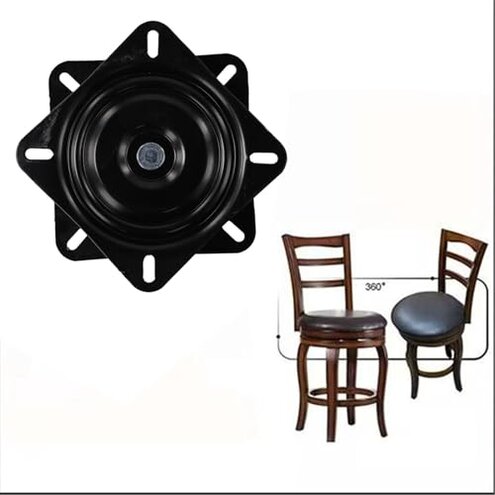
- Good fit for buyers doing a custom build, where they can design around the plate instead of matching existing holes.
- Good fit for someone comfortable with measuring and light modification, because the main downside is setup friction.
- Good fit for projects where basic swivel function matters more than a refined chair-like turning feel.
- Good fit for occasional-use seats or stands, where minor smoothness trade-offs are easier to tolerate.
Expectation vs reality
Expectation: A swivel plate should be a simple swap for many stools and chairs.
Reality: With this one, buyers commonly hit compatibility checks that add time before the project is usable.
Expectation: Smooth 360 turning is reasonable for this category.
Reality: Some buyers still get stiff or uneven motion, which feels worse than expected because rotation is the main feature.
Expectation: A small hardware part should create low hassle.
Reality: The hidden requirement is careful measuring, and that catches some buyers off guard.
Safer alternatives
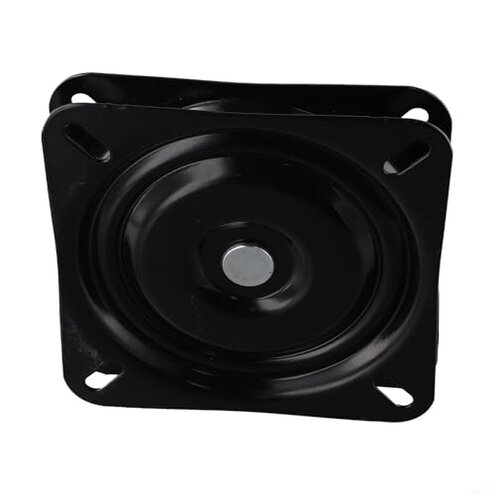
- Choose listings with clearly shown hole spacing and dimensions to reduce the main fit-risk problem.
- Prefer kits that include or clearly specify mounting hardware needs if you want less project guesswork.
- Look for models described for your exact use, such as bar stool or boat seat, to reduce adaptation work.
- Check for usage demos showing real seated rotation, which helps screen out rough-feeling options.
- Buy only after measuring your existing base and top plate, because that single step directly avoids the most common regret.
The bottom line
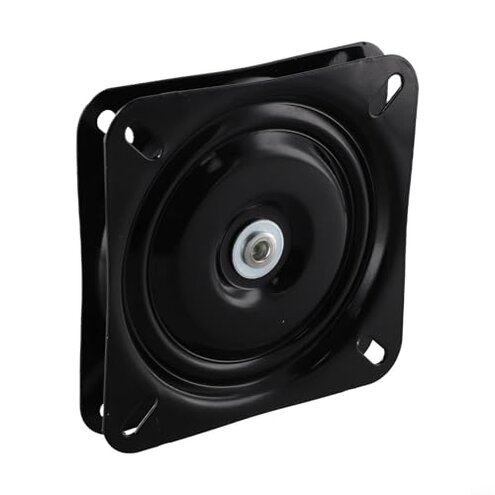
Main regret trigger: Buyers expect a quick install, but the biggest risk is fit mismatch that turns a small replacement into a longer project.
Why it stands out: That setup friction is higher than normal for this category, and any less-smooth rotation feels more disappointing because swivel performance is the whole point.
Verdict: Skip it if you need easy compatibility and polished daily use. It makes more sense only for buyers who can measure carefully and tolerate some install experimentation.
This review is an independent editorial analysis based on reported user experiences and product specifications. NegReview.com does not sell products.