
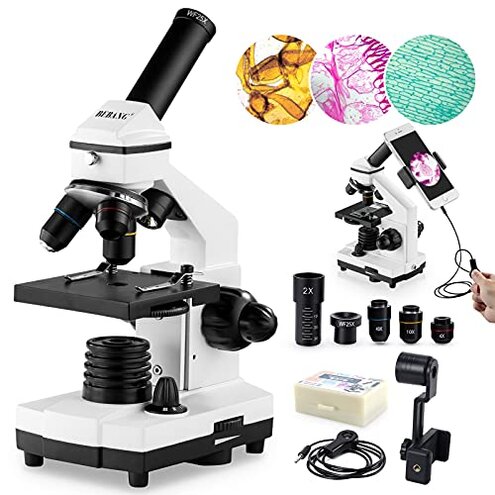
Product evaluated: Microscope for Adults Kids, 100X-2000X BEBANG Compound Microscope with Microscope Slides, Microscope Kit for Kids Students Home School Lab
Related Videos For You
BIOLOGY 10 - Basic Microscope Setup and Use
SMARTPHONE MICROSCOPE ADAPTER - the cheap way to film microscope images
Data basis: This report is based on dozens of buyer comments collected from a mix of star ratings, written reviews, and photo/video attachments spanning the last 12–18 months. Most feedback came from written notes, with supporting visual uploads that show real setup and what users saw through the eyepiece.
| Risk area | BEBANG 100X–2000X | Typical mid-range microscope |
| First-day clarity | Inconsistent results without careful setup | More forgiving for beginners |
| Ease for kids | Higher friction due to small adjustments and alignment | Lower friction with smoother focus and steadier stage |
| Build stability | More wobble reported during focusing and phone use | Typically steadier under normal handling |
| Accessories value | Mixed due to fit and usefulness variation | More predictable accessory compatibility |
| Regret trigger | Blurry view even after “doing everything right” | Learning curve, but fewer “can’t see anything” moments |
Why does the view stay blurry even after focusing?
Regret tends to hit when you unpack it, set a slide, and still can’t get a crisp image that feels “microscope-cool.” Many buyers describe a trade-off: the kit includes lots of magnification options, but the practical clarity can feel harder than expected.
Pattern wise, this appears repeatedly in feedback and is a primary reason people stop using it after the first sessions. It shows up most during first use and worsens when you jump to higher stated magnification before mastering lighting and focusing.
Category contrast: some learning curve is reasonable for budget compound microscopes, but this model is described as less forgiving than typical mid-range alternatives that “click into” a usable image faster.
- Early sign: you can see light, but details look like a haze rather than edges.
- Primary issue: the “can’t get sharp” complaint is among the most common frustrations.
- Usage moment: it’s worst when switching to higher power quickly during the first session.
- Hidden step: you may need extra time adjusting lighting and slide position before focus feels usable.
- Mitigation: staying on lower power longer and dialing in illumination is commonly suggested by experienced users.
- Fixability: for some, practice improves results, but others report persistent blur that doesn’t resolve.
- Time cost: expect extra setup time versus “mid-range classroom” style units.
Is the 2000X claim setting you up for disappointment?
Disappointment often starts when buyers choose this kit for the big “2000X” number and then find it doesn’t translate into a satisfying, detailed view. The frustration is more about expectations than a single broken part.
- Recurring theme: the stated top-end magnification is often questioned in buyer feedback.
- When it hits: it shows up after setup, when users try to “go big” on tiny samples.
- What worsens it: higher settings amplify shake, lighting limits, and focusing sensitivity.
- Why it feels worse: mid-range microscopes usually market less aggressively, so buyers feel fewer promise gaps.
- Practical impact: you may spend more time chasing a “wow” view than actually observing.
- Workaround: treating it as a lower-to-mid magnification unit reduces regret, but changes the value proposition.
Does it feel wobbly when you try to focus or record?
- Secondary issue: stability complaints appear repeatedly, but not as often as clarity problems.
- When it happens: wobble is noticed during fine focusing and while touching the phone mount.
- User moment: kids and beginners tend to press harder, which makes the image jump and breaks the learning flow.
- Category contrast: budget microscopes can shake, but users describe this as more disruptive than expected for “mid-range priced” kits.
- Accessory effect: the phone adapter can add leverage that makes shake feel worse.
- Mitigation: using a firm table and lighter touch helps, but it adds technique requirements.
- Why it matters: instability makes it harder to share what you see, which is a key reason people buy a family microscope.
- Edge case: a few reports describe units that feel fine, suggesting variation between individual kits.
Are the included extras a time-saver or a time sink?
- Mixed pattern: accessory usefulness is inconsistent across feedback, making it a secondary risk.
- When it shows: problems pop up after unboxing when trying to use the phone adapter and starter slides.
- Hidden requirement: getting decent phone photos can require extra positioning steps and patience.
- Impact: if the starter materials don’t “wow” quickly, kids lose interest faster.
- Category contrast: mid-range alternatives often include fewer extras, but those tend to be more reliable in daily use.
Illustrative: “I can see light, but everything stays fuzzy no matter what.” Primary pattern tied to clarity complaints.
Illustrative: “The 2000X sounded amazing, but it doesn’t look detailed.” Primary expectation-gap pattern.
Illustrative: “Touch the knob and the picture shakes, then you lose it.” Secondary stability pattern.
Illustrative: “Phone adapter works, but it takes forever to line up.” Secondary accessory-friction pattern.
Illustrative: “My kid gave up after two tries because it was hard to use.” Secondary usability pattern.
Who should avoid this

First-timers who want a clear image in minutes should avoid it, because blurry first-day setup friction is a primary recurring complaint.
Parents buying for younger kids should avoid it if patience is low, because wobble plus tiny adjustments commonly break the experience.
“2000X shoppers” should avoid it, because the magnification promise is a frequent disappointment compared with what users expect to see.
Content makers should avoid it if you need quick phone capture, because the phone alignment step is commonly described as fiddly.
Who this is actually good for
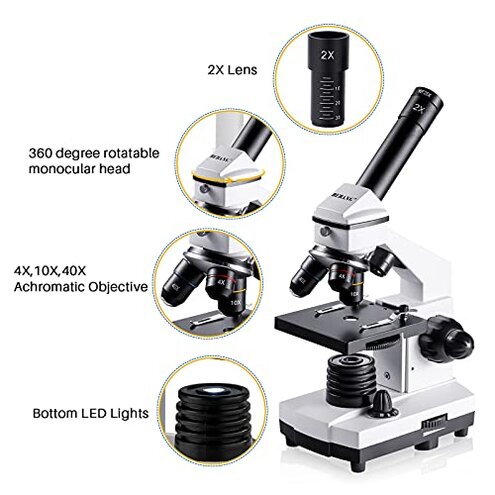
Patient learners who enjoy tinkering can like it if they accept the setup time needed to get clean images.
Budget hobbyists who mainly use lower settings may be fine, because they can avoid the high-power frustration that triggers regret.
Occasional use households can tolerate it if they don’t mind re-learning lighting and focus each session.
Gift buyers can consider it only if the recipient expects a learning curve rather than instant results.
Expectation vs reality
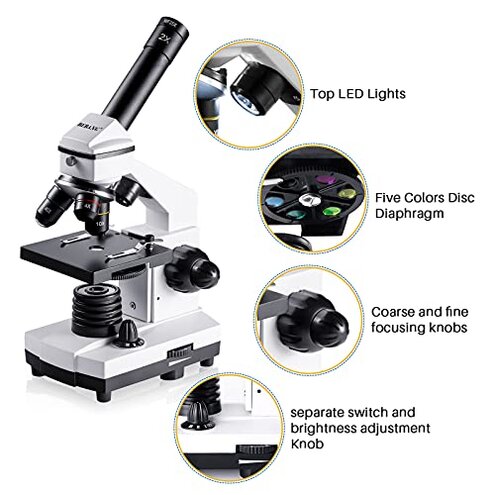
- Expectation: a “reasonable for this category” microscope should get a usable image after a few basic steps.
- Reality: buyers often report needing extra trial-and-error with lighting and focus before it feels satisfying.
| You expect | You may experience |
| Big magnification equals big detail | Big numbers feel more like harder setup and less stable viewing |
| Phone photos are quick to capture | Extra alignment steps that slow down sharing |
| Kid-friendly learning tool | Technique-heavy use that can frustrate younger users |
Safer alternatives

- Prioritize clarity: choose a mid-range unit known for easy focusing to reduce the “still blurry” primary regret trigger.
- Downweight max X: shop for better real-world detail at common magnifications instead of chasing the highest stated number.
- Seek stability: look for models described as steady while focusing, especially if kids will use it.
- Buy fewer extras: prefer kits with fewer add-ons but better core performance, since accessory value here is mixed.
- Plan phone capture: if recording matters, consider a microscope setup designed for easy camera alignment rather than adapter juggling.
The bottom line
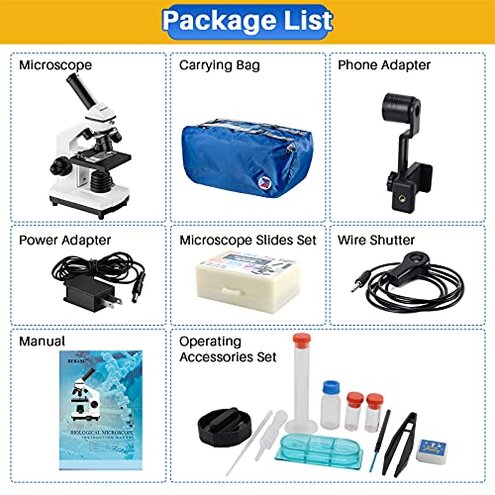
Main regret is spending time setting up and still getting a blurry or unstable view, especially when chasing the “2000X” promise. That risk feels higher than normal versus typical mid-range microscopes, which are often more forgiving for beginners. Avoid it if you need quick, reliable clarity for kids, classes, or frequent phone recording.
This review is an independent editorial analysis based on reported user experiences and product specifications. NegReview.com does not sell products.