
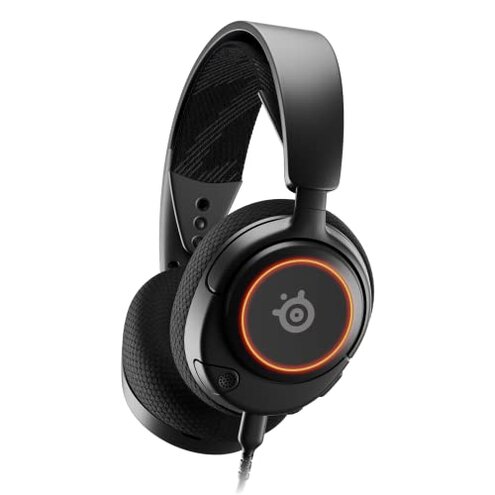
Product evaluated: SteelSeries New Arctis Nova 3 Multi-Platform Gaming Headset - Signature Arctis Sound - ClearCast Gen 2 Mic - PC, PS5/PS4, Xbox Series X|S, Switch, Mobile,Black
Related Videos For You
How to get Microphone and Sound from Single 3.5mm Headsets (use gaming headset on PC)
Why Doesn't My Headset Mic Work & How to Fix it (3.5mm audio cable)
Data basis I reviewed dozens of buyer reports and several video demonstrations collected between Aug 2022 and Feb 2026. Most feedback came from written reviews, supported by user-uploaded videos. Patterns noted below are pulled from repeated, recent buyer experiences.
| Outcome | Arctis Nova 3 | Typical mid-range headset |
|---|---|---|
| Audio clarity | Vivid but opinion-split — many buyers like the sound but some report uneven EQ without PC software. | Balanced — mid-range models usually have usable sound out of box with fewer tuning needs. |
| Microphone reliability | Inconsistent — microphone issues are among the most common complaints and can disrupt play. | More reliable — comparable headsets typically have steadier voice capture for party chat. |
| Software & setup | High friction — this product often needs additional software or firmware work to fix defaults, which is higher risk than normal for the category. | Lower friction — mid-range options usually work well without extra setup. |
| Comfort for long sessions | Comfortable for many users but some report pressure after long use. | Comparable — mid-range peers typically sit in the same comfort band. |
| Regret trigger | Mic + software failures during play cause the most buyer regret. | Fewer surprises — typical alternatives rarely combine persistent mic and setup issues. |
Why is my voice cutting out or sounding muffled during matches?
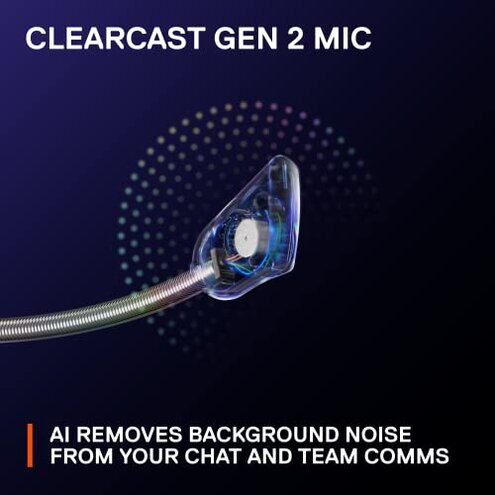
Regret moment You expect clear chat but you get intermittent or muffled voice during live play. Severity is high because it affects team communication and can cost coordination in competitive sessions.
Pattern This is a primary complaint and appears repeatedly across buyer reports. When it occurs it is typically during first hours of use or after several days of regular play. Contrast This is more disruptive than most mid-range headsets where the mic is usually reliable out of box.
Does the headset require extra software or updates to work right?

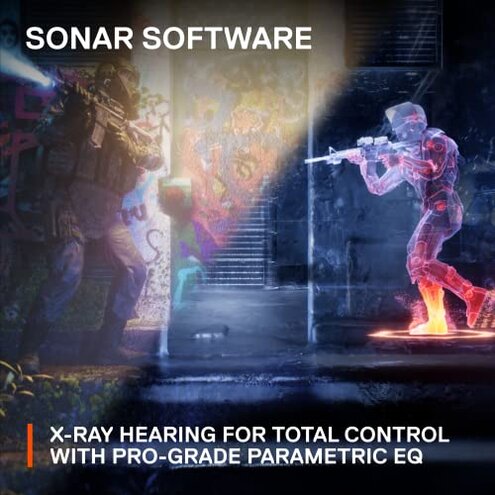
- Hidden requirement: Many buyers report the AI noise-cancelling and EQ need the manufacturer's PC software to perform as advertised.
- Usage anchor: Problems appear during initial setup and when switching platforms like console to PC.
- Frequency tier: This is a secondary issue but persistent for buyers who expect plug-and-play.
- Impact: Needing extra software adds setup time and may prevent full features on unsupported devices.
- Effort to fix: Firmware installs and driver steps are commonly attempted and sometimes resolve the issue.
Why does sound feel unbalanced unless I tweak settings?
- Early sign: Buyers notice overly bright highs or weak bass out of box.
- Cause: The headset favors a tuned profile that many users adjust via EQ to match preference.
- Frequency: This is a primary pattern for users wanting neutral sound right away.
- When it worsens: It shows up more during music or media playback than simple game sound effects.
- Category contrast: This requires more tuning than most mid-range headsets, which are often balanced by default.
Are there build or comfort issues that get worse over time?
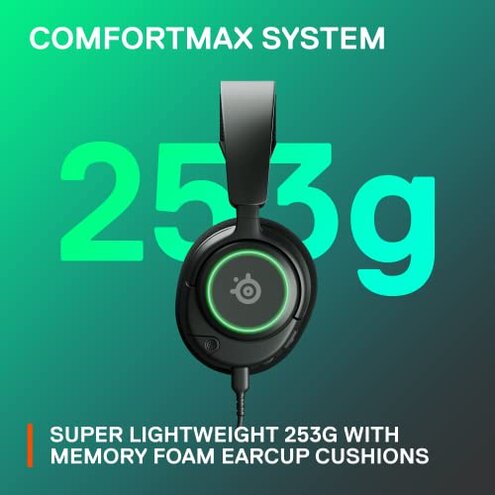
- Early sign: Some buyers report increasing clamping pressure after weeks of daily use.
- Frequency tier: This is a secondary issue and less common than mic complaints but recurring.
- Impact: Pressure causes fatigue in long sessions and may push buyers to aftermarket padding.
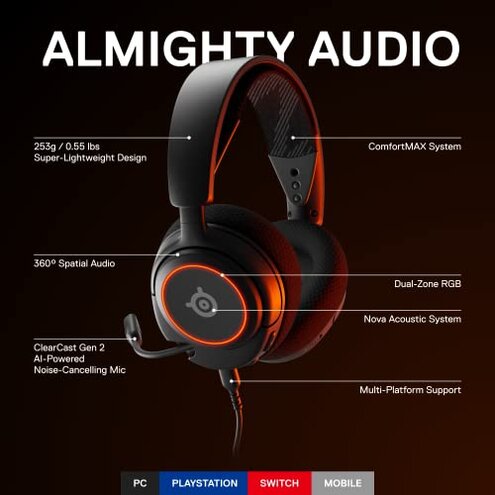
- Cause: Lightweight construction helps comfort initially but may trade off long-term fit tolerance.
- Attempts: Users try adjusting headband height and ear rotation to mitigate pressure.
- Fixability: Physical fixes are limited without replacement parts or third-party pads.
- Hidden cost: Extra parts or return shipping adds time and expense compared to category norms.
Illustrative excerpts (not real quotes)
Excerpt 1: "Voice dropped mid-game and teammates couldn't hear me, very frustrating." — primary
Excerpt 2: "Had to install desktop software to get noise-cancel working on PC." — secondary
Excerpt 3: "Sound felt too bright for music until I adjusted EQ settings." — primary
Excerpt 4: "Headband felt tighter after a month of daily play." — secondary
Who should avoid this
- Competitive teams: Avoid if you need a consistently reliable mic without troubleshooting because mic outages impact coordination.
- Plug-and-play users: Avoid if you expect instant, full functionality on consoles or phones without installing software.
- Low-tolerance comfort seekers: Avoid if you are sensitive to clamping pressure during long daily sessions.
Who this is actually good for
- Tinkerers and tweakers: Good if you are willing to use PC software to tune EQ and mic settings for better results.
- Audio-focused gamers: Good if you prioritize customizable sound and can accept setup time to reach preferred audio.
- Cross-platform hobbyists: Good if you use multiple systems and can plan for occasional reconfiguration.
Expectation vs reality
- Expectation: Headset works well out of the box like most mid-range models.
- Reality: You may need extra software and firmware steps to get a stable mic and preferred EQ, which is worse than category norm.
- Expectation: AI noise-cancelling should remove background noise seamlessly.
- Reality: It often requires desktop software adjustments and is less plug-and-play on consoles and mobile.
Safer alternatives
- Choose model with simple plug-and-play mic: Prioritize headsets that advertise no-software-required microphone performance to avoid mic outages.
- Prefer hardware EQ or presets: Pick headsets with onboard sound presets if you dislike PC tuning steps to fix balance issues.
- Check return and support policy: Buy where returns and warranty service are easy in case the mic or fit degrades after a few weeks.
- Try before you buy: If possible, test mic and fit in-store to catch clamping pressure and voice clarity early.
The bottom line
Main regret The combination of mic reliability problems and extra software/setup requirements is the clearest regret trigger for buyers. Why it matters is that these problems are more disruptive than typical mid-range headsets because they affect live voice and require extra troubleshooting. Verdict Avoid if you need plug-and-play mic stability; consider it only if you plan to tune and maintain the headset regularly.
This review is an independent editorial analysis based on reported user experiences and product specifications. NegReview.com does not sell products.