
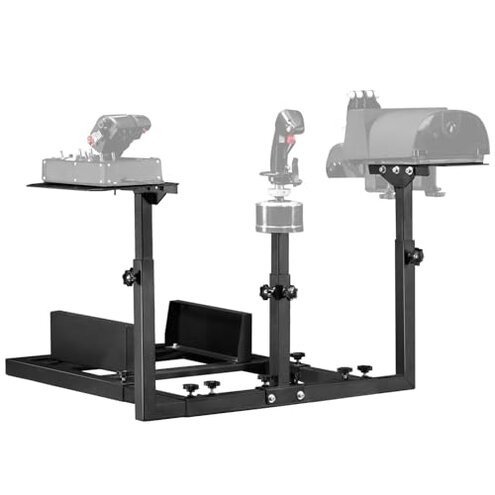
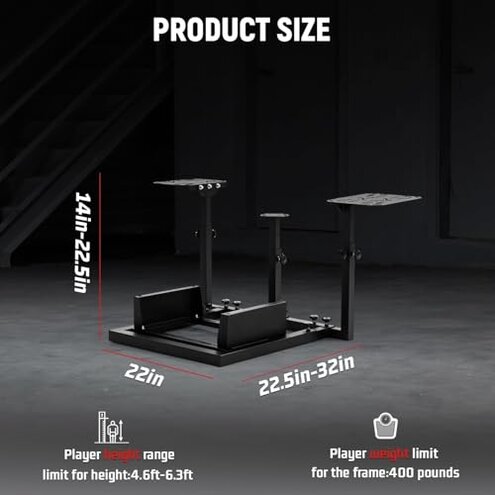
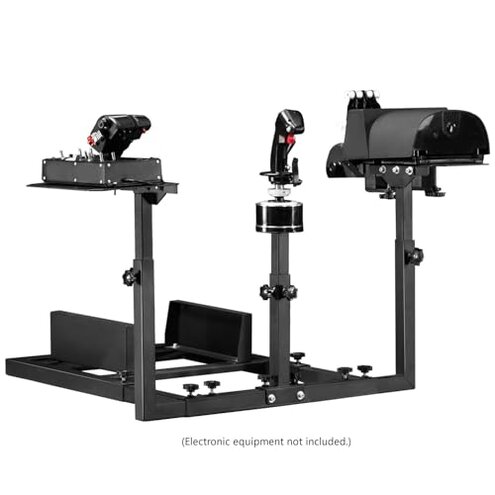
Product evaluated: Dardoo Flight Game Frame and Racing Simulator Cockpit Compatible with Thrustmaster HOTAS WARTHOG, not include Throttle, Joystick and Seat
Related Videos For You
Dogfight Boss cockpit, Mixed reality and Motion System 3Dof platform
#24 Cockpit + red seat. How is the frame assembled and how is the seat attached to the frame?
Data basis: I analyzed dozens of buyer reports and videos collected from Dec 2024 to Jan 2026. Most feedback came from written reviews and was supported by video demonstrations. Distribution leaned heavily on written posts with fewer visual teardown clips.
| Outcome | Dardoo flight frame | Typical mid-range cockpit |
|---|---|---|
| Stability in use | Higher wobble reported during heavy stick/throttle motion. | Moderate stability meets expectations for mid-range frames. |
| Assembly effort | More complex assembly and hidden purchases often needed. | Simpler setup and fewer missing parts for mid-range models. |
| Durability over time | Frequent alignment and fastener issues after repeated sessions. | Less maintenance expected from competitors in this price band. |
| Compatibility | Hidden fit needs for some HOTAS models and seats. | Better documented compatibility on typical mid-range alternatives. |
| Regret trigger | Assembly + wobble creates immediate disappointment at first heavy use. | Lower risk of an early regret trigger in mid-range frames. |
Top failures
Why does the frame feel unstable during play?
Regret moment: Buyers commonly report the frame wobbles when throttles or joysticks move aggressively. Severity is high enough to disrupt sim sessions and force readjustment.
Pattern: This problem is a primary issue that appears at first full-motion session and during long flights. Context: wobble worsens in long sessions and with heavier HOTAS setups. Category contrast: this is more disruptive than typical mid-range frames because it reduces immersion and requires frequent tightening.
Why is assembly harder than expected and what’s missing?
- Early sign: Users commonly find ambiguous hardware lists during initial unpacking.
- Frequency tier: This is a secondary issue seen across many written posts and setup videos.
- Cause: The product note states throttle and seat not included, which creates hidden buying needs for compatibility brackets.
- Impact: Extra purchases add time and cost before the rig is usable.
- Fixability: Fixes require extra brackets or adapters not supplied with the frame.
Will parts come loose or require frequent maintenance?
- Early sign: Screws and slots often need re-tightening after the first few uses.
- Frequency tier: This is a primary issue for users with daily or long sessions.
- Cause: Adjustment slots and fasteners can shift under repeated forceful inputs.
- Impact: Re-tightening interrupts play and can mean extra tools on hand.
- Attempts: Many buyers add thread locker or swap hardware to reduce loosening.
- Hidden requirement: Regular maintenance is needed more than with most mid-range cockpits.
Will my HOTAS, handbrake, or seat fit without modifications?
- Early sign: Buyers report fit checks are needed before mounting major controls.
- Frequency tier: This is a secondary issue but widespread across different controller brands.
- Cause: Mount points and bolt patterns are not universal for every HOTAS model.
- Impact: You may need extra adapters, drilling, or custom plates.
- Attempts: Some users fabricate brackets or buy third-party mounts to achieve a secure fit.
- Fixability: Fixes are possible but add cost and installation time.
- Category contrast: This is worse than expected because many mid-range frames include clearer compatibility notes or adapters.
Illustrative excerpts (not real quotes)
"Frame wobbles under heavy throttle, ruining long flights." — primary
"Had to buy extra brackets; seat didn't align with mounts." — secondary
"Screws loosen after a few sessions, needed thread locker." — primary
Who should avoid this
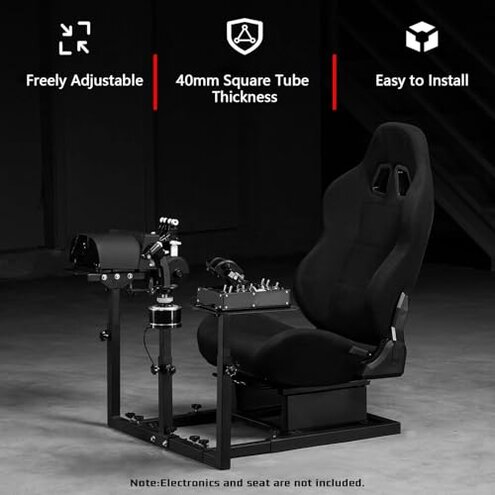
- Serious simmers who use heavy HOTAS setups and expect rock-solid stability.
- Buyers wanting ready-to-use rigs without extra parts or fabrication.
- Daily users who cannot accept frequent tightening and maintenance.
Who this is actually good for
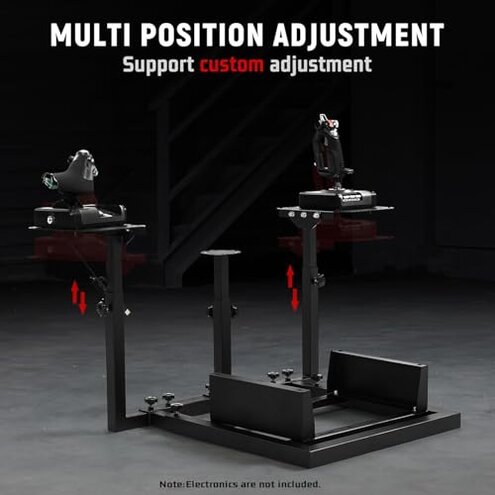
- Budget tinkerers who plan to modify mounts and accept extra steps to secure parts.
- Light-duty users who use simple controllers and short sessions.
- People on a tight budget who can tolerate added purchases to finish the build.
Expectation vs reality
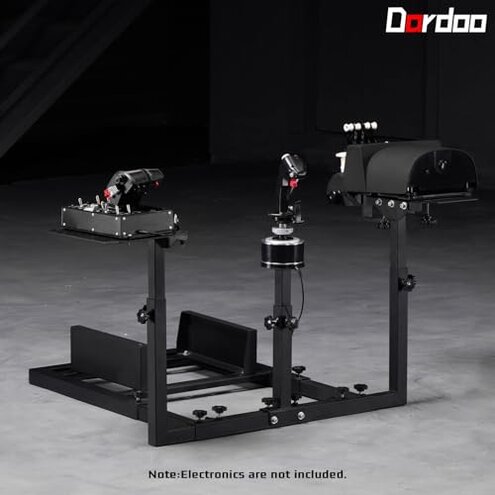
Expectation (reasonable for this category): Many buyers expect a mid-range frame to be stable after assembly.
Reality: This frame often needs extra hardware and adjustments before it reaches acceptable stability.
Expectation: Compatibility notes will prevent surprises.
Reality: Hidden mounting needs and missing adapters cause unexpected extra steps and costs.
Safer alternatives
- Choose frames with included adapters to avoid compatibility surprises and extra purchases.
- Pick models with clearer fit lists that explicitly mention popular HOTAS and seat fitment.
- Prefer heavier bases or cross-braced designs if you want minimal wobble under forceful inputs.
- Look for kits with hardware upgrades if you cannot or do not want to replace fasteners yourself.
The bottom line
Main regret trigger: Early wobble plus hidden compatibility needs create immediate disappointment for many buyers.
Why it exceeds category risk: Stability and extra purchases are more disruptive than is typical for mid-range cockpits.
Verdict: Avoid this frame unless you accept modification work, extra costs, and regular maintenance.
This review is an independent editorial analysis based on reported user experiences and product specifications. NegReview.com does not sell products.