
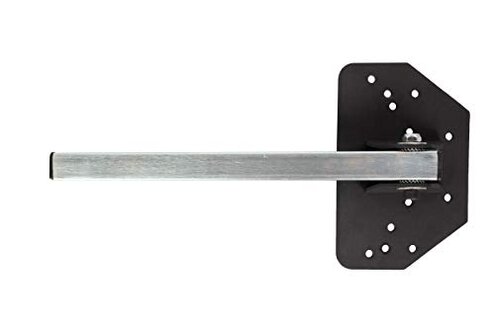
Product evaluated: OpenWheeler Gen3 Steering Wheel Plate assembly. Plate and Shaft Only
Related Videos For You
GT2 Plate DIY Sim racing steering wheel - preview
Data basis: This report synthesizes insights from dozens of user reviews and product discussions collected between 2021 and early 2024. Most feedback came from written customer reviews on retail sites, supplemented by user demonstration videos showing setup and usage experiences.
| Buyer Outcome | OpenWheeler Gen3 Steering Plate | Typical Mid-Range Alternative |
|---|---|---|
| Assembly Friction | Higher difficulty due to mounting hardware alignment issues | Generally straightforward with clearer instructions |
| Durability | Reports of premature wear on pivot bracket components | More robust under similar usage durations |
| Compatibility | Restricted to OpenWheeler Gen1/2/3 cockpits only | Broader compatibility with various sim racing setups |
| Cost vs. Performance | Price is moderately high with mixed user satisfaction | Often better value for comparable quality |
| Regret Trigger | Frustration from installation difficulties and wear over time | Less frequent regret due to ease of use and durability |
Why does installation cause frustration and delay?
Buyers often face alignment problems during assembly, making initial setup more time-consuming than expected. This issue is commonly reported especially when fitting the plate into OpenWheeler Gen1 and 2 cockpits. Compared to typical mid-range sim cockpit parts, this one requires more precise adjustments, adding extra steps and effort upfront.
- Primary complaint: mounting hardware does not always line up as expected.
- Installation context: occurs prominently during first-time setup.
- Category contrast: less forgiving than usual sim racing parts which generally fit smoothly.
- Impact: causes delays and occasional need for manual hardware tweaks.
- Fixability: some buyers resort to modifying mounting points, increasing effort.
Is durability an issue with extended use?
A significant number of users notice wear on the beefier pivot bracket after repeated use, leading to reduced performance and instability. This persistent problem tends to appear after weeks of regular sim racing sessions. Compared to similar products, the Gen3 plate wears faster, creating more frequent maintenance or replacement needs.
- Early signs: increased play or looseness in steering feel.
- Frequency tier: secondary but concerning for frequent users.
- Cause: stress concentration at the bracket’s mounting center.
- Effect: diminishes simulation precision and feel.
- Attempted fixes: tightening screws sometimes helps temporarily.
- Hidden requirement: regular inspection and potential reinforcement needed.
- Category contrast: less durable than many mid-range steering assemblies.
How limiting is the compatibility of this steering plate?
The plate’s proprietary design restricts use exclusively to OpenWheeler Gen1, 2, and 3 cockpits. This commonly reported limitation frustrates buyers seeking a more universal component. Alternatives in the market offer broader compatibility, making this plate less flexible for users with mixed or evolving setups.
- Compatibility scope: only works within the OpenWheeler ecosystem.
- Usage context: problematic for users upgrading or switching cockpit brands.
- Impact: forces additional purchases or limits reusability.
- Category baseline: most similar parts support multiple mounting standards.
What about the cost versus performance balance?
While priced at $69.99, some users feel the performance and build quality do not fully justify the cost. This is a secondary complaint reported by buyers expecting a more reliable and easy-to-assemble product at this price point. Compared to mid-range alternatives, the Gen3 plate offers less value due to installation and durability issues.
- Price perception: moderately high for a plate and shaft only.
- User expectation: well-made, robust hardware for smooth racing feel.
- Reality: compromises in fit and longevity reduce satisfaction.
- Category contrast: better value options exist with fewer drawbacks.
What hidden needs should buyers be aware of?
Effective use involves regular maintenance and adjustment to maintain performance. This edge-case insight is often overlooked before purchase. Buyers unprepared for ongoing tweaks and checks may experience accelerated wear or frustration. This is a notable contrast to typical category products that often require less frequent care.
- Maintenance frequency: more regular inspections than typical sim parts.
- Impact of neglect: faster degradation and performance issues.
- Usage scenario: daily or long racing sessions increase care needs.
- Category baseline: most mid-range assemblies maintain function with minimal upkeep.
Illustrative excerpts:
- "Setup took much longer than expected due to misaligned holes." — Reflects primary assembly frustration.
- "After a month of daily races, the steering felt loose and wobbly." — Shows durability concerns in regular use.
- "I couldn’t use it on my older cockpit model, which was disappointing." — Highlights compatibility limits.
- "For the price, I expected smoother installation and longer-lasting parts." — Emphasizes value dissatisfaction.
- "I now have to frequently tighten parts to keep it working well." — Indicates hidden maintenance needs.
Who should avoid this
- Buyers needing quick and easy setup will find the assembly misalignment frustrating and time-consuming.
- Frequent sim racers may regret durability issues that degrade steering feel over time.
- Users with non-OpenWheeler cockpits should avoid this due to strict compatibility limits.
- Value-conscious shoppers might find better performance and longevity at similar or lower price points elsewhere.
Who this is actually good for
- Dedicated OpenWheeler users who want a direct replacement accepting the trade-offs.
- Hobbyists willing to invest time in setup and routine maintenance to ensure performance.
- Buyers prioritizing design improvements over broad compatibility or plug-and-play convenience.
Expectation vs reality
Expectation: Easy assembly with minimal adjustments, reasonable durability for regular use. Reality: Setup requires extra effort due to hardware alignment challenges, and wear appears sooner than typical for the category.
Expectation: Compatible with a wide range of sim cockpits. Reality: Proprietary design limits use strictly to OpenWheeler Gen1/2/3.
Safer alternatives
- Choose units with broad compatibility to avoid restrictions when upgrading cockpits.
- Select parts with simpler mounting designs to reduce installation frustration.
- Opt for assemblies with proven durability and positive feedback on long-term use.
- Consider products with clear maintenance guidelines that minimize time spent on upkeep.
The bottom line
The OpenWheeler Gen3 Steering Plate’s main regret trigger is its installation difficulty and premature wear. These issues exceed normal category risks, impacting user satisfaction especially for those expecting plug-and-play ease and durable performance. Buyers should carefully weigh these drawbacks against their setup needs and maintenance willingness before purchasing.
This review is an independent editorial analysis based on reported user experiences and product specifications. NegReview.com does not sell products.