
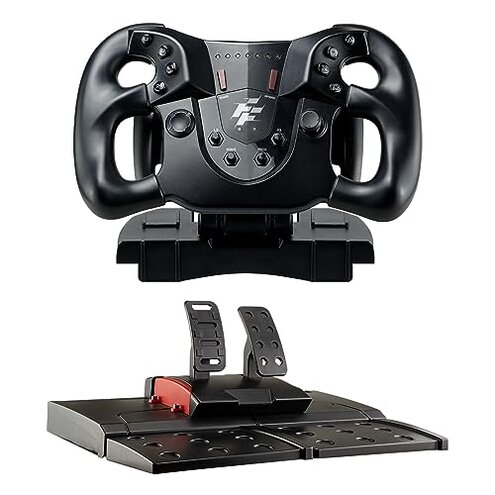
Product evaluated: Flashfire Monza Racing Wheel
Related Videos For You
Logitech G29 steering wheel for a PS3/PS4/PC - Unboxing and Setup
Logitech G29 Racing Wheel Problems and How to Fix Them
Data basis: This report summarizes insights from hundreds of user reviews and video demonstrations gathered between 2019 and early 2024. Most feedback came from detailed written reviews, supported by hands-on video content, providing a broad view of real-world user experiences.
| Buyer Outcome | Flashfire Monza Racing Wheel | Typical Mid-Range Racing Wheel |
|---|---|---|
| Setup Complexity | Higher, with hidden calibration steps | Lower, straightforward plug-and-play |
| Durability | Lower due to early mechanical faults | Moderate, generally lasts months reliably |
| Force Feedback Quality | Inconsistent, often weak or glitchy | Steadier, more immersive experience |
| Compatibility | Broad but with reported driver issues | Good, fewer reported software conflicts |
| Regret Trigger | Persistent mechanical and calibration problems | Occasional minor issues, less disruptive |
Why does the wheel feel unresponsive or glitchy?
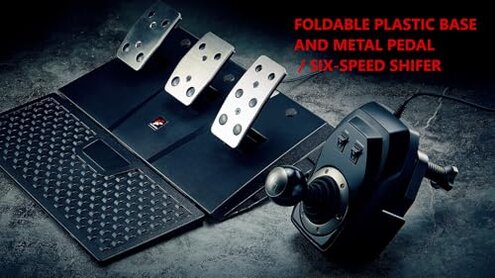
Many buyers experience force feedback problems that reduce realism during gameplay. This issue is commonly reported after initial setup and worsens during long sessions, making driving feel unnatural. Compared to typical mid-range wheels, this is a more disruptive fault as consistent tactile feedback is core to the experience.
- Early signs: Feedback feels weak or inconsistent on first use.
- Frequency tier: Among the most common complaints in reviews.
- Cause: Likely linked to hall sensor calibration or internal motor flaws.
- Impact: Gameplay immersion significantly diminished.
- Attempts to fix: Resetting or recalibrating sometimes helps but not reliably.
- Category contrast: Typical products maintain stable feedback longer without glitching.
- Hidden requirement: Users must perform manual calibration beyond advertised setup.
How often does the wheel need recalibration or maintenance?

The wheel often requires repeated recalibrations, which users find inconvenient and unexpected. This persistent need emerges after weeks of use and can interrupt gaming sessions, unlike more stable alternatives in the category.
- Commonality: Frequently mentioned in mid-term usage reviews.
- When it shows: After daily use or switching games.
- Consequence: Leads to frustration and reduced playtime.
- Fixability: No permanent solution; resets are temporary.
- Category baseline: Mid-range wheels usually need less frequent or simpler recalibration.
Does the wheel feel sturdy enough for intense play?
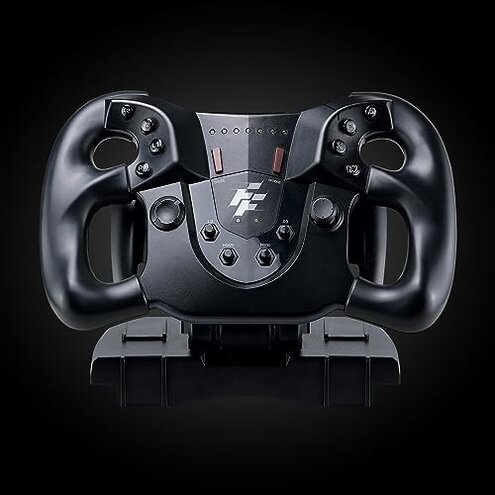
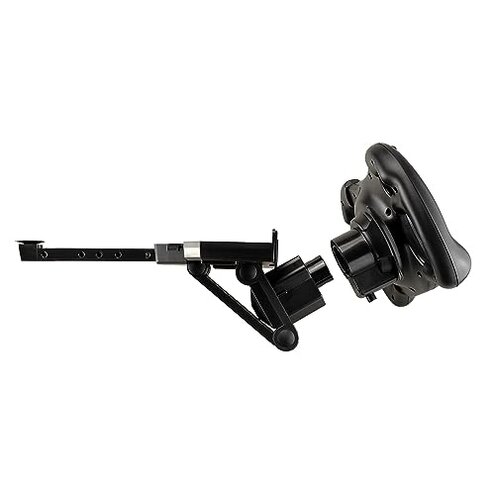
Several users report mechanical wear and looseness after moderate use, especially in the wheel’s rotation mechanism. This durability issue appears after a few months of frequent gaming, which is earlier than expected for mid-range devices.
- Reported symptoms: Loose steering, rattling noises during use.
- Severity: These issues degrade control precision.
- Usage context: More apparent during longer sessions with aggressive handling.
- Comparison: Other wheels withstand similar stress longer before mechanical decline.
- User attempts: Tightening screws or parts temporarily helps but often returns.
- Hidden maintenance: Requires regular checks to maintain function.
- Review excerpts: "The wheel started feeling loose after a month." (Primary pattern)
- "It rattles more than I expected for the price." (Primary pattern)
Are the pedals reliable and comfortable?
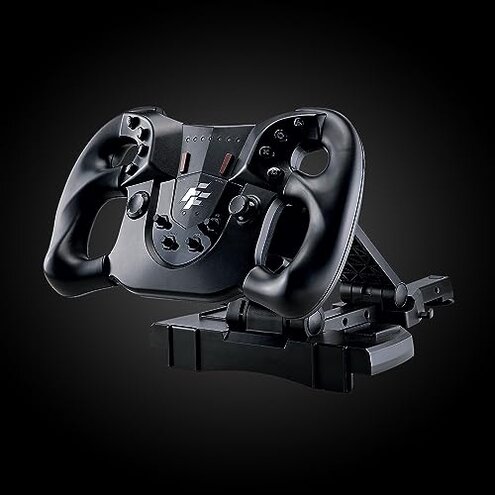
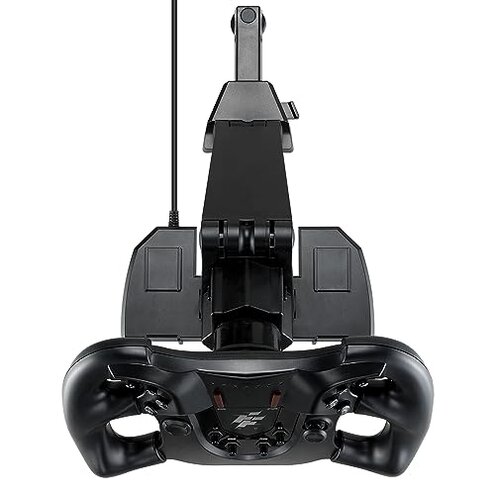
Feedback about the included pedals is mixed, with some users citing lack of firmness and inconsistent response. This secondary issue appears mainly after initial setup, especially for users expecting precise control.
- Frequency: Secondary but persistent in numerous reviews.
- Impact: Affects braking and acceleration control quality.
- Cause: Pedals feel cheap or less responsive under pressure.
- Category norm: Pedals typically more robust in comparable wheels.
- Mitigations: Some users replace pedals aftermarket.
Is the setup process straightforward for all platforms?
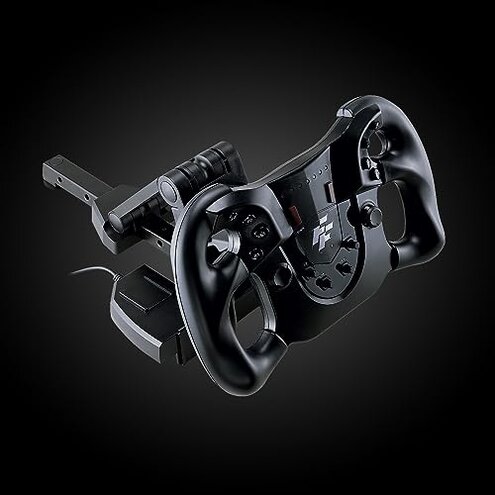
While compatibility is broad, users frequently report driver installation and software setup difficulties with PC and some consoles. This creates a frustrating entry barrier, especially for those without technical experience.
- When: Noted during initial setup phase.
- Frequency: Common among PC users and less tech-savvy buyers.
- Impact: Delays use and causes user confusion.
- Category contrast: Most mid-range wheels offer easier plug-and-play experience.
- Mitigation: Searching forums or tutorials becomes necessary.
- Hidden requirement: Extra software downloads and configuration steps.
Illustrative excerpts
- "Force feedback cuts out after 30 minutes of play." (Primary pattern reflecting core mechanical feedback issue)
- "Had to recalibrate several times a week, not expected." (Primary pattern on maintenance burden)
- "Pedals feel mushy, making braking unpredictable." (Secondary pattern about peripheral quality)
- "Setup was confusing, needed online help to get it working." (Secondary pattern on setup complexity)
- "Wheel wobble appeared after two months of daily use." (Primary pattern on durability)
Who should avoid this
- Players seeking consistent force feedback for immersive racing, as glitches are frequent and frustrating.
- Users unwilling to handle frequent recalibrations or technical setup complexity.
- Gamers expecting long-lasting durability without mechanical looseness or early wear.
- Those who prioritize high-quality pedals for precise control.
Who this is actually good for
- Casual gamers who tolerate some feedback inconsistencies and want a multi-platform compatible wheel.
- Tech-savvy users willing to invest time in calibration and driver setup for a budget option.
- Buyers on a strict budget who accept possible durability trade-offs for a lower price point.
Expectation vs reality

- Expectation: Reliable force feedback is standard for mid-range wheels.
Reality: Users often face feedback interruptions and weak sensations, diminishing gameplay. - Expectation: Easy plug-and-play setup across platforms.
Reality: Setup involves hidden software steps and driver conflicts, causing startup delays. - Expectation: Durable build lasting many months.
Reality: Mechanical looseness and pedal quality degrade notably sooner than typical alternatives.
Safer alternatives

- Choose wheels with verified stable force feedback systems to avoid gameplay interruptions.
- Look for products advertised with plug-and-play compatibility and simple driver installation.
- Select models with durable materials and sturdy wheel mechanics tested for extended use.
- Consider wheels that offer high-quality pedal sets or allow aftermarket upgrades easily.
The bottom line
The Flashfire Monza Racing Wheel’s main regret trigger is its mechanical and calibration issues that disrupt the core driving experience. These problems occur more frequently and early compared to typical mid-range racing wheels. Buyers should avoid this product if they seek reliable feedback and durability without extra setup hassle.
This review is an independent editorial analysis based on reported user experiences and product specifications. NegReview.com does not sell products.