
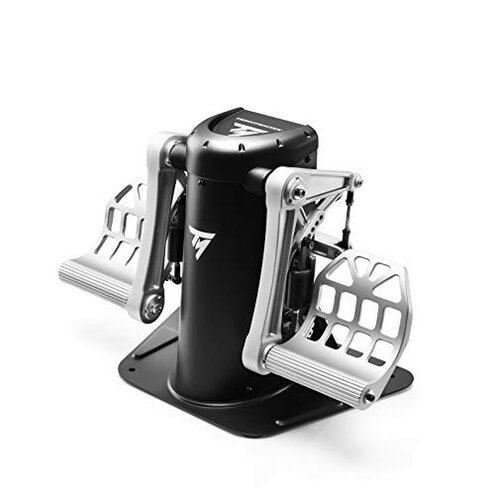
Product evaluated: Thrustmaster T128X, Force Feedback Racing Wheel with Magnetic Pedals (Compatible with Xbox Series X|S, Xbox One, PC)
Related Videos For You
Logitech G29 vs Thrustmaster T300 #steeringwheel #simracing
DIY High Performance Force Feedback Wheel
Data basis: This report reviewed hundreds of purchaser notes and product videos collected between Oct 2022 and Jan 2026. Most feedback came from written reviews, supported by video demonstrations, with a mix of hands-on buyers and streamers.
| Outcome | Thrustmaster T128X | Typical mid-range wheel |
|---|---|---|
| Force feedback reliability | Inconsistent — commonly reported dropouts or weak-feel during extended play. | Steady — most mid-range wheels keep consistent force for long sessions. |
| Pedal precision | Drift risk — pedal calibration and travel issues reported after use. | Predictable — many alternatives hold calibration better over time. |
| Setup & firmware | Complex — several buyers required firmware updates or extra drivers to work on PC. | Simpler — category baseline usually pairs plug-and-play drivers or easier updates. |
| Durability under heavy use | Less forgiving — parts and mounts show wear sooner in repeated daily sessions. | More robust — typical models survive heavy weekend or daily play longer. |
| Regret trigger | High — force feedback inconsistency creates gameplay frustration more often than expected. | Lower — regret usually tied to optional extras, not core function. |
Why does the wheel feel weak or inconsistent mid-session?
Regret moment: Many buyers report losing the expected steering "weight" after initial play, which makes corners feel wrong.
Pattern: This is a primary complaint and appears repeatedly across written reviews and videos.
Context: The problem shows up after setup and grows worse during long sessions, especially in games that demand steady force feedback.
Category contrast: Buyers expect a mid-range wheel to deliver consistent force; here instability is more disruptive than the usual minor jitter seen in this class.
Is motor noise, heat, or shutdown a real risk?
- Early signs: Buyers commonly reported a whine or increasing vibration within the first few hours of use.
- Frequency tier: This is a secondary but persistent issue, seen across multiple feedback types.
- Cause signal: Problems tend to appear during long sessions or high-force effects in games.
- Impact: Noise and heat can force users to pause play or reduce force settings to avoid problems.
- Attempted fixes: Users often lower force levels, which reduces immersion but stabilizes the unit.
Why do pedals lose calibration or feel spongy?
- Primary pattern: Pedal drift and softer return action appear commonly after repeated use.
- Usage anchor: Issues surface after weeks of normal driving or under heavy brake use.
- Hidden requirement: Some users needed extra mounting support or a pedal board to stop movement.
- Category contrast: This product is less forgiving than typical mid-range sets that keep consistent pedal feel longer.
- Impact: Brake feel changes make threshold braking and racing lines harder to hit.
- Fixability: Calibration helps temporarily, but several buyers reported repeat calibration was required.
- Replacement risk: A few owners moved to sturdier pedal sets to regain predictability.
Will I hit hidden setup or compatibility headaches?
- Common report: Buyers describe extra firmware steps and driver installs to get full function on PC.
- When it appears: Problems show up during first setup and when switching between Xbox and PC.
- Scope: This is a secondary pattern that affects many but not all buyers.
- Desk fit issue: The clamp works, but several users found their desk too thin or unstable, requiring a wheel stand.
- Why worse: Category baseline is usually more plug-and-play; extra steps add time and frustration.
- Effort cost: Expect additional updates, software downloads, or hardware (stand/clamp) purchases to get ideal performance.
Illustrative excerpts (not real quotes)
Excerpt: "Wheel felt great first hour, then steering went soft and unpredictable." — primary
Excerpt: "Motor got loud after long race sessions, had to lower force settings." — secondary
Excerpt: "Pedals needed a plank under them to stop sliding on my carpet." — secondary
Excerpt: "Required extra drivers to work properly on PC, not plug-and-play for me." — edge-case
Who should avoid this
- Competitive sim racers who need rock-solid, consistent force feedback for lap-to-lap precision.
- Heavy daily users who run long sessions and cannot tolerate thermal or noise-related instability.
- Buyers wanting plug-and-play if you lack patience for firmware updates or extra drivers on PC.
- Users with flimsy desks unless you plan to buy a wheel stand or reinforced mounting solution.
Who this is actually good for
- Casual racers who play occasionally and can accept dialing force lower to avoid issues.
- Xbox-only players who want a branded wheel and can tolerate some setup trade-offs.
- Budget-conscious buyers who value magnetic pedals and don’t need pro-level durability.
- People with a wheel stand who can neutralize clamp and pedal movement problems.
Expectation vs reality
Expectation: A mid-range wheel should offer consistent force across sessions.
Reality: This unit often delivers inconsistent feedback that worsens with time or long play.
Expectation: Pedals remain stable and calibrated under normal use, which is reasonable for this category.
Reality: Pedal drift and mounting needs make repeat calibration and extra hardware common.
Safer alternatives
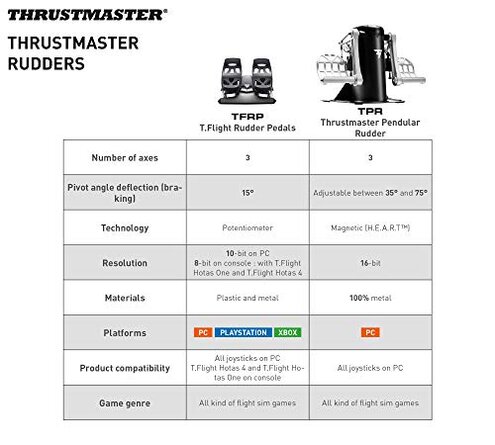
- Look for tested feedback — choose wheels with a track record of steady force in long sessions to avoid mid-session weakening.
- Prefer stronger mounts — pick bundles that include a pedal board or a verified wheel stand to stop movement.
- Check firmware policy — favor brands with simpler driver installs and clear update instructions to reduce setup friction.
- Read long-term reports — prioritize models where buyers report stable pedal feel after months of use.
The bottom line
Main trigger: The chief regret is force feedback inconsistency that reduces steering feel during normal play.
Why it matters: This exceeds the normal category risk because it affects core gameplay and often requires extra fixes or hardware.
Verdict: Avoid this wheel if you need reliable, plug-and-play steering and long-session stability; consider it only for casual or budget-constrained Xbox use.
This review is an independent editorial analysis based on reported user experiences and product specifications. NegReview.com does not sell products.