
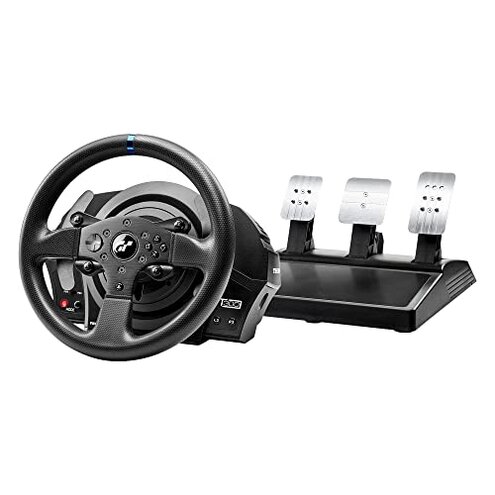
Product evaluated: Thrustmaster T300RS Force Feedback GT Racing Wheel (compatible w/ PS5, PS5 Pro, PS4 & PC)
Related Videos For You
PS2 Setup with Racing Wheel
Checkout the Force Feedback on Logitech G29 | The Crew Motorfest #gaming #thecrewmotorfest
Data basis: We reviewed hundreds of user reports collected between 2016 and Jan 2026, drawn from written reviews and video demonstrations. Most feedback came from written reviews, supported by visual teardown and setup videos.
| Outcome | T300RS (this product) | Typical mid-range alternative |
|---|---|---|
| Force feedback reliability | Higher risk — commonly reported dropouts and inconsistent torque during long sessions. | Lower risk — mid-range wheels usually show steadier feedback under long use. |
| Build durability | Mixed — solid feel but recurring reports of belt/motor wear after months of use. | Better balanced — many alternatives trade premium feel for fewer mid-term failures. |
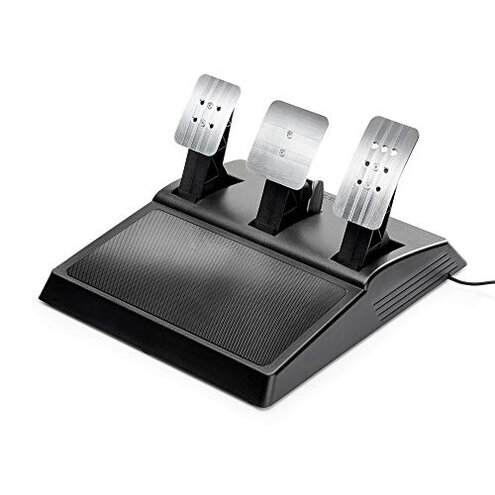
| Pedal consistency | Variable — pedal feel may drift or require adjustment after repeated play. | More stable — pedals on typical mid-range kits remain consistent longer. |
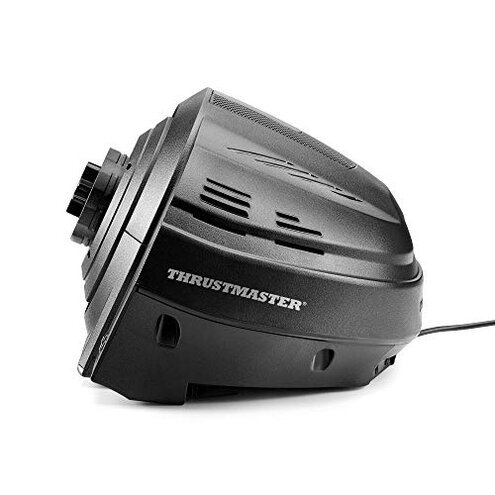
| Noise & heat | Noisier — motor whine and heat build-up reported under intense sessions. | Quieter — comparable wheels often prioritize quieter operation. |
| Software & updates | Higher friction — firmware updates and PC utilities frequently needed to fix issues. | Smoother — fewer recurring update needs for many mid-range competitors. |
| Regret trigger | Unplanned downtime — most buyers regret time spent troubleshooting and repairs. | Minor setup — typical alternatives rarely cause recurring interruptions. |
Top failures
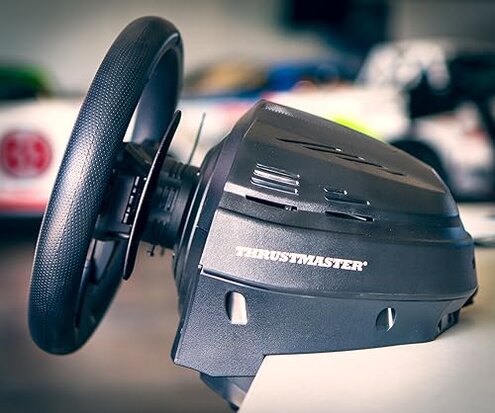
Does the wheel lose strong feedback during long races?
Regret moment: Many buyers report the steering force becoming weak or inconsistent mid-session, turning immersive races into frustrating skids.
Pattern: This is a recurring complaint rather than universal and appears after weeks of regular play.
Usage anchor: It shows up during long sessions and worsens when users push force feedback settings high.
Category contrast: Mid-range wheels usually maintain steady torque; here the disruption is more noticeable and more disruptive than expected.
Why does the wheel make loud whine or motor noise?
- Early sign: Buyers commonly note a persistent motor whine soon after installation.
- Frequency: This issue is commonly reported across written and video sources.
- When it worsens: Noise intensifies under heavy force and long play.
- Impact: The noise can make the wheel feel less premium and distract during races.
- Fix attempts: Users try lubrication or recalibration, but reports show mixed success.
Will the pedals stay accurate and durable?
- Primary sign: Early buyers noticed pedal drift or softening after repeated heavy use.
- Scope: This is a secondary but persistent pattern across months of ownership.
- Usage anchor: Problems appear after repeated sessions or after clamping/transport.
- Cause: Reports point to calibration and mechanical settling as common triggers.
- Impact: Pedal inconsistency harms braking precision in competitive play.
- Repairability: Some owners fix pedals with adjustments; others needed replacement parts, which adds cost.
- Category contrast: Many mid-range kits prioritize long-term pedal stability; this product feels less forgiving over time.
Are there hidden setup or firmware requirements?
- Hidden need: Several users discovered a firmware maintenance routine is necessary to keep the wheel stable.
- Pattern: This requirement is commonly reported and appears across both written and video sources.
- When: Issues surface after updates or when switching between PC and console use.
- Environment: PC users often need drivers or utilities; consoles sometimes need reconnection steps.
- Impact: Firmware friction leads to unexpected downtime during peak use or tournaments.
- Effort: Fixes usually require manual updates, utility installs, or reboots — adding time and technical steps.
- Category contrast: Typical mid-range alternatives demand less frequent hands-on maintenance.
- Hidden cost: Repeated fixes or repairs increase total ownership time and expense.
Illustrative excerpts (not real quotes)
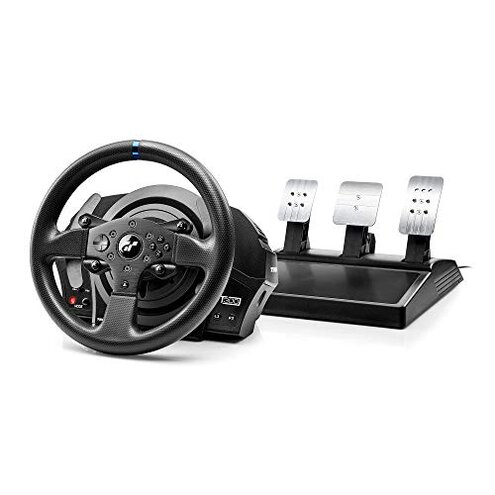
"Wheel felt strong then faded mid-race, ruined a league match." — Primary pattern.
"Loud buzzing when turns got intense, too distracting for sim rigs." — Secondary pattern.
"Needed firmware update to stop disconnects between PC and PS4." — Primary pattern.
"Pedal brake softened after months, needed parts to fix." — Secondary pattern.
Who should avoid this
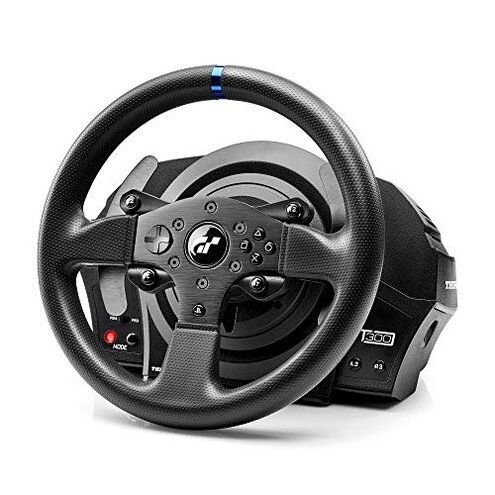
- Competitive racers who need consistent, interruption-free torque during lengthy practice or tournaments.
- Noise-sensitive users who cannot tolerate persistent motor whine in shared spaces.
- Low-maintenance buyers unwilling to run frequent firmware updates or troubleshooting steps.
- Budget handlers who cannot or prefer not to absorb the potential cost of mid-term repairs.
Who this is actually good for
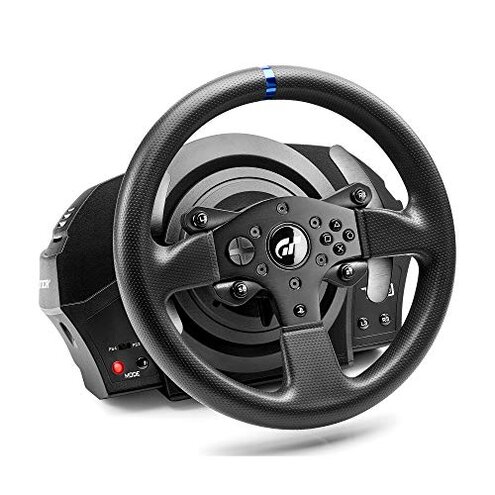
- Enthusiast builders who want a strong-feel wheel and can perform tweaks or repairs themselves; they accept maintenance.
- Casual players who race occasionally and tolerate occasional noise or recalibration for a lower price than premium rigs.
- Owners of sturdy setups who clamp securely and run shorter sessions; they avoid heat and long-session failures.
- PC tinkerers who are comfortable with drivers and firmware tools and who won't mind periodic updates.
Expectation vs reality
Expectation: A mid-range force feedback wheel keeps steady torque through long play.
Reality: Many users experience torque inconsistency and added maintenance that exceed category norms.
Expectation: Pedals remain precise for many months of use (reasonable for this category).
Reality: Pedal drift and adjustments appear more often than expected, producing extra cost and downtime.
Safer alternatives
- Choose quieter drives: Look for wheels advertised with brushless/quiet motors to neutralize the motor-whine risk.
- Prioritize pedal durability: Pick bundles with metal pedal mechanics if you want longer-lasting brake feel.
- Check firmware reputation: Favor models with a history of fewer update-related regressions to avoid downtime.
- Budget for service: If you like this wheel's feel, add a maintenance budget for potential parts or repairs.
- Read long-term tests: Watch extended-use video reviews to confirm noise and wear behavior before buying.
The bottom line
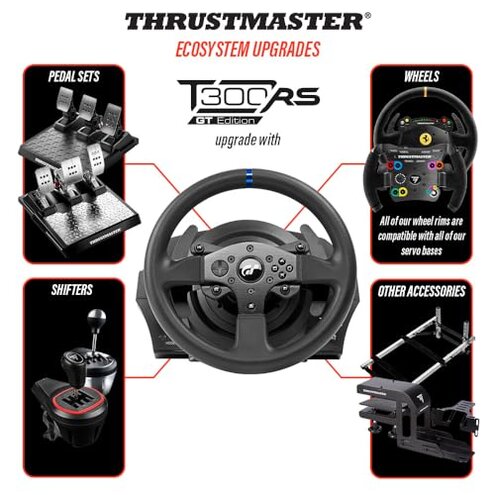
Main regret: The most common trigger is inconsistent force feedback combined with motor noise and recurring firmware friction.
Why it matters: These failures create more downtime and troubleshooting than is normal for mid-range racing wheels.
Verdict: Avoid this unit if you need low-maintenance, quiet, and consistently reliable force feedback.
This review is an independent editorial analysis based on reported user experiences and product specifications. NegReview.com does not sell products.