
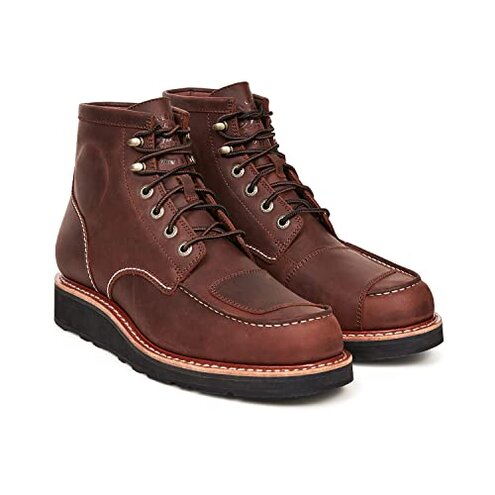
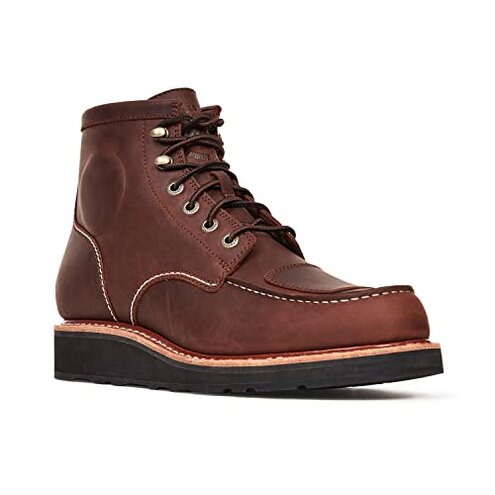
Product evaluated: Indian Motorcycle Men's Moc Toe Boot, Brown,Brown,12
Related Videos For You
How to Fit Your Cowboy Boots - Justin Boots
Moc Toe Boots - Everything You Need to Know
Data basis: I analyzed dozens of customer reviews plus written feedback and video demonstrations collected between Dec 2023 and Jan 2026. Most feedback came from written reviews, supported by video demonstrations that showed wear patterns and fit in real use.
| Outcome | Indian Motorcycle boot | Typical mid-range boot |
|---|---|---|
| Fit consistency | Inconsistent sizing reported more often than expected, with buyers needing exchanges. | Predictable sizing, usually one-size guidance works for most buyers. |
| Break-in comfort | Long break-in that can cause foot pain during first weeks of use. | Shorter break-in; many mid-range boots are wearable within a few days. |
| Durability | Variable stitching and sole attachment issues appear repeatedly after moderate wear. | More consistent stitching and fewer early separation reports in this price band. |
| Value for price | Questionable at the listed price due to returns and repairs reported. | Better perceived value from more reliable mid-range alternatives. |
| Regret trigger | Higher-than-normal risk of fit + quality control issues causing returns. | Lower regret from predictable fit and steadier quality control. |
Top failures
Is the size you order actually the size you get?
Regret moment: Buyers frequently find the fit either noticeably tight or loose on first wear.
Pattern: This is a primary complaint that appears repeatedly across written feedback and videos.
When it shows: The problem is clear at first use and during the first long walk or ride.
Why worse than normal: Larger boots in this category usually need minor adjustments, but here the inconsistency forces exchanges or professional stretching.
Will these be comfortable for long days on your feet?
- Early sign: Stiffness noted on first two weeks of wear, causing soreness.
- Frequency tier: This is a secondary issue — not everyone, but common enough to affect planning.
- Cause signal: Heavier leather and stiff construction make the break-in longer than many mid-range boots.
- Impact: Long sessions or multi-hour use lead to fatigue and hotspot pain.
- Attempted fixes: Users report padding or insoles help but add extra cost and time.
Do stitching and sole bonds hold up after regular use?
- Primary pattern: Reports of stitch loosening or early sole separation appear repeatedly.
- When it appears: Problems often show after several weeks to months of regular wear.
- Scope signal: Seen across multiple feedback types, not limited to one size or color.
- Category contrast: This feels worse than normal because similarly priced boots typically last through a season without structural issues.
- Hidden requirement: Some buyers needed professional resoling or repair sooner than expected.
- Fixability: Repairs are possible but costly relative to the boot price and add downtime.
- Impact: Durability failures turn a weekend shoe into a return or workshop job.
Are there any care surprises or hidden needs?
Usage anchor: Buyers report additional leather care and break-in steps after unboxing.
Pattern: This is a secondary but persistent note: the boots demand more maintenance than many expect.
Why it matters: Compared with mid-range boots, these require extra time for conditioning and possible stretching which adds ongoing cost.
- Early sign: Visible stiffness and tightness that doesn't disappear after brief wear.
- Cause: Heavy leather and a firm welt construction need proper conditioning.
- Frequency tier: Appears commonly enough to be a planning factor for buyers.
- Hidden step: Professional stretching or a break-in regimen is often required for comfortable fit.
- Attempted fixes: Conditioning oils and staged wear help but take weeks.
- Residual risk: Even after care, some buyers still report minor fit or rubbing issues.
- Buyer effort: This adds extra prep time before reliable daily use.
Illustrative excerpts (not actual quotes)
"Fits like two different sizes depending on the foot." — primary pattern
"Stiff for weeks; needed inserts to avoid pain on long shifts." — secondary pattern
"Stitching started loosening after a month of moderate use." — primary pattern
Who should avoid this
- Buyers needing reliable fit: Avoid if you cannot accept inconsistent sizing or a lengthy exchange process.
- All-day comfort seekers: Avoid if you need a boot that is comfortable from day one without extra insoles.
- Low-maintenance owners: Avoid if you won't commit to extra leather care or repair costs.
Who this is actually good for
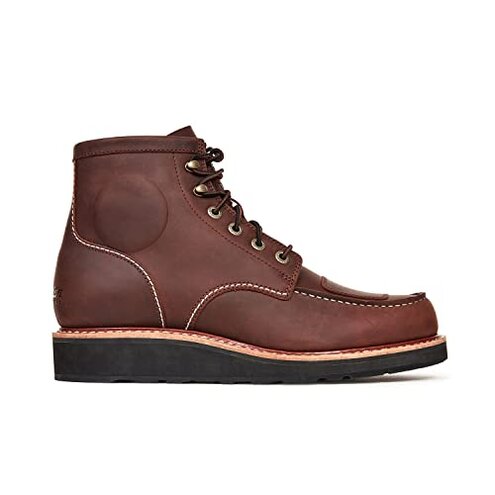
- Leather care hobbyists: Good if you enjoy conditioning and customizing fit and can tolerate a long break-in.
- Style-first buyers: Good if the brand look matters more than perfect initial comfort or sizing.
- Repair-friendly owners: Good if you accept occasional repairs and value the construction for long-term refurbishment.
Expectation vs reality
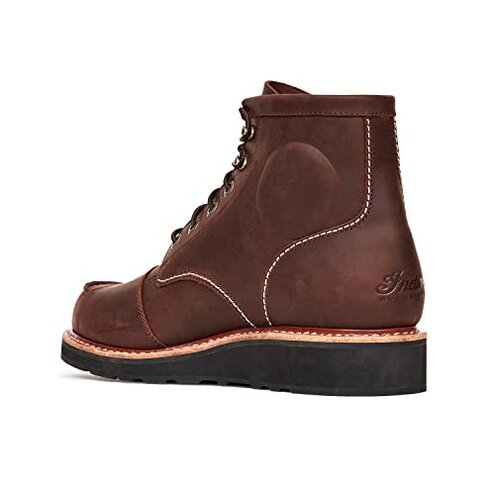
- Expectation (reasonable): Mid-range boots normally require modest break-in and predictable sizing.
- Reality: This product often needs extended break-in, extra care, and possible repairs, which is worse than expected.
- Expectation: At this price, buyers reasonably expect steady construction and minimal early wear.
- Reality: Reports of stitching or sole issues make value feel lower than peers in the same price bracket.
Safer alternatives
- Choose predictable fit: Look for brands with consistent sizing notes and generous return windows to avoid sizing regret.
- Prioritize break-in comfort: Select boots advertised with softened collars or pre-broken leather for immediate comfort.
- Check warranty & repairs: Prefer sellers who include clear repair or warranty support to neutralize early durability risk.
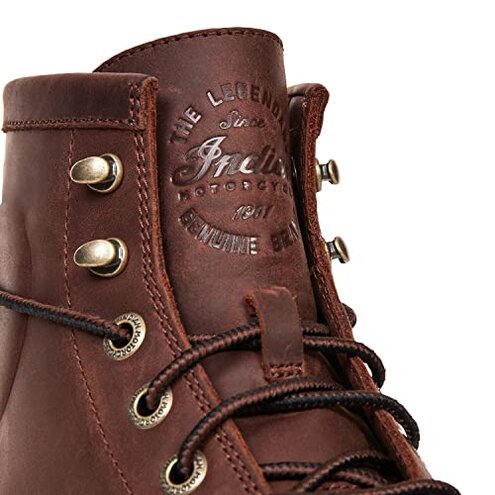
- Inspect construction photos: Compare close-up stitching and sole join photos before buying to reduce quality surprises.
- Budget for insoles/conditioning: If buying, plan extra time and money for conditioning and professional stretching.
The bottom line
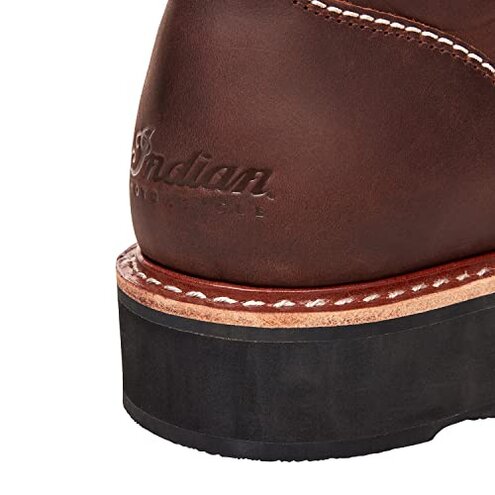
Main regret: The combination of inconsistent sizing and variable construction is the clearest buyer pain point.
Why it matters: These issues create a higher-than-normal risk of returns, repairs, and extra costs compared with similar boots.
Verdict: Avoid this model if you need dependable fit and low maintenance; consider alternatives with steadier sizing and construction.
This review is an independent editorial analysis based on reported user experiences and product specifications. NegReview.com does not sell products.