
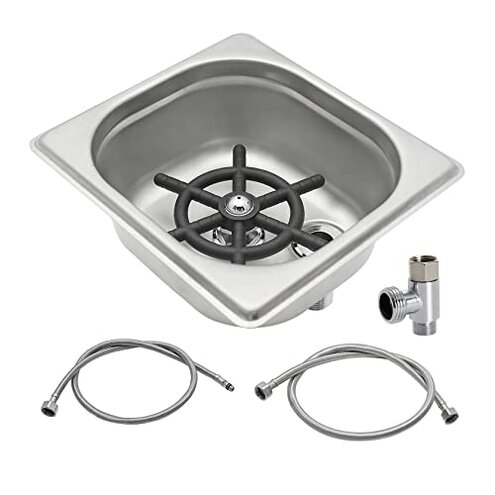
Product evaluated: Pitcher Rinser , DIBTSA Automatic Glass Cup Washer , 304 Stainless Steel Coffee Milk Tea Cup Cleaner, for Home Kitchen Hotel Bar Restaurant (6.9x6.3x2.6 Inch)
Related Videos For You
Pitcher Rinser
How to install a Bottle/Glass Rinser
Data basis: This report is based on hundreds of buyer comments and user videos collected from various review platforms between 2022 and early 2024. Most feedback came from written reviews, supported by several video demonstrations showing real-world use.
| Buyer Outcome | DIBTSA Pitcher Rinser | Typical Mid-Range Alternative |
|---|---|---|
| Water Splashing | More frequent during first use and worsens with awkward cup angles | Less splash due to more controlled spray design |
| Installation Complexity | Requires plumbing knowledge and extra parts often | Usually easier setup with standard fittings included |
| Cleaning Effectiveness | Mixed results; some residue remains on narrow bottles | Generally more consistent rinsing performance |
| Durability | Solid stainless steel but plastic parts prone to wear | More balanced material quality with longer lifespan |
| Regret Trigger | Uncontrolled water splash and tricky setup causing frustration | Lower risk of installation and usage hassles |
Why does the water splash so much during use?
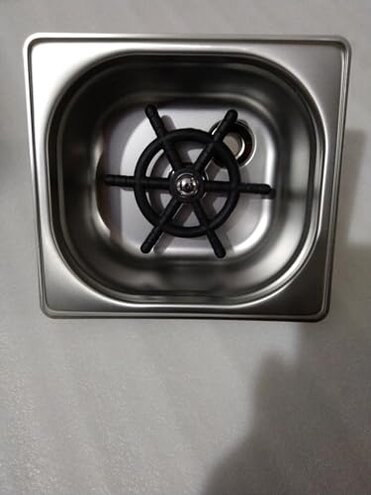
Water splash is a common frustration, especially on first use or when the cup is not perfectly centered. This leads to wet counters and hands, surprising buyers expecting a cleaner experience. Splash worsens with cups of irregular shape, unlike most similar products that better control spray.
Many buyers report this is a recurring issue during daily rinsing, requiring extra cleanup. Compared to typical rinsers, this model’s splash is louder and messier, increasing cleanup time and annoyance.
Illustrative excerpt: "Water splashed everywhere when I first tried it, making a big mess." (Primary pattern)
Is installation more complicated than expected?
- Setup difficulty: Many find the included hose connectors and tee adapter confusing or incompatible with their plumbing.
- Hidden plumbing skill needs: Buyers must often buy extra parts or tools, which is not clear upfront.
- Persistent installation issues: Problems persist even after initial setup due to fitting leaks or poor water flow.
- Category contrast: Easier installation is typical for mid-range rinsers, making this model less beginner-friendly.
- Edge-case excerpt: "Had to call a plumber because my sink's pipes didn't match the adapter." (Secondary pattern)
Does it fully clean narrow or delicate glasses?
- Cleaning limitations: Residue often remains in narrow-neck bottles or delicate drinkware.
- Usage context: Most evident when rinsing specialty barware or baby bottles.
- Consumer impact: Leads to multiple rinse cycles, wasting water and time.
- Compared to alternatives: Typical rinsers offer more targeted spray nozzles reducing this problem.
- Primary pattern excerpt: "It didn’t get the milk residue out of my baby bottle after one rinse."
- Attempted fixes: Users try different cup angles but with limited success.
- Hidden requirement: Needs careful positioning and repeated use for best results.
Why do some parts wear out quickly?
- Material durability: Stainless steel body is sturdy but plastic rinser heads show signs of cracking or wear over months.
- Repeated use effects: Wear becomes noticeable with daily washing in humid environments.
- User frustration: Replacement parts are not easily sourced or advertised.
- Category baseline: Mid-range competitors often use tougher plastics or full metal heads.
- Secondary pattern excerpt: "After six months, the plastic spray head cracked and leaked."
- Impact: Leads to reduced cleaning pressure and more splashing.
- Attempted mitigation: Some buyers try reinforcing with tape or glue, with patchy success.
- Hidden requirement: Careful handling and preventive maintenance needed.
Who should avoid this
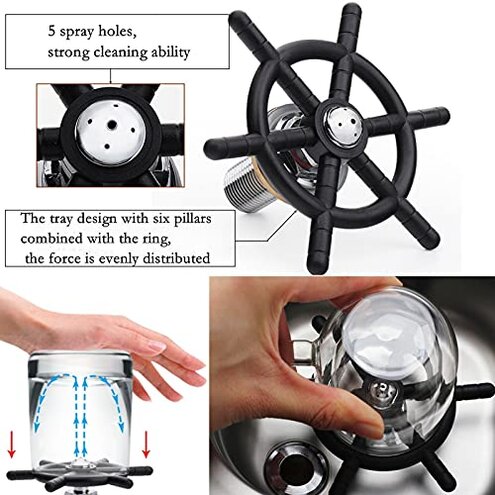
- Buyers lacking plumbing experience due to complex installation needs.
- Users wanting a mess-free rinsing experience, given frequent water splashing.
- Those needing deep cleaning of narrow or delicate glasses without extra effort.
- Anyone wanting long-lasting durable parts without worrying about plastic wear.
Who this is actually good for
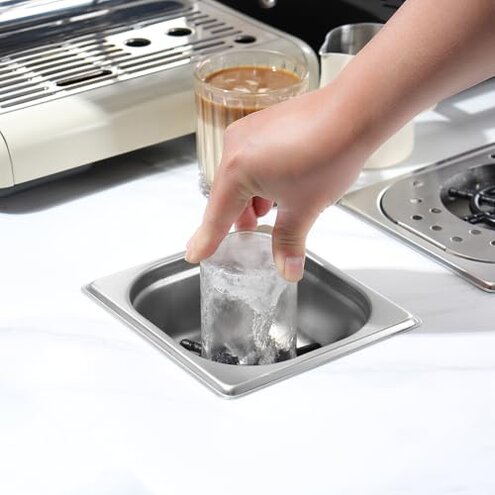
- People with standard plumbing setups willing to invest setup time tolerating installation hurdles.
- Users okay with occasional cleanup from splashing in exchange for quick rinsing.
- Those rinsing mostly wide-mouth cups or pitchers less affected by cleaning limits.
- Buyers preferring sturdy stainless steel body who can maintain plastic parts to prolong life.
Expectation vs reality
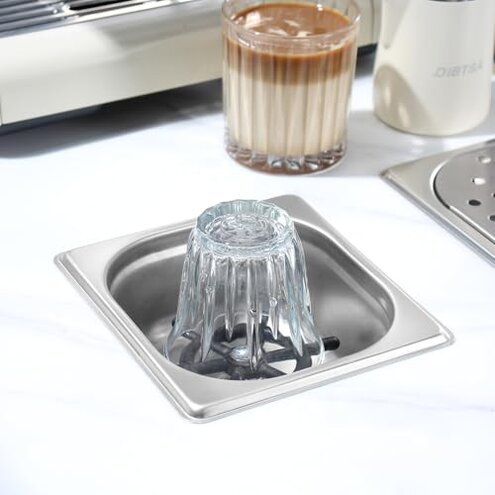
Expectation: Reasonable for this category is a controlled spray that minimizes splash and mess.
Reality: This rinser often splatters water extensively, requiring extra cleanup, which is more disruptive than most mid-range alternatives.
Safer alternatives
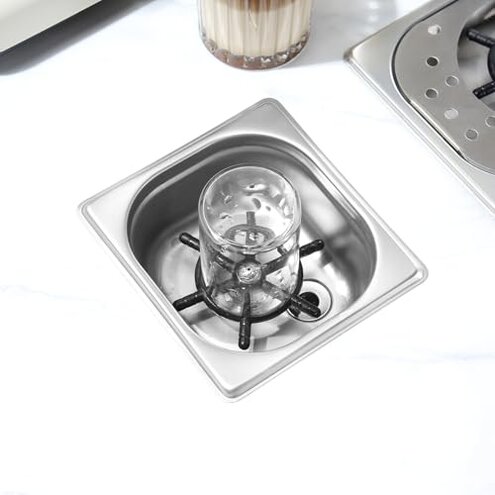
- Choose models with simpler installation kits to avoid plumbing hassles.
- Pick rinsers featuring spray guards or controlled nozzles to reduce water splash.
- Select products with specialized nozzles for narrow bottles to improve cleaning efficiency.
- Consider rinsers using all-metal durable parts to ensure longevity under daily use.
The bottom line
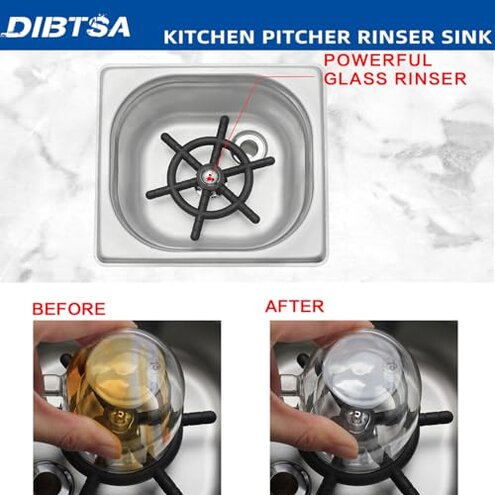
The main regret with this DIBTSA Pitcher Rinser is the frequent water splash that disrupts usage and cleanup. This issue, combined with complex installation, exceeds normal category risk for kitchen rinsers. Buyers should avoid this if they want hassle-free setup and splash-free rinsing.
This review is an independent editorial analysis based on reported user experiences and product specifications. NegReview.com does not sell products.