
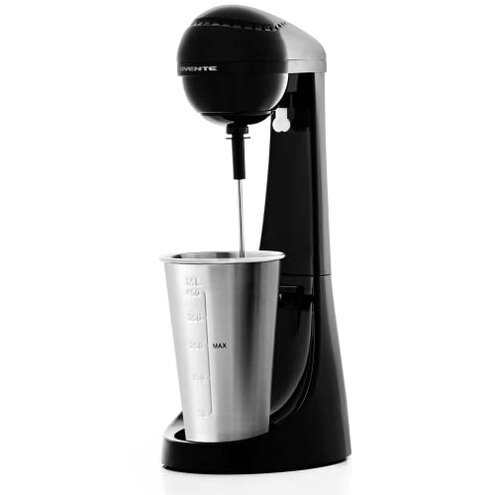
Product evaluated: OVENTE Classic Milkshake Maker Machine with 2 Speed Setting, Safety Lock & 15.2 Ounce Stainless Steel Mixing Cup & Rod, Electric Drink Mixer Ideal for Malted Milk, Protein Shakes & More, Black MS2070B
Related Videos For You
Making a Milkshake with the Hamilton Beach Drink Mixer | eTundra
Bartesian | If you are NOT doing this to your Cocktail Machine YOU are in BIG Trouble @Bartesian
Data basis: This report aggregates feedback from dozens of written reviews and some video demonstrations collected between 2021 and 2024, with most feedback coming from written reviews and supported by videos.
| Buyer outcome | OVENTE MS2070B | Typical mid-range alternative |
|---|---|---|
| Durability | Higher-than-normal motor and spindle failures reported; recurring within months for many buyers. | Standard expected lifespan with occasional repairs, usually more durable than this model. |
| Noise & vibration | Loud operation and wobble under heavy mixes; disruptive during use. | Quieter and more stable in normal mid-range offerings. |
| Cleaning & maintenance | Extra effort for spindle cleaning and drying to avoid smell or buildup. | More forgiving designs that ease daily cleaning and less hidden maintenance. |
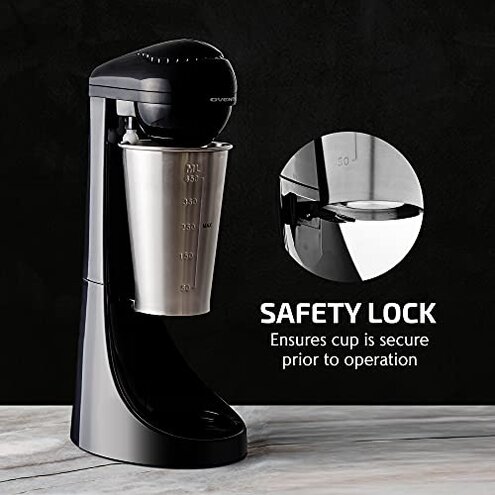
| Safety features | Safety lock exists but alignment issues reported during setup and use. | Reliable locks and better fit are common in mid-range alternatives. |
| Regret trigger | Early failure during everyday use is the main reason buyers regret buying this unit. | Lower regret trigger for mid-range models due to better longevity. |
Top failures
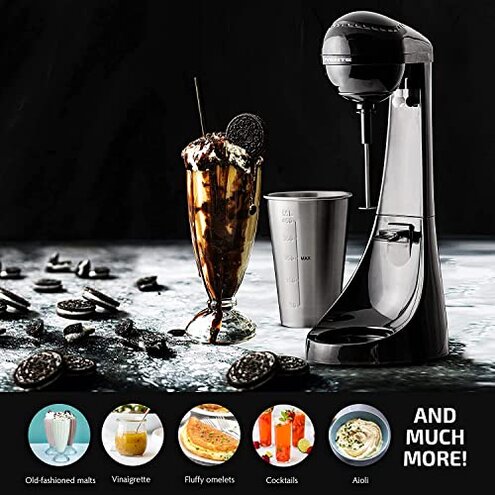
Why does the motor stop or lose power so soon?
Regret moment: Many buyers report the motor weakening or stopping after weeks to months of normal use, leaving shakes under-mixed.
Pattern: This is a primary issue that appears repeatedly across written feedback and some videos.
Usage anchor: It shows up after repeated use, especially with thicker mixes or frequent daily use.
Category contrast: This is worse than expected because mid-range mixers usually tolerate heavier use without early motor wear.
Why is the unit so noisy and unstable?
- Early sign: Vibration and loud whine reported on first uses and during heavier mixes.
- Frequency tier: Appears repeatedly in feedback, though not universal across all buyers.
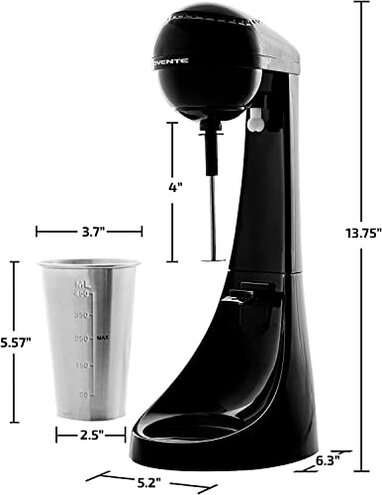
- Cause hint: Buyers note wobble from the mixing rod and loose cup fit during operation.
- Impact: Noise makes short use inconvenient and unsuitable for shared or quiet spaces.
- Attempted fixes: People tried stabilizing on a towel or tightening the cup, with mixed success.
Why is cleaning harder than expected?
- Hidden requirement: The spindle often needs a quick powered rinse then hand-wash to avoid buildup.
- Early sign: Smell or residue forms if not cleaned immediately after use.
- Frequency tier: This is a secondary issue commonly reported by daily users.
- Cause: Limited access around the rod and small crevices trap milk and powders.
- Impact: Cleaning adds time and can make the unit feel higher maintenance than similar products.
- Fixability: Hand-washing and occasional disassembly help but add steps and time.
Why do safety lock and cup alignment problems keep showing up?
- Pattern: Alignment complaints are a persistent but less universal issue.
- When it appears: Problems often occur during setup or when re-seating the cup after cleaning.
- Scope: Seen across multiple feedback types, including photo-based reports.
- Impact: Misalignment prevents the motor from running or causes intermittent stops.
- Category contrast: Mid-range units usually have more forgiving or self-centering cups.
- Attempts: Buyers reported reseating the cup repeatedly to get it to lock, adding frustration.
- Hidden cost: May require buying spare cups or parts sooner than expected.
Illustrative excerpts (not real quotes)
Excerpt: "Motor slowed after a month of daily shakes, stopped mid-mix."
Pattern label: Reflects a primary durability pattern seen across many reports.
Excerpt: "Unit vibrates loudly and the cup wobbles even on a counter."
Pattern label: Reflects a secondary usability pattern common in video demonstrations.
Excerpt: "Spindle traps milk at the base and needs immediate rinsing."
Pattern label: Reflects a secondary maintenance pattern reported by daily users.
Excerpt: "Safety lock wouldn’t engage until I fiddled for several minutes."
Pattern label: Reflects an edge-case but persistent setup frustration.
Who should avoid this
- Heavy daily users: Avoid if you make thick shakes or use a mixer every day, due to motor wear.
- Noise-sensitive buyers: Avoid if you need quiet operation in shared or small spaces.
- Low-maintenance buyers: Avoid if you dislike extra cleaning steps or hidden upkeep.
- Those needing reliable locks: Avoid if you expect foolproof cup alignment and a worry-free safety lock.
Who this is actually good for
- Occasional users: Good for light, infrequent shakes where motor strain is low.
- Budget buyers: Good if you accept shorter lifespan for a lower upfront price.
- Simple recipes: Good for thin, quick mixes that avoid heavy stress on the motor.
- People who can maintain: Good for buyers willing to do immediate cleaning and occasional part replacement.
Expectation vs reality
Expectation: Reasonable for this category is a mixer that lasts months of normal household use without motor trouble.
Reality: The motor and spindle can fail within months, which creates real regret for regular users.
Expectation: Reasonable for the category is easy daily cleaning with a removable rod or smooth surfaces.
Reality: The rod and crevices require immediate rinse and more hand-cleaning than expected.
Safer alternatives

- Choose durable motors: Pick mixers advertised with reinforced motors and better longevity to avoid early failures.
- Prioritize stability: Prefer designs with wider bases or customer notes about low vibration for quieter use.
- Look for easy-clean parts: Seek removable rods and dishwasher-safe cups to reduce hidden maintenance steps.
- Check lock design: Favor units with self-centering or positive-lock cups to avoid alignment frustration.
- Read long-term reports: Seek feedback from buyers who used the product for months to catch early-failure patterns.
The bottom line
Main regret: Early motor wear and noisy vibration are the most common triggers for buyer regret with this model.
Why worse than normal: These failures happen more often and sooner than typical mid-range mixers, adding maintenance and replacement costs.
Verdict: Avoid this unit if you need a quiet, reliable, low-upkeep drink mixer for daily use.
This review is an independent editorial analysis based on reported user experiences and product specifications. NegReview.com does not sell products.