
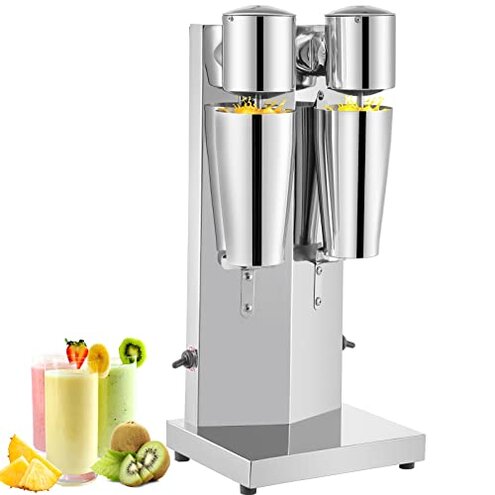
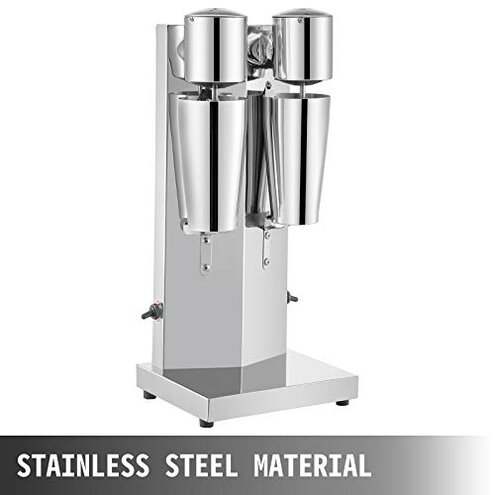
Product evaluated: VEVOR Milkshake Double Head Electric Blender, 180W, Silver, 800ml
Related Videos For You
Making a Milkshake with the Hamilton Beach Drink Mixer | eTundra
Blender | How to Clean and Care (Ninja® Foodi® Power Blender Processor System)
Data basis: This report is based on dozens of written reviews, several video demonstrations, and community Q&A posts collected from Jan 2023 to Jan 2026. Most feedback came from written reviews, supported by a smaller set of videos showing real use and setup problems.
| Outcome | VEVOR Milkshake Maker | Typical Mid‑Range Alternative |
|---|---|---|
| Noise level | High — frequently described as loud and vibrating during normal use. | Moderate — most mid-range models run noticeably quieter. |
| Durability | Higher risk — mechanical faults and motor wear appear more often than expected. | Average — similar models usually last longer under daily use. |
| Consistency | Inconsistent — speed and mixing uniformity can vary between uses. | More consistent — typical alternatives keep steady performance. |
| Cleaning & maintenance | Higher upkeep — parts trap residue and need frequent disassembly. | Easier — mid-range units tend to be simpler to clean. |
| Regret trigger | Motor noise & early failures — buyers replace or return more often. | Lower — regret tied more to price than reliability. |
Top failures
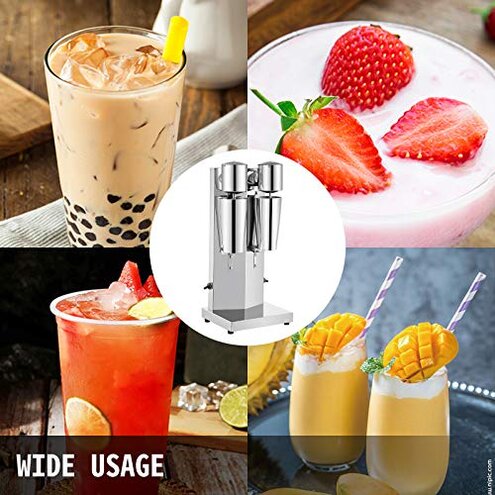
Why is this so loud and shaky?
Regret moment: The motor runs loudly and the unit vibrates noticeably when you make a single milkshake.
Pattern: This is a recurring complaint, reported after first use and during regular operation.
Context: Noise is worse with thicker mixes, long runs, or when both heads are used together.
Category contrast: More disruptive than most mid-range blenders, where quiet operation is expected for home or shop counters.
Will the motor keep working under daily use?
- Primary signal: Mechanical failures and motor wear are a primary issue for frequent users.
- When it appears: Problems often show up after repeated daily use or long continuous runs.
- Frequency tier: This is a primary issue compared to other reported complaints.
- Cause clue: Heat buildup and load stress when mixing thick shakes or multiple drinks back-to-back.
- Impact: Failure requires repair or replacement, adding downtime and cost.
How annoying is cleaning and setup?
- Early sign: Residue collects around the head and cup interface right after first use.
- Hidden step: You may need frequent disassembly to clean properly, which is a hidden requirement for hygiene.
- Frequency tier: This is a secondary but persistent inconvenience for daily users.
- Why worse: More upkeep than most mid-range alternatives that use simpler detachable parts.
- Attempts buyers make: Regular deep-cleaning, soaking, and extra seals to stop residue buildup.
- Fixability: Fixes are manual and time-consuming; spare parts may be needed over time.
Does the cup latch and auto-switch work reliably?
- Symptom: Microswitch activation can be inconsistent, causing the motor to stop while in use.
- Usage anchor: Problems appear during normal cup locking and when using non-original cups.
- Scope: This is a commonly reported issue across different batches and buyers.
- Hidden requirement: The unit appears to require a precise cup type and alignment to run reliably.
- Impact: Interruptions to service or multiple attempts to start a single shake.
- Category contrast: Less forgiving than typical competitors that accept a wider range of cups.
- Workaround attempts: Buyers align cups carefully or tape tiny spacers, which adds time and fuss.
- Residual risk: Even with careful use, the switch can fail after repeated cycles.
Illustrative excerpts
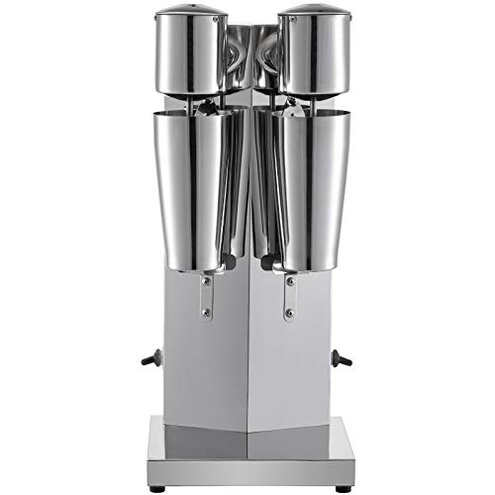
"Motor was loud and stopped after two weeks of regular use." — reflects a primary pattern of early failure.
"Needed to take it apart to clean residue every other day." — reflects a secondary pattern of heavy upkeep.
"Cup wouldn't click unless perfectly centered; wasted time." — reflects a secondary pattern of alignment fuss.
"Works for single shakes but struggles with back-to-back orders." — reflects an edge-case pattern for high-volume use.
Who should avoid this
- Quiet-focused buyers: Avoid if you need a low-noise appliance for small shops or home counters.
- High-volume users: Avoid if you plan to run long, back-to-back shifts without breaks.
- Low-maintenance shoppers: Avoid if you want a unit that cleans easily and needs minimal servicing.
Who this is actually good for
- Infrequent home users: Good if you make occasional shakes and can tolerate noise and routine cleaning.
- Budget-conscious buyers: Good if you accept potential shorter lifespan for lower upfront cost.
- DIY fixers: Good if you are comfortable with simple repairs and part swaps to extend service life.
Expectation vs reality
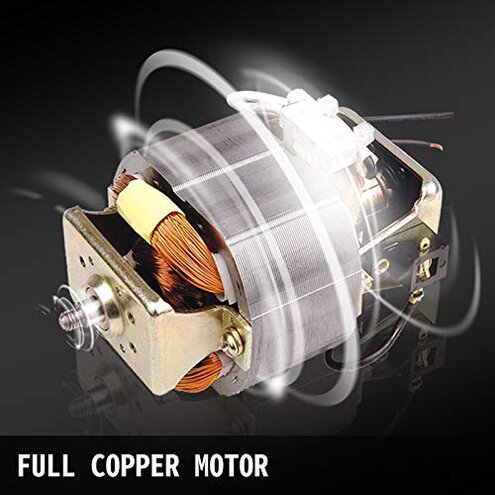
Expectation: Reasonable for this category is a stable motor that handles a few drinks daily without overheating.
Reality: The motor can be noisy, heat up, and show wear faster than mid-range alternatives under similar loads.
Expectation: Simple cup latching and easy cleaning like most mid-range models.
Reality: You face extra steps for precise cup alignment and more frequent disassembly to clean properly.
Safer alternatives
- Pick quieter motors: Look for consumer reviews that emphasize low noise and vibration tests.
- Choose better service options: Prefer brands with clear warranty and easy spare-part availability.
- Prefer detachable heads: Buy models with tool-free disassembly for faster cleaning and less hidden upkeep.
- Match capacity to use: For heavy use, select units rated for continuous operation or commercial duty.
The bottom line
Main regret: The pairing of loud operation and early mechanical issues is the main trigger for returns and repairs.
Why it matters: These failures exceed normal category risk because they affect daily reliability and add ongoing upkeep.
Verdict: Avoid this model if you need quiet, consistent, or high-volume performance; consider it only for occasional home use or if you accept maintenance and noise trade-offs.
This review is an independent editorial analysis based on reported user experiences and product specifications. NegReview.com does not sell products.