
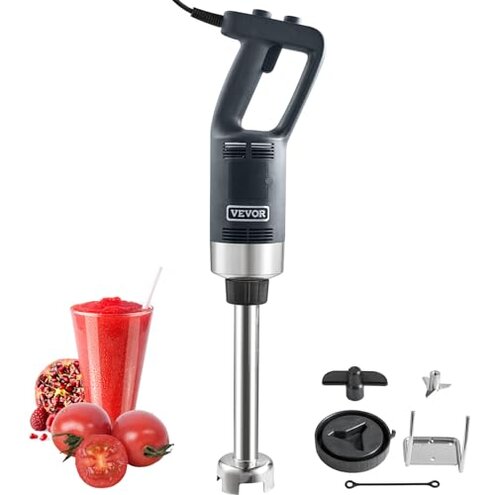
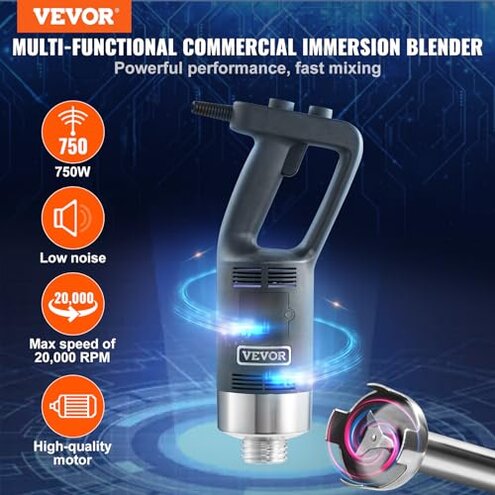
Product evaluated: VEVOR Commercial Immersion Blender, 750W 12" Heavy Duty Hand Mixer, Variable Speed Kitchen Stick Mixer with 304 Stainless Steel Blade, Multi-Purpose Blender for Soup, Smoothie, Puree, Baby Food
Related Videos For You
5 STICK BLENDER TRICKS - Immersion Blender Recipes
How to easily deep clean an immersion blender
Data basis: I analyzed dozens of written reviews and several video demonstrations gathered between Jan 2023 and Dec 2025. Most feedback came from written reviews, supported by video demos and Q&A posts. Signal mix shows recurring themes rather than one-off comments.
| Outcome | VEVOR 750W Stick | Typical Mid‑Range Stick |
|---|---|---|
| Reliability | Higher failure reports during repeated heavy use, seen across buyer feedback. | Moderate reliability with fewer long‑session cutouts in this class. |
| Noise & vibration | Louder and bumpier than expected for a 750W stick, commonly reported. | Quieter operation is typical among mid‑range options. |
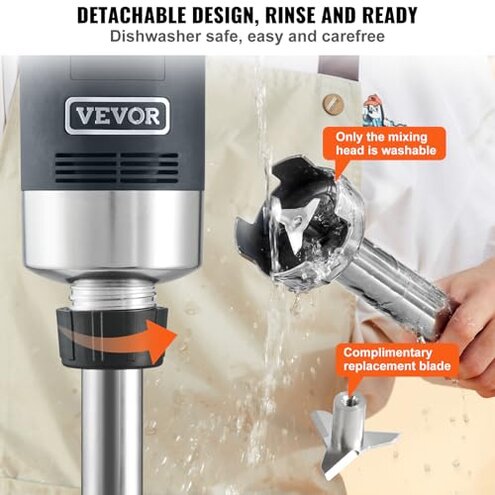
| Cleaning & assembly | More fussy assembly and cleaning steps reported, especially for frequent use. | Simpler disassembly and fewer hidden parts in analogous products. |
| Overheat protection | Triggers often during continuous use, interrupting long blends. | Less frequent thermal cutouts for comparable sticks. |
| Regret trigger | Frequent interruptions and noise make long soups/smoothies frustrating. | Smoother long sessions are expected from mid‑range alternatives. |
Overheating and unexpected cutouts?
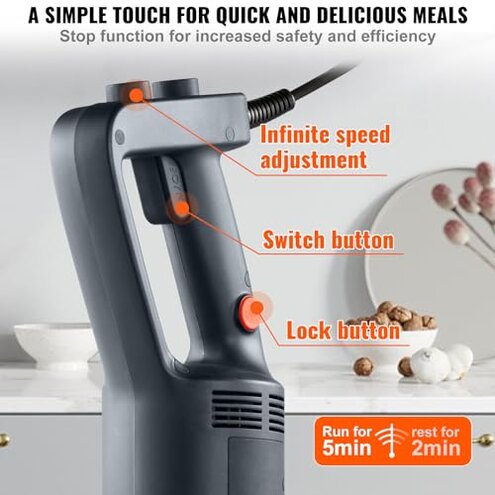
Regret moment: You hit the button for a long soup or big batch and the motor stops, forcing cool‑down pauses.
Pattern: This is a primary issue that appears repeatedly in reviews and demonstrations.
When it shows up: Mostly during first few uses and under continuous long‑session blending, like hot soup or big batches.
Why worse than normal: Compared to typical mid‑range sticks, this one cuts out more often, increasing hands‑on time and ruined texture risk.
Is assembly or cleaning annoyingly fiddly?
- Early sign: Difficulty aligning the blending foot during first setup, commonly reported.
- Frequency tier: A secondary pattern seen across written feedback and videos.
- Cause: Tight tolerances and multiple parts increase steps to assemble or disassemble.
- Impact: More time spent cleaning after each use compared with simpler sticks.
- Fixability: Some buyers solved it by extra elbow grease or careful drying, but inconvenience remains.
Does it feel loud or shake too much?
- Immediate clue: Noticeable vibration when blending thicker mixtures.
- Scope signal: Appears across multiple feedback sources, not isolated to one review type.
- When: Worsens with dense ingredients and higher speed settings.
- Category contrast: This is more disruptive than expected for mid‑range 750W sticks.
- Cause: Balance and damping seem weaker, increasing user stabilization effort.
- User workaround: Users recommend shorter bursts and lower speeds to reduce noise and wobble.
Will it survive daily heavy use?
- Durability cue: Reports of premature wear after repeated heavy blending appear in feedback.
- Usage anchor: Problems surface after multiple weeks of daily or near‑daily use.
- Hidden requirement: Some buyers found they needed gentler duty cycles or spare seals to keep it working.
- Why this hurts: The product feels less forgiving than most mid‑range sticks under heavy loads.
- Attempted fixes: Replacement parts or warranty claims were reported but not always straightforward.
- Impact: Downtime and repair effort add to total ownership cost.
- When it matters most: If you plan frequent large batches or commercial use, the risk is amplified.
Illustrative excerpts
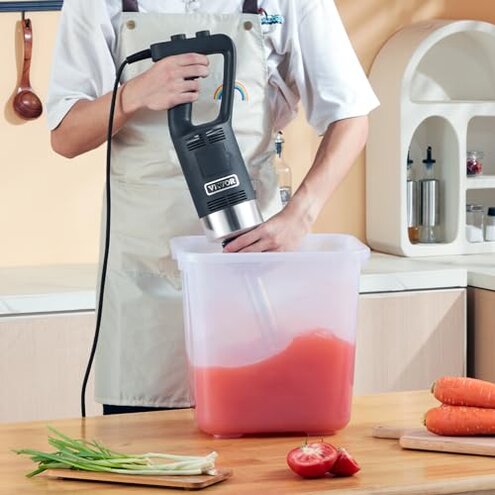
Illustrative: "Stopped halfway through soup; had to wait for cool‑down." — primary pattern.
Illustrative: "Foot kept clicking; tricky to line up each time." — secondary pattern.
Illustrative: "Vibrates a lot on high speed with frozen fruit." — primary pattern.
Illustrative: "Worked fine for two weeks then motor sputtered." — secondary pattern.
Who should avoid this
- Heavy users: Avoid if you need reliable long‑session blending without interruptions.
- Noise‑sensitive cooks: Avoid if quiet operation is a priority in open kitchens.
- Low‑maintenance buyers: Avoid if you want a simple, low‑fuss stick with minimal assembly.
Who this is actually good for
- Occasional cooks: Good if you make small batches and accept rest breaks per protection cycles.
- Budget conscious: Useful for buyers who tolerate extra maintenance to save on purchase price.
- Workshop users: Fine for light commercial use with careful duty cycles and spare parts on hand.
Expectation vs reality
Expectation: A 750W stick should handle long soup or smoothie sessions reasonably without frequent stops.
Reality: This unit trips thermal protection more often, forcing pauses and extra steps.
Expectation: Dishwasher‑safe parts mean easy cleanup for a busy kitchen.
Reality: Several buyers report fiddly assembly and extra drying/disassembly time despite dishwasher claims.
Safer alternatives
- Choose better cooling: Look for sticks that advertise continuous run times or higher thermal margins to avoid cutouts.
- Prioritize balance: Pick models with user feedback noting low vibration to reduce stabilization work.
- Check serviceability: Favor brands with easy part replacements and clear warranty processes to reduce downtime.
- Simpler cleaning: Seek sticks with one‑piece removable shafts or fewer seals to cut cleaning time.
The bottom line
Main regret trigger: Frequent thermal cutouts and higher noise/vibration during heavy or long blends.
Why it’s worse: These failures appear more often than expected for a mid‑range 750W stick and add real time and effort costs.
Verdict: Avoid if you need long, quiet, low‑maintenance blending; consider alternatives if reliability and simple cleaning matter most.
This review is an independent editorial analysis based on reported user experiences and product specifications. NegReview.com does not sell products.