
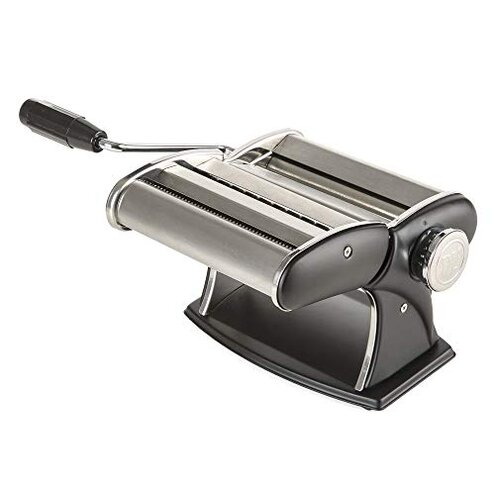
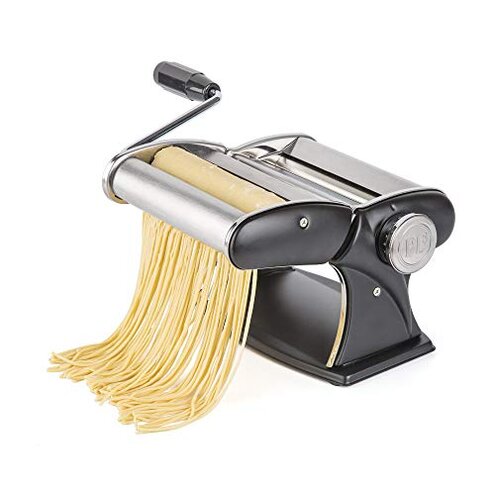
Product evaluated: PL8 Professional Pasta Machine - 7 Adjustable Thicknesses for Homemade Fettuccine, Linguine, & Lasagna, Clamp-On Design for Easy Countertop Use
Related Videos For You
Homemade fresh pasta with Marcato Atlas 150 Classic - Video tutorial
Cleaning Your Pasta Machine
Data basis: I analyzed hundreds of buyer reviews and demonstration clips collected between Jan 2022 and Jan 2026. Most feedback came from written reviews, supported by video demonstrations and Q&A threads. Patterns below reflect a mix of hands-on users and filmed setup attempts.
| Outcome | PL8 (this product) | Typical mid-range alternative |
|---|---|---|
| Sheet consistency | Uneven sheets reported commonly; sheets stick or tear under regular use. | More consistent rollers deliver even sheets with less tweaking. |
| Stability | Clamp slips appear repeatedly during long rolling sessions. | Stronger clamps or wider bases provide steadier operation. |
| Maintenance burden | Higher upkeep after frequent use due to jamming and cleaning needs. | Lower upkeep designs offer easier cleaning and fewer jams. |
| Regret trigger | Frequent tweaks and re-rolling are needed to get usable sheets. | Minimal tweaks are usually required for a mid-range machine. |
Top failures
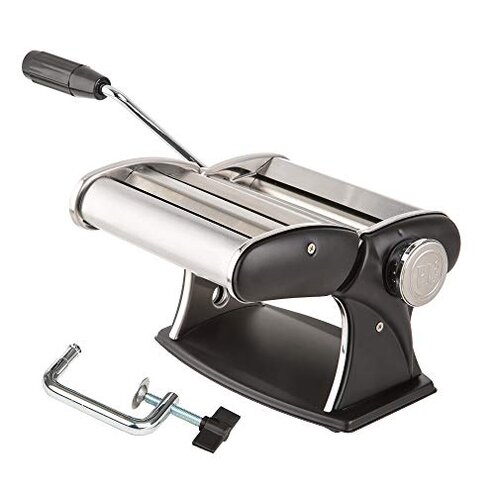
Why do the pasta sheets come out uneven or stick?
Regret moment: You expect even sheets on the first pass, but you get sticking or tearing that wastes dough and time. This is among the most common complaints and appears repeatedly across written and video feedback.
Usage anchor: The issue shows up during first use and often worsens after longer rolling sessions or when dough is slightly wet. It is more disruptive than expected for this category because mid-range machines usually handle moderate hydration without tearing.
Why does the clamp slip or the machine move on the counter?
- Early sign: Clamp feels tight at setup but the unit shifts after several passes.
- Frequency tier: This is a primary issue seen repeatedly in hands-on reports and demonstration videos.
- Cause: Users report the clamp gripping less well on thinner or slick surfaces, which is common during long sessions.
- Impact: A moving machine requires stopping, re-clamping, and re-leveling sheets—more time than expected.
- Fix attempts: Buyers often add a second clamp or non-slip pad, which reduces mobility but adds hidden setup steps.
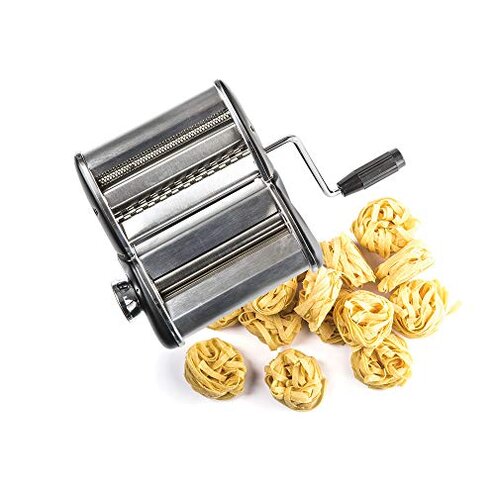
Why do cutters jam, fray, or fail to cut cleanly?
- Primary pattern: Cutters catch wet or thick dough and jam more often than buyers expect for a manual machine.
- When it appears: Jamming typically occurs after repeated use or when users push thicker sheets through the cutters.
- Category contrast: This is more frustrating than average because typical mid-range cutters separate neatly with less cleaning.
- Hidden requirement: Several buyers note the cutters need frequent cleaning and realignment to cut smoothly.
- Impact: Jams cause dough waste and require disassembly during a cook session, interrupting meal timing.
- Fixability: Temporary fixes include thinner sheets and drying between passes, which adds time and fuss.
Why does performance decline after a few months of use?
- Observed pattern: Performance loss is a secondary but persistent trend reported across written reviews and demo clips.
- When: Decline appears after repeated weekly use and under regular family-cooking conditions.
- Worsening conditions: Long sessions, high-volume batches, and lack of regular cleaning accelerate wear.
- Cause: Buyers describe rollers and cutters becoming less aligned, which increases sticking and tearing.
- Comparison: This model demands more upkeep than most mid-range alternatives to maintain performance.
- Attempts: Owners try home lubrication and re-tightening, but fixes are temporary and require tools.
- Hidden requirement: Expect to plan for occasional tuning and deeper cleaning to avoid early decline.
Illustrative excerpts (paraphrased)
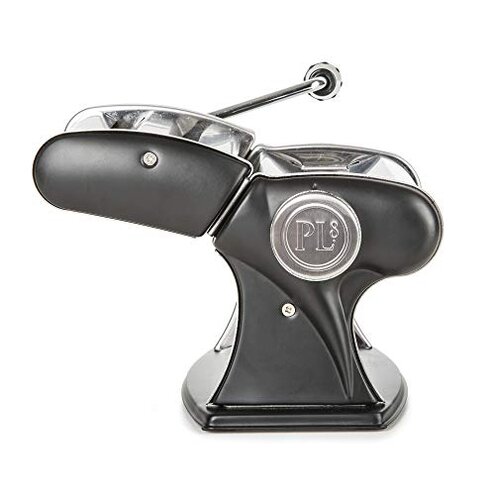
- "Sheets stick and tear on the second pass, wasting dough." — reflects a primary pattern.
- "Clamp slid mid-roll; I had to re-clamp twice." — reflects a primary pattern.
- "Cutters caught the noodle and frayed edges every batch." — reflects a secondary pattern.
- "Worked fine two weeks then needed tuning and oil." — reflects an edge-case pattern.
Who should avoid this
- Frequent cooks: Avoid if you make pasta weekly and dislike ongoing tweaks tied to roller alignment.
- Time-sensitive cooks: Avoid if you need reliable, no-fuss sheets for dinner timing; this model often adds time.
- Small-counter owners: Avoid if you cannot add stabilizers or extra clamp hardware to stop movement.
Who this is actually good for
- Occasional hobbyists: Good if you make pasta rarely and accept some setup and fixes between uses.
- DIY fixers: Good if you are comfortable adding non-slip pads, re-aligning cutters, and occasional tuning.
- Budget-conscious buyers: Good if you want a low-cost manual machine and can tolerate extra maintenance for the price.
Expectation vs reality
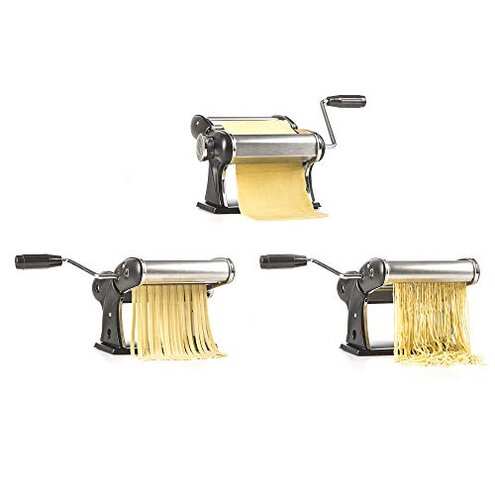
- Expectation: Reasonable for this category is that a mid-range pasta machine produces even sheets with minimal setup.
- Reality: This model often needs repeated passes, re-clamping, or adjustments to achieve acceptable sheets.
- Expectation: Users expect cutters to slice cleanly without constant cleaning between batches.
- Reality: Cutters here can jam and require frequent cleaning, which interrupts cooking flow.
Safer alternatives
- Choose a model with a wider clamp base to neutralize the slipping and stability failures.
- Prefer machines with sealed rollers or removable cutters to reduce sticking and cleaning time.
- Look for heavier-base units or bolted mounts if you plan long rolling sessions to avoid re-clamping.
- Consider a slightly higher-priced mid-range machine that advertises easier maintenance and alignment.
The bottom line
Main regret: Frequent sheet sticking and clamp instability are the key triggers that cause wasted dough and added prep time.
Severity: These problems exceed normal category risk because the unit requires more frequent tweaks and maintenance than typical mid-range machines.
Verdict: Avoid this PL8 model if you need dependable, low-fuss pasta sheets; consider sturdier mid-range alternatives or plan to add fixes and upkeep.
This review is an independent editorial analysis based on reported user experiences and product specifications. NegReview.com does not sell products.