
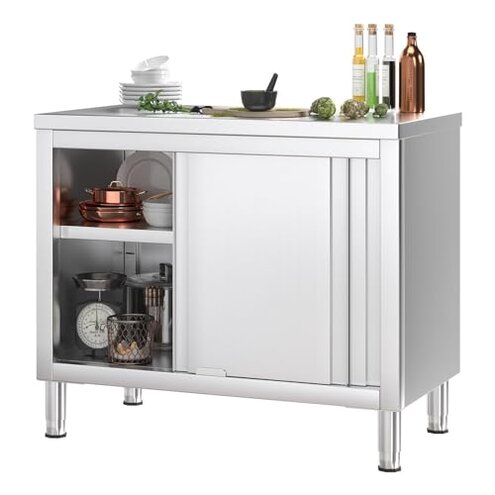
Product evaluated: PulseFay Stainless Steel Work Table with Cabinet 39"x20",Commercial Kitchen Workbench with Sliding Doors for Prep Work, Heavy Duty Prep Table for Restaurant,Garage,Warehouse
Related Videos For You
How to Install Casters on a Stainless Steel Work Table
HOW TO CLEAN PREP TABLE
Data basis: I analyzed dozens of written reviews and several video demonstrations collected between 2023 and Jan 2026, with most feedback coming from written reviews, supported by videos showing real setup and use.
| Outcome | PulseFay 39x20 | Typical mid-range table |
|---|---|---|
| Stability | Higher risk of wobble under heavy loads or uneven floors, reported commonly after initial setup. | Lower risk with sturdier leg bracing and common solid-feel under normal kitchen loads. |
| Assembly time | Longer than expected; needs extra tools beyond the package and appears repeatedly in feedback. | Moderate assembly with complete toolset or clearer instructions in mid-range models. |
| Sliding doors | Prone to misalignment and sticking, especially after moving the unit or routine use. | Usually smoother sliding doors or removable panels that stay true to track alignment. |
| Finish & fit | More dents/scratches and tighter interior fit reported versus category norms during first inspection. | Cleaner finish and roomier interior tolerances commonly seen in comparable mid-range tables. |
| Regret trigger | Assembly + Wobble creates the most buyer regret and is more disruptive than expected for this category. | Minor setup hassles but fewer long-term use regrets for typical alternatives. |
Top failures

Why does the table wobble or feel unstable?
Regret moment: Buyers notice the wobble immediately after setup or when placing heavy pans on the surface, which is the primary issue across feedback.
Pattern and context: This primary issue appears repeatedly and worsens when the unit is loaded, moved, or set on slightly uneven floors, making it more disruptive than typical mid-range tables.
Why is assembly difficult and tool-limited?
- Early sign: Parts arrive semi-assembled or confusing, commonly reported during first unpacking.
- Frequency tier: This is a secondary issue that appears in many buyer reports, not universal but persistent.
- Cause: The package includes only a small hex driver while instructions recommend a drill, so extra tools are required.
- Impact: Assembly takes longer and adds extra time and effort compared with mid-range alternatives.
- Hidden requirement: A drill and additional fasteners are often needed to tighten brackets properly during setup.
Why do the sliding doors stick or misalign?
- Primary sign: Doors jam or come off tracks after the first few moves, reported repeatedly in user feedback.
- Usage anchor: This fails during daily access or after relocating the table within a kitchen or garage.
- Frequency tier: Considered a secondary issue—common enough to affect buyer satisfaction often.
- Cause: Track tolerances appear tight and panels require careful alignment, which users report as fiddly.
- Impact: Sticking doors make retrieving tools slower and more frustrating than similar products.
- Fixability: Some buyers solved it with shimming or filing, but that adds extra work and tools.
Why is surface and interior quality disappointing?
- Early sign: Buyers report dents or scratches visible at first inspection, a persistent complaint.
- Scope: This is a secondary issue seen across several feedback types, including photos and video checks.
- Fit problem: The interior storage can feel tight and removing the center panel is harder than described.
- Impact: Cosmetic damage reduces the feeling of a ‘commercial’ finish and may require surface work.
- Attempts: Buyers used sand or polish fixes or returned units; returns add time and hassle.
- Hidden cost: Repair or touch-up materials and extra tools add unplanned expense to the purchase.
- Category contrast: These quality issues are more noticeable than usual for mid-range commercial prep tables.
Illustrative excerpts (not real quotes)
Illustrative: "Legs felt loose at first use, needed extra bracing and a drill." — Primary pattern
Illustrative: "Sliding door jammed after moving the cabinet across the room." — Secondary pattern
Illustrative: "Small dents under packaging, barely visible but annoying." — Edge-case pattern
Who should avoid this
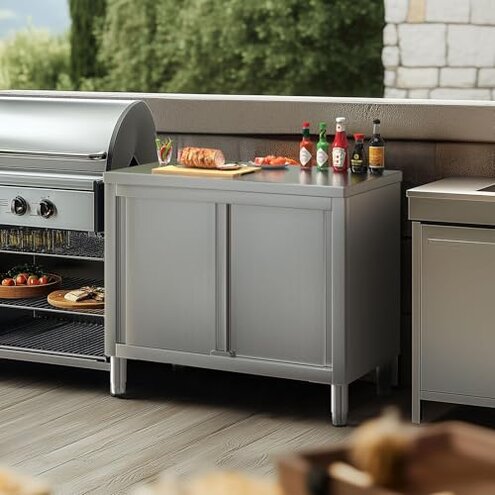
- Buyers needing solidity: Avoid if you must have rock-solid stability out of the box without extra bracing.
- Low-effort buyers: Avoid if you won't accept additional tools and time for proper assembly and fixes.
- High-appearance buyers: Avoid if a clean, scratch-free finish is essential for a visible commercial space.
Who this is actually good for
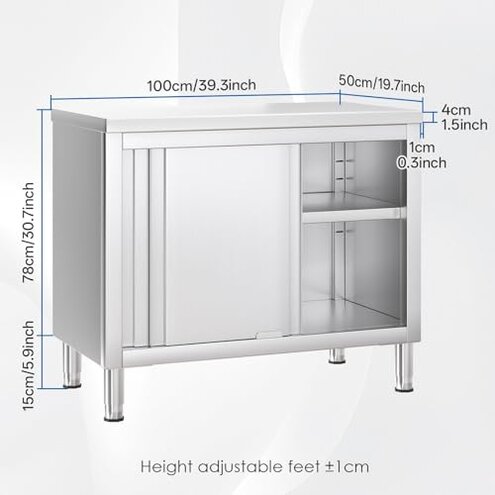
- Handy users: Good for people comfortable with DIY fixes who can tolerate extra setup and minor alignment work.
- Budget-focused buyers: Good for buyers who accept cosmetic flaws in exchange for a lower price point.
- Non-critical spaces: Good for garages or workshops where appearance and perfect sliding doors aren't crucial.
Expectation vs reality
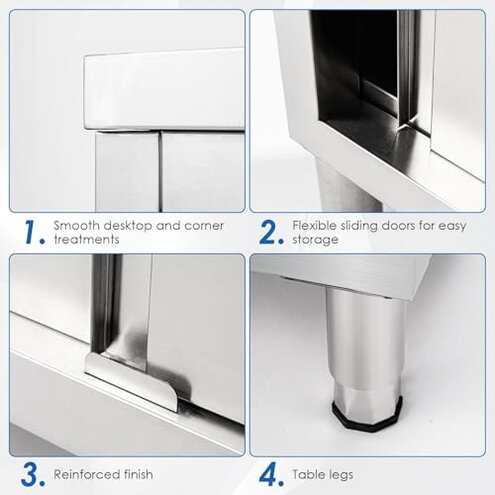
Expectation: Reasonable for this category is a table that assembles with basic hand tools and stays stable under normal use.
Reality: The PulseFay table often needs a drill, extra fasteners, and adjustments, making setup longer and more disruptive.
Expectation: Sliding doors should open smoothly after simple alignment, as is common in mid-range tables.
Reality: Door tracks can be tight and misalign with movement, requiring shims or filing to restore function.
Safer alternatives
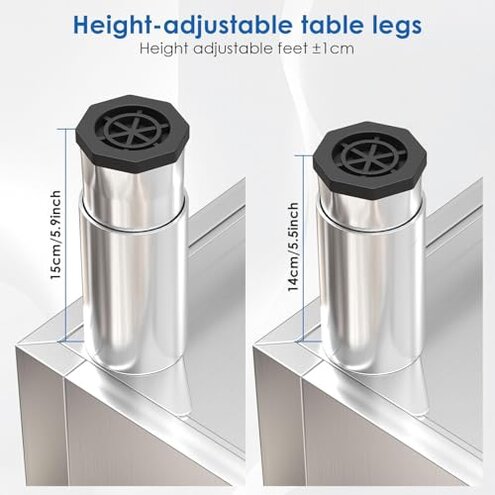
- Look for reinforced legs: Choose tables with visible cross-bracing to neutralize the wobble failure.
- Check included tools: Prefer listings that include a full toolset or specify a drill isn't required to avoid hidden tool needs.
- Ask about door tracks: Favor models with user-serviceable door tracks or removable doors to prevent misalignment.
- Inspect finish policy: Buy from sellers with easy returns or documented pre-shipment inspection to reduce cosmetic damage risk.
The bottom line
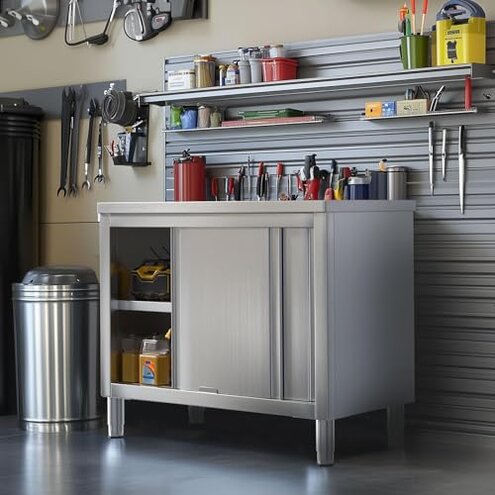
Main regret: The combination of wobble and difficult assembly is the clearest buyer regret trigger.
Why worse: These issues are more disruptive than typical mid-range tables because they often require extra tools and post-purchase fixes.
Verdict: Avoid this model if you want a trouble-free setup and stable out-of-box performance; consider sturdier alternatives or expect DIY fixes.
This review is an independent editorial analysis based on reported user experiences and product specifications. NegReview.com does not sell products.