
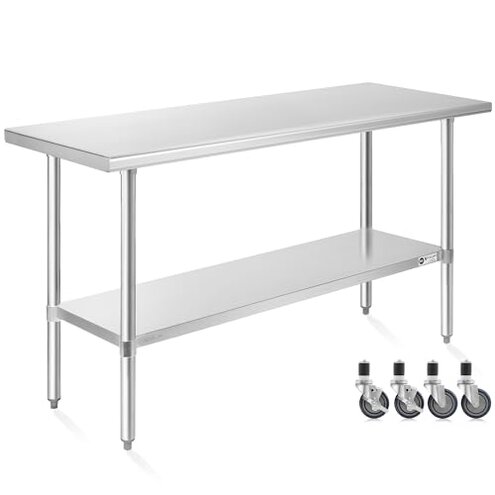
Product evaluated: KUTLER Stainless Steel Table 24 x 60 Inches with Caster Wheels, NSF Heavy Duty Commercial Prep and Work Table with Undershelf for Restaurant, Hotel, Home
Related Videos For You
How to Install Casters on a Stainless Steel Work Table
HOW TO CLEAN PREP TABLE
Data basis: This report used feedback from dozens of written reviews and several video demonstrations collected between Jan 2024 and Jan 2026. Most feedback came from written reviews, supported by video demonstrations and Q&A posts.
| Outcome | KUTLER 24 x 60" Table | Typical Mid-range Table |
|---|---|---|
| Stability | Wobble reported: multiple buyers saw side-to-side wobble under heavy prep loads. | Usually stable: most mid-range tables stay level under daily kitchen use. |
| Finish / Corrosion | Higher risk: finish imperfections and early surface wear appear more often than expected. | Lower risk: comparable tables often have better corrosion resistance at this price. |
| Assembly & Hardware | Hidden steps: buyers reported extra tightening and missing small hardware fasteners occasionally. | Simpler setup: mid-range alternatives typically include clearer hardware and instructions. |
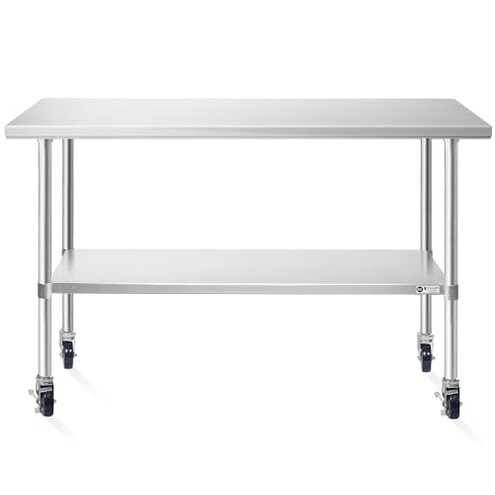
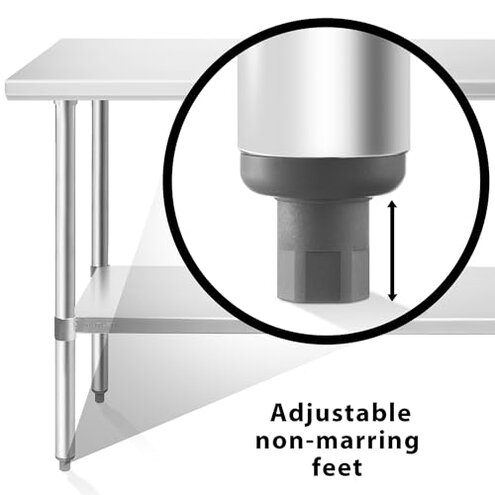
| Mobility (casters/feet) | Mixed quality: casters and feet sometimes fail to lock or sit level on uneven floors. | More reliable: many rivals provide sturdier casters or leveling feet out of box. |
| Regret trigger | Primary: wobble under load that affects daily prep speed and safety. | Primary: minor inconvenience like extra adjustment, not safety-related wobble. |
Why does this table feel shaky during real use?
Regret moment: Many buyers report the table wobbles when pushing or chopping heavy items.
Pattern: This is a primary issue and appears repeatedly across written feedback and video checks.
Usage anchor: The wobble shows up during first use when fully loaded and worsens with repeated heavy daily prep.
Category contrast: This is more disruptive than expected because typical mid-range prep tables stay planted during normal kitchen tasks.
Are the casters, feet, and mobility reliable?
- Early sign: casters arrive with stiff wheels or uneven rotation.
- Frequency: this is a secondary issue seen across several buyer reports.
- When it appears: problems show up at setup or after moving the table a few times.
- Impact: locking casters may not hold, causing the table to shift during prep tasks.
- Workaround: buyers often replace casters or tighten hardware to regain stability.
Will the surface and finish hold up to kitchen use?
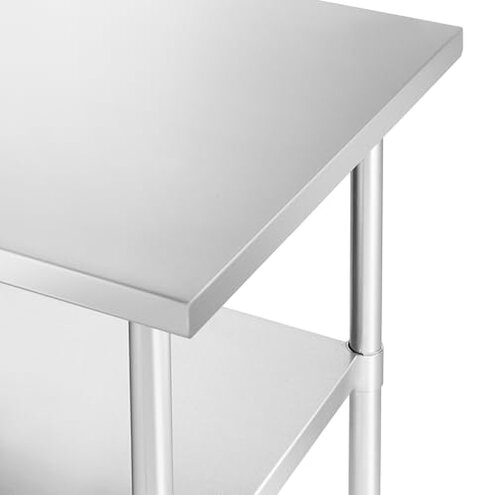
- Surface issue: buyers report scratches and dulling sooner than expected.
- Corrosion signs: light rust spots and discoloration appear in some reports after routine use.
- Pattern: this is a secondary but persistent pattern across written feedback.
- When it shows: issues arise after repeated daily use and exposure to wet items.
- Why worse: more upkeep is required than most mid-range tables to avoid visible wear.
- Fix attempts: buyers clean frequently and apply protectants, which adds time and effort.
- Hidden cost: some needed to replace the top or pay for professional refinishing to restore a clean surface.
Does the undershelf and assembly create surprises?
- Assembly shock: several buyers encountered missing or loose hardware at unboxing.
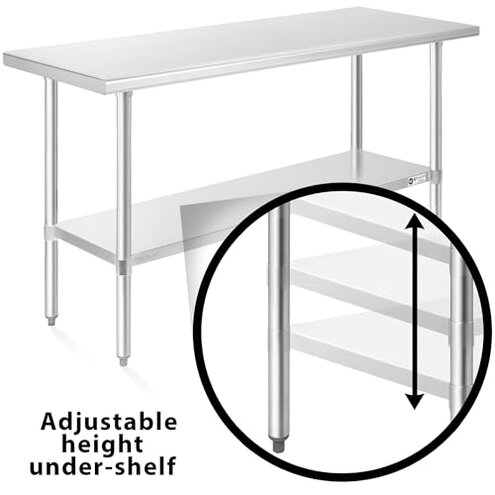
- Early sign: undershelf bolts arrive misaligned and require extra force to fit.
- Frequency tier: this is a secondary issue that appears across multiple written reports.
- When it worsens: the shelf sags after months of storing heavy bins.
- Cause: bracket tolerances and thin fasteners create play under load.
- Impact: sagging reduces usable storage and makes items harder to access quickly.
- Attempts: buyers added extra braces or replaced bolts to restore a rigid shelf.
- Hidden requirement: fixes often need additional tools and hardware not included with the table.
Illustrative excerpts (not real quotes)
- "Table wobbles when I chop heavy vegetables." — reflects a primary pattern.
- "Casters won't lock on my tile floor." — reflects a secondary pattern.
- "Found rust spots after two months of use." — reflects a secondary pattern.
- "Undershelf needed extra bolts I had to buy." — reflects an edge-case pattern.
Who should avoid this
- Commercial kitchens: avoid if you need consistent stability during long, heavy prep shifts.
- Mobile setups: avoid if you frequently move the table and need reliable casters out of the box.
- Low-maintenance buyers: avoid if you expect a rust-free finish without regular care.
Who this is actually good for
- Budget-conscious users: good if you accept extra tweaks to save on price.
- Light-use home cooks: fine if daily loads are light and you can perform basic maintenance.
- DIY modifiers: suitable if you plan to upgrade casters or add braces to improve rigidity.
Expectation vs reality
Expectation: A mid-range prep table should be stable under normal use.
Reality: This table can show noticeable wobble when loaded, which slows prep and feels less safe.
Expectation: Steel surfaces in this category are resistant to early wear.
Reality: Buyers report faster surface wear and occasional rust that demand extra cleaning and protection.
Safer alternatives
- Prioritize weight capacity: choose tables with higher-rated legs to neutralize the wobble risk.
- Check caster specs: select models with proven locking casters to avoid mobility failures.
- Inspect finish ratings: prefer tables with clearer corrosion resistance claims for wet environments.
- Ask about hardware: confirm included fasteners and tools to avoid the hidden assembly requirement.
The bottom line
Main regret: The primary trigger is stability wobble under everyday loads that many buyers reported.
Why it matters: This exceeds normal category risk because it affects prep speed, safety, and requires extra fixes or parts.
Verdict: Avoid this table if you need reliable out-of-box stability and low upkeep; consider alternatives or plan upgrades if buying.
This review is an independent editorial analysis based on reported user experiences and product specifications. NegReview.com does not sell products.